
How to Grow Campanula (Canterbury Bells)
If you’ve ever wondered how to grow and harvest Campanula (canterbury bells), or thought it wasn’t possible in a warm climate, I’m here to tell you it is, especially if you choose the right varieties and plant at the right time. Growing Campanula in Arizona has become one of my favorite ways to add beauty to the garden in early spring.
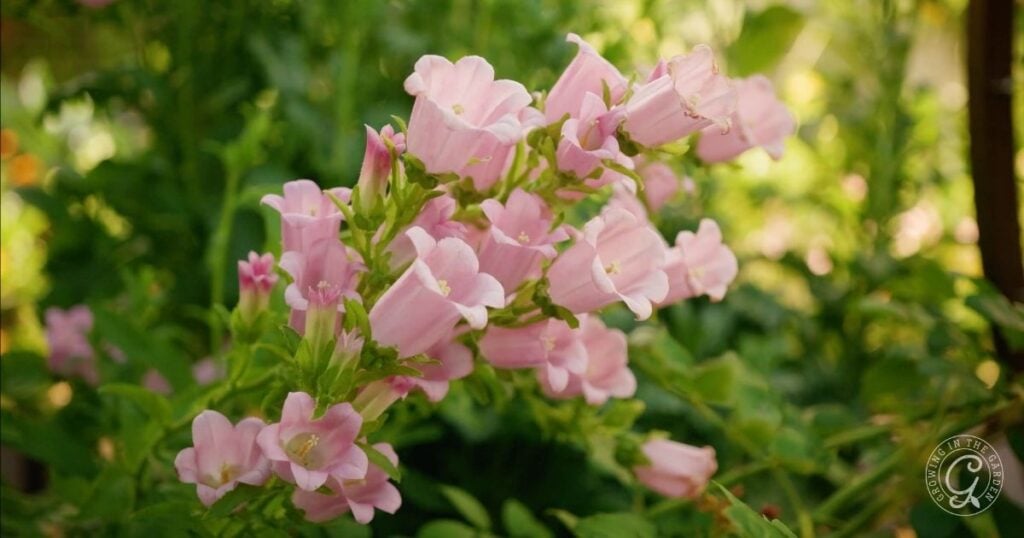
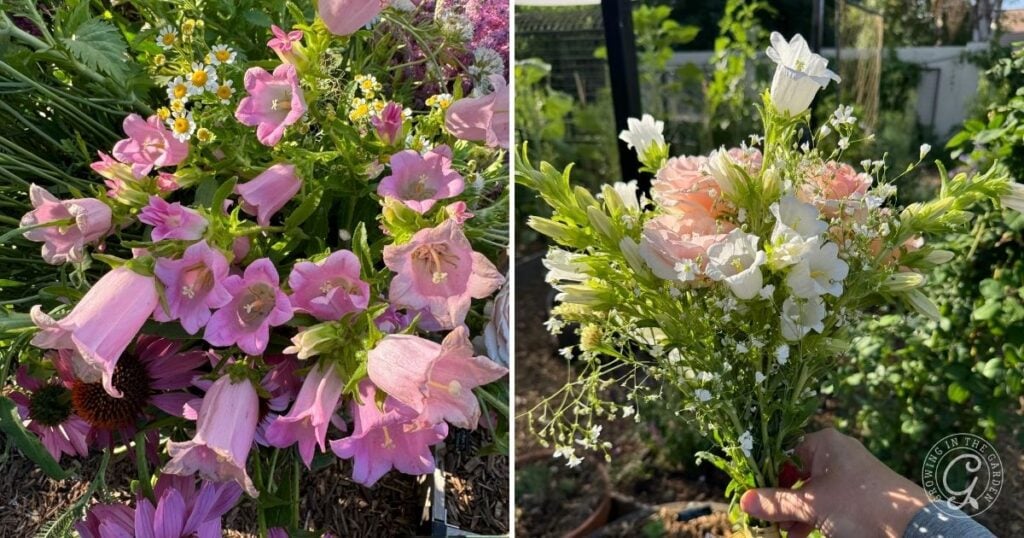
Campanula, also known as Canterbury bells or bellflower, is one of those cool-season flowers that always gets people’s attention. The tall, delicate blooms are striking in the garden and in bouquets. Every spring, when I share photos or give a bunch to a friend, I usually get a text later: “What are those flowers?”
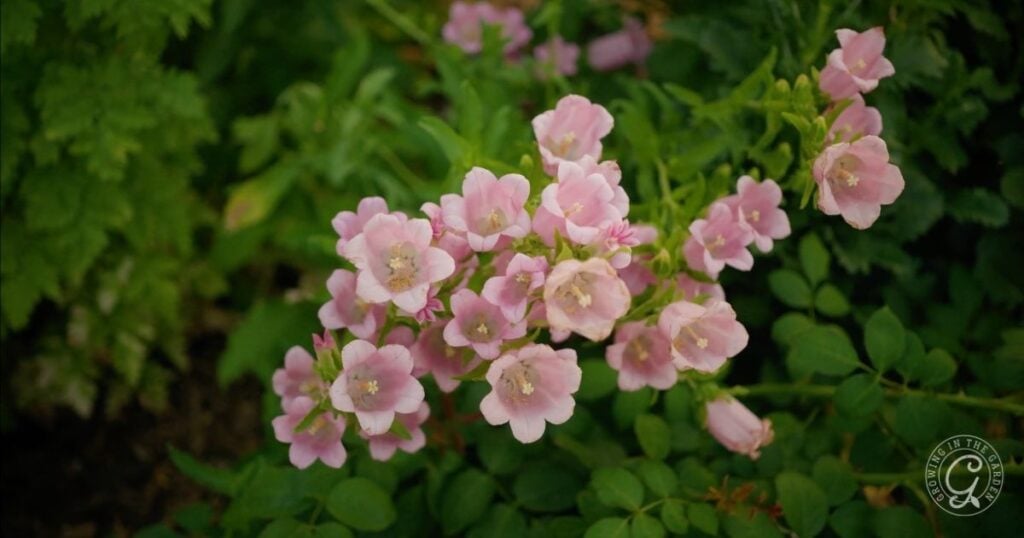
In this post, I’ll walk you through everything you need to know to grow Campanula successfully as a cool-season hardy annual flower.
What We’ll Cover:
- Why I Love Growing Campanula
- Is Campanula a Perennial or Annual?
- Best Varieties of Campanula for Cut Flowers
- How to Grow Campanula from Seed
- When and Where to Plant Campanula
- Spacing, Support, and Fertilizer
- Harvesting and Vase Life
- Quick Facts About Campanula
- Campanula FAQ (Canterbury Bells)

Why I Love Growing Campanula
Campanula doesn’t look like something you’d expect to grow in a home garden—especially not in the desert. But when you get the timing right, the results are truly spectacular. Each flower is beautiful up close, and the tall spires add elegance to both garden beds and mixed bouquets.
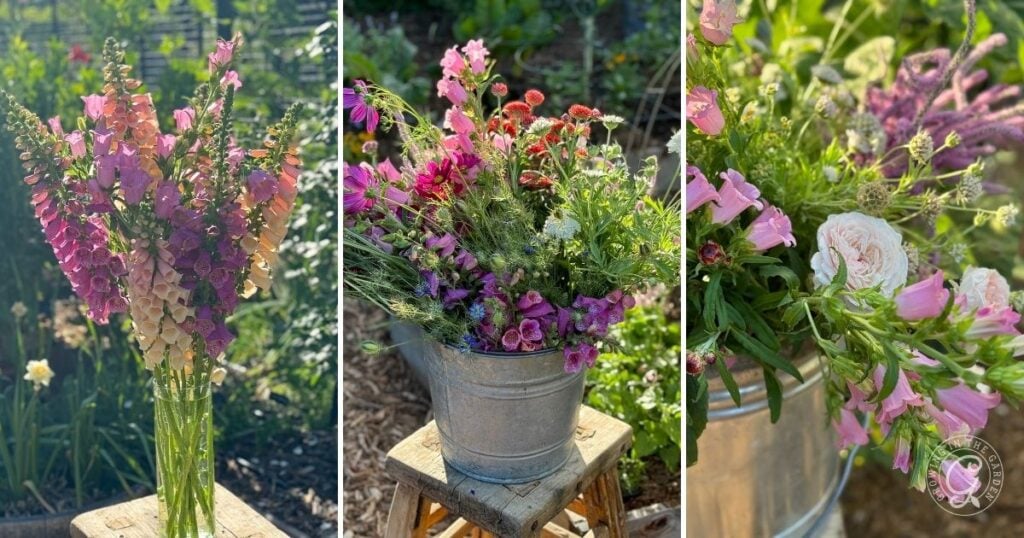
Pollinators love them, too. After a rain, the open bells often hold tiny pools of water that bees and beneficial insects take full advantage of. And in the vase? Campanula holds up well, often lasting 7 to 14 days.
They pair beautifully with other cool-season favorites like those in my post How to Grow Foxgloves, Scabiosa: How to Grow Pincushion Flowers, and How to Grow Tall Snapdragons for Cut Flowers.
Is Campanula Perennial or Annual?
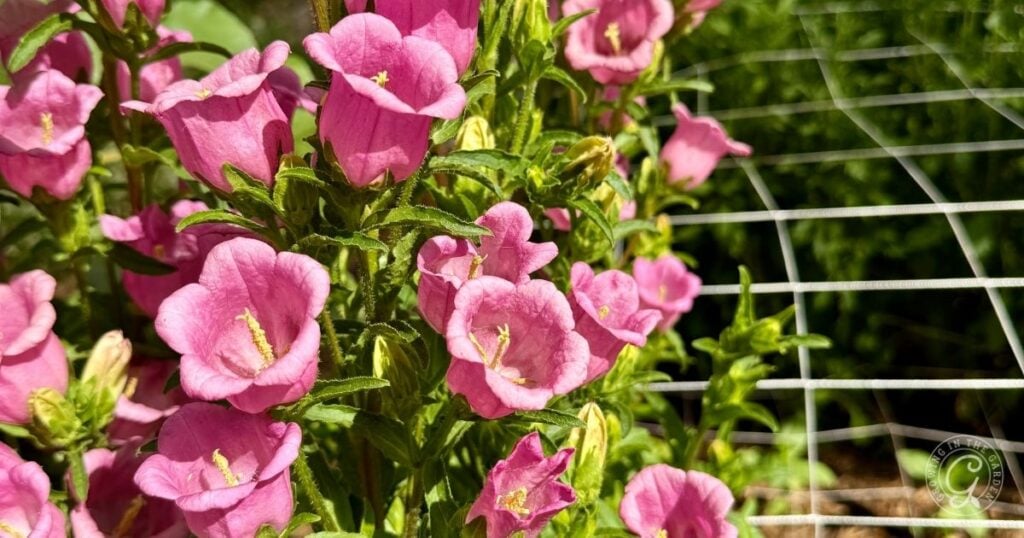
Is Campanula a perennial or an annual? It depends on the variety and where you garden. In cooler climates, many types of Campanula are perennials. But in warm zones, particularly the low desert, I grow specific varieties (like the Champion series) bred to bloom in their first year. I treat them as cool-season hardy annuals.
To learn more about growing these types of flowers, read Cool-Season Hardy Annual Flowers: Plan Ahead For Spring Blooms.
Best Varieties of Campanula for Cut Flowers
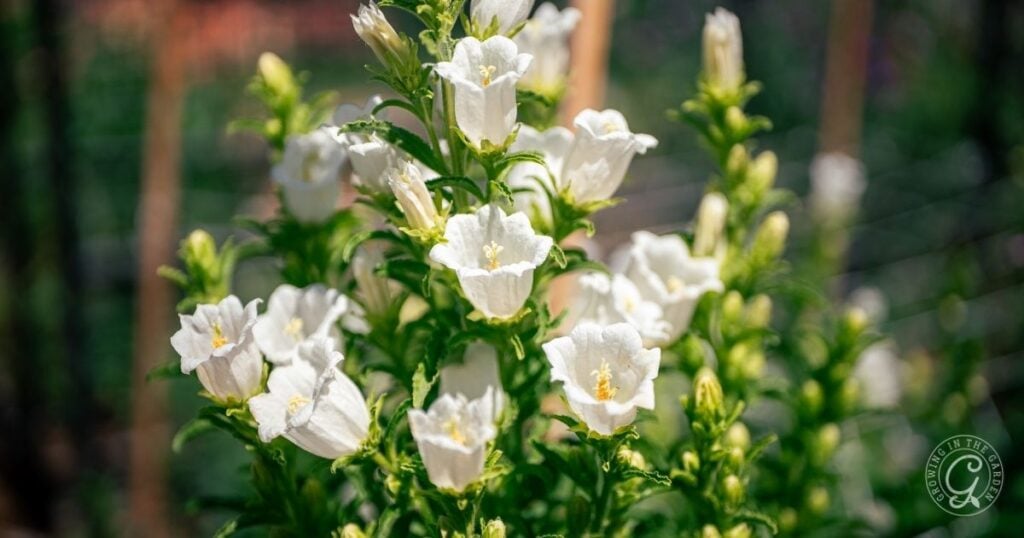
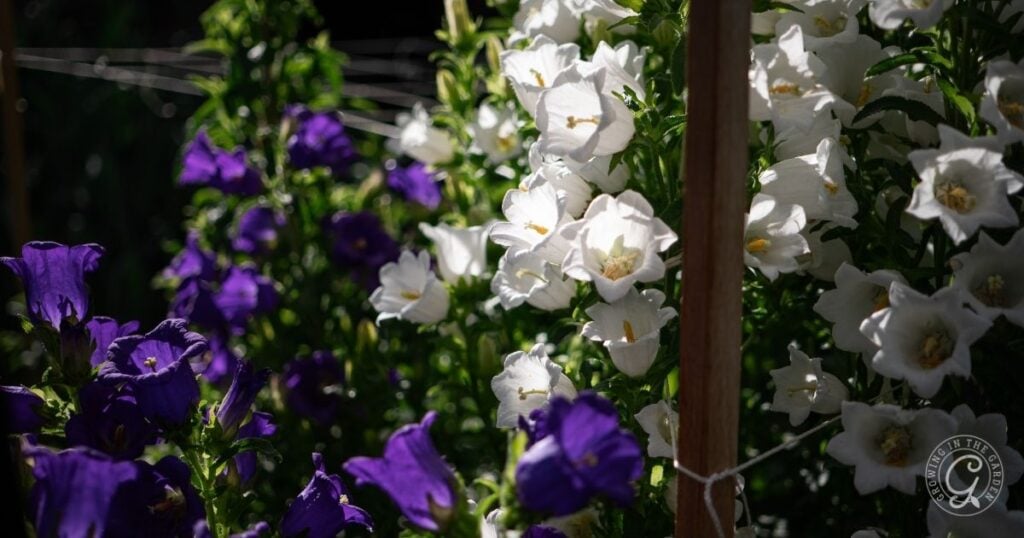
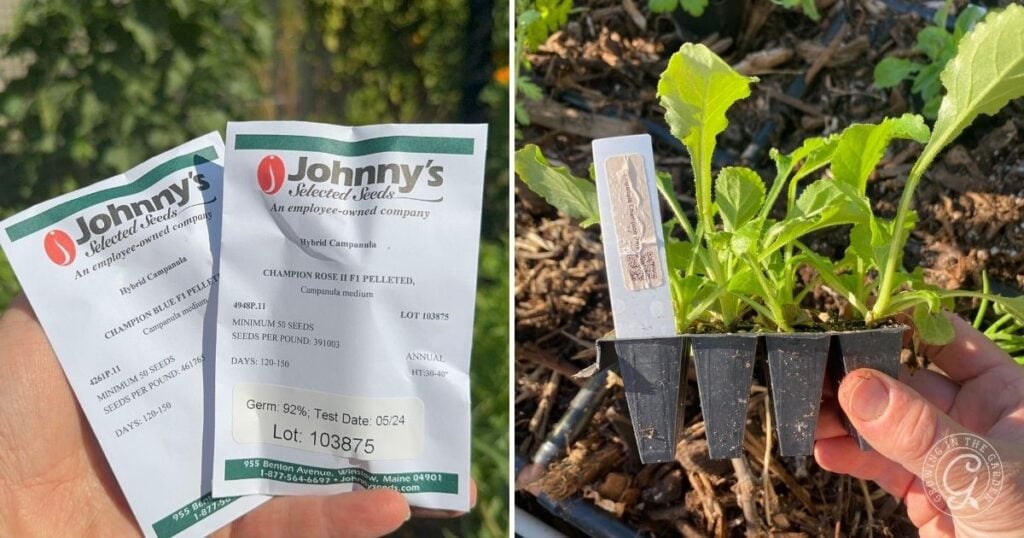
The Champion series is my favorite for cut flowers. ‘Champion’, ‘Champion II’, and ‘Champion Pro’ all perform well. ‘Champion Pro’ grows slightly smaller flowers but offers more stems per plant and blooms in lavender, white, pink, and deep blue.
How to Grow Campanula from Seed
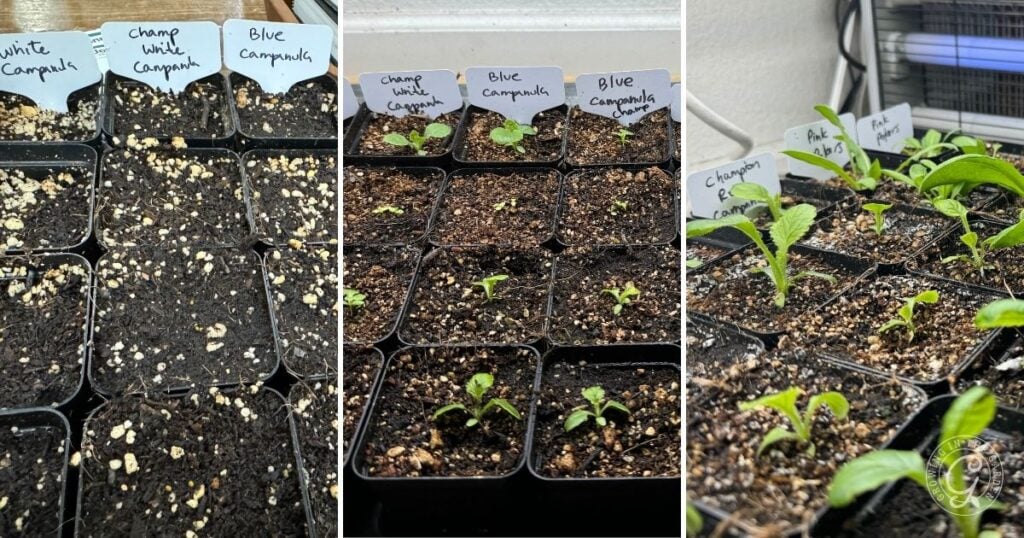
I start Campanula seeds indoors in August or September so the seedlings are ready to transplant in fall. Here’s what you need to know about how to grow campanula from seed:
- Sow seeds on the surface of the soil—they need light to germinate.
- Soil temperature for germination: 65–68°F (18–20°C)
- Germination time: 14 to 21 days
- Transplant when seedlings are 3 to 5 inches (7.5 to 13 cm) tall
- Keep seedlings cool: Below 72°F (22°C) at night and 82°F (28°C) during the day to prevent rosetting
Tip: Campanula can be finicky to start from seed. Ordering plugs from a reputable grower is a great option, especially if you’re short on time or space.
Need help starting seeds indoors? Check out How to Start Seeds Indoors.
When and Where to Plant Campanula
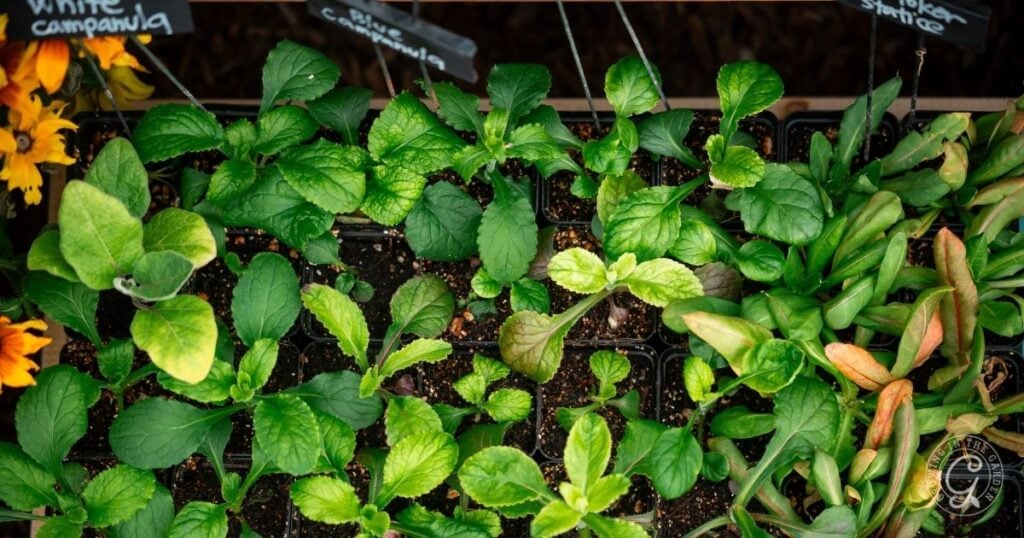
In warm climates, transplant outdoors in October or November. Campanula prefers full sun to part shade and grows best in well-drained soil with consistent moisture.
Knowing when to plant Canterbury bells is crucial. Fall planting gives the plants time to grow foliage during short, cool days. As days lengthen but stay cool, the plants begin to bloom, perfect timing for a beautiful spring show.
Find seasonal planting dates in the Flower Planting Guide available in my shop.
Campanula Spacing, Support, and Fertilizer
- Spacing: 4–6 inches (10–15 cm) apart for single stems; 9 inches (23 cm) if pinching or cutting low for additional side shoots.
- Support: These top-heavy blooms need flower support. Use plant support netting or decorative support rings. Learn more about using plant support netting in this guide.
- Fertilizer: Apply a flower fertilizer in early spring when new growth appears
I don’t usually pinch Campanula. Instead, I make a deep first cut on the center stem, which encourages multiple usable side shoots.
Campanula Harvesting and Vase Life
Harvest when the first two or three bells on a stem open. Cut low, just above the first set of side shoots, and strip the lower leaves from the stem.
Campanula is ethylene-sensitive, so using flower food and conditioning properly helps extend vase life to 7 to 14 days.
If you’re looking for inspiration, browse Quick and Easy Flower Arrangements from the Garden.
Quick Facts About Campanula
- Type: Cool-season hardy annual in warm zones
- Height: 24–48 inches (60–120 cm)
- Days to Bloom: 120–140 from transplant
- Sun: Full sun to part shade
- Water: Consistent moisture
- Bloom Colors: Lavender, pink, white, deep blue
- Attracts: Bees and pollinators
Campanula FAQ (Canterbury Bells)
1. Is Campanula a perennial or an annual?
Campanula can be either a perennial or a hardy annual, depending on the variety and climate. In warm climates like the low desert, it’s usually grown as a cool-season hardy annual.
2. When should I plant Campanula in warm climates like Arizona?
In warm regions, transplant Campanula outdoors in October or November. This gives it time to establish before blooming in spring.
3. Can I grow Campanula from seed?
Yes, but Campanula seeds require light to germinate and cool conditions to prevent rosetting. Start indoors 10–12 weeks before your first fall frost, or order plugs for easier success.
4. Why isn’t my Campanula blooming?
Campanula may fail to bloom if exposed to too much heat early on or if planted too late. It requires a cool period of growth before blooming in spring.
5. What are the best Campanula varieties for cut flowers?
The Champion series (‘Champion’, ‘Champion II’, and ‘Champion Pro’) are top choices for cut flowers due to their strong stems and long-lasting blooms.
6. How do I keep Campanula upright in the garden?
Use flower support netting or support rings to hold up the tall, top-heavy stems and prevent bending or breakage.
7. How long does Campanula last in a vase?
With proper harvesting and conditioning, Campanula can last 7 to 14 days in a vase. Use flower food and avoid ethylene exposure to extend vase life.
Final Thoughts
Campanula is one of my favorite cool-season flowers to grow. When you start early and give it the right conditions, it rewards you with tall, beautiful blooms that bring joy in the garden and in the vase.
More Resources on Cool-Season Flowers
Looking to expand your cool-season flower garden? These posts will help you choose and grow the right flowers for your space and season:
10 Cool-Season Flowers That Love Mild Winters — A list of reliable performers for warmer winter climates.
Cool-Season Flowers to Plant from Seed — A helpful guide if you are starting flowers from seed.
10 Easy-to-Grow Cool-Season Companion Plants — Learn which flowers support pollinators and vegetables in the garden.

Leave a comment on How to Grow Campanula (Canterbury Bells)