
How to Grow Arroyo Lupine: A Southwest Native Wildflower
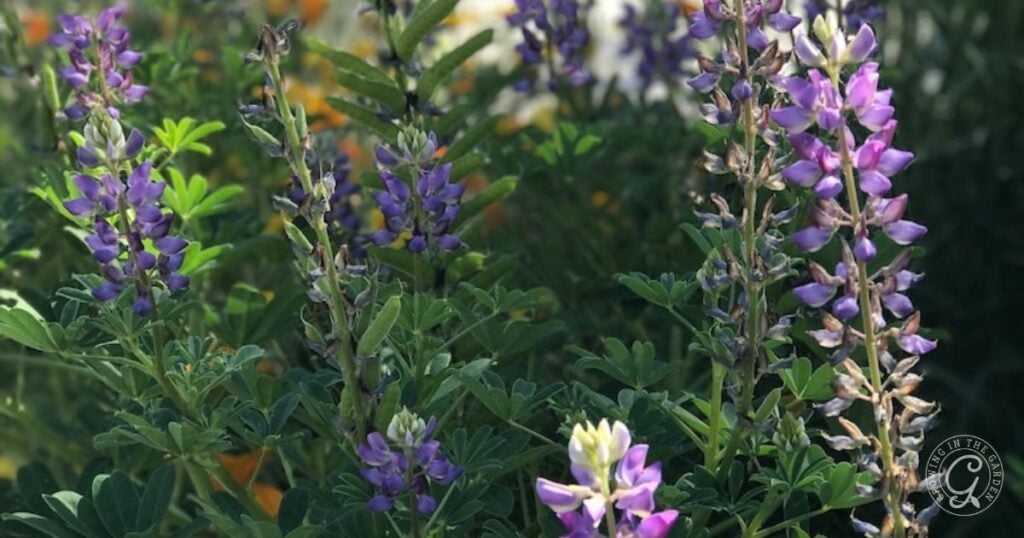
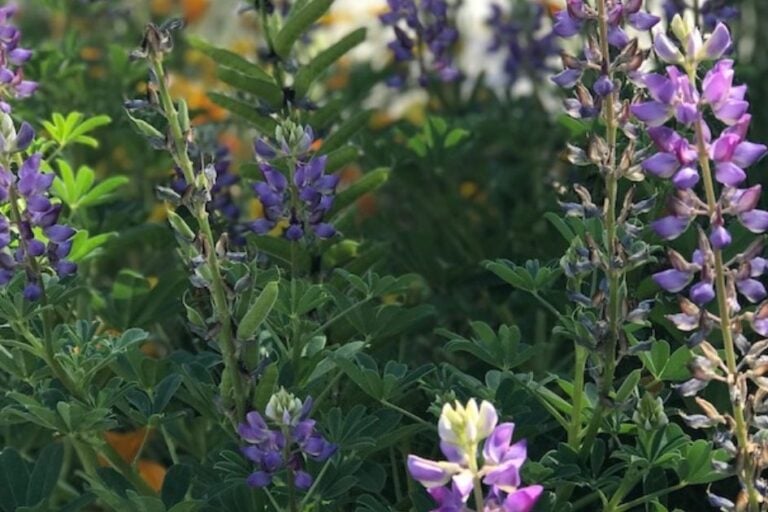
Arroyo Lupine (Lupinus succulentus) is a native wildflower that adds vibrant spring color and brings pollinators flocking to the garden. I first grew it from a wildflower mix and was hooked. The blooms were stunning, and bees and butterflies showed up because they also love it. It quickly earned a spot as one of my favorite wildflowers. In this post, I’ll share everything I’ve learned about how to grow Arroyo Lupine and how to plant arroyo lupin from seed so you can grow it too.
What We Will Cover
What is Arroyo Lupine?
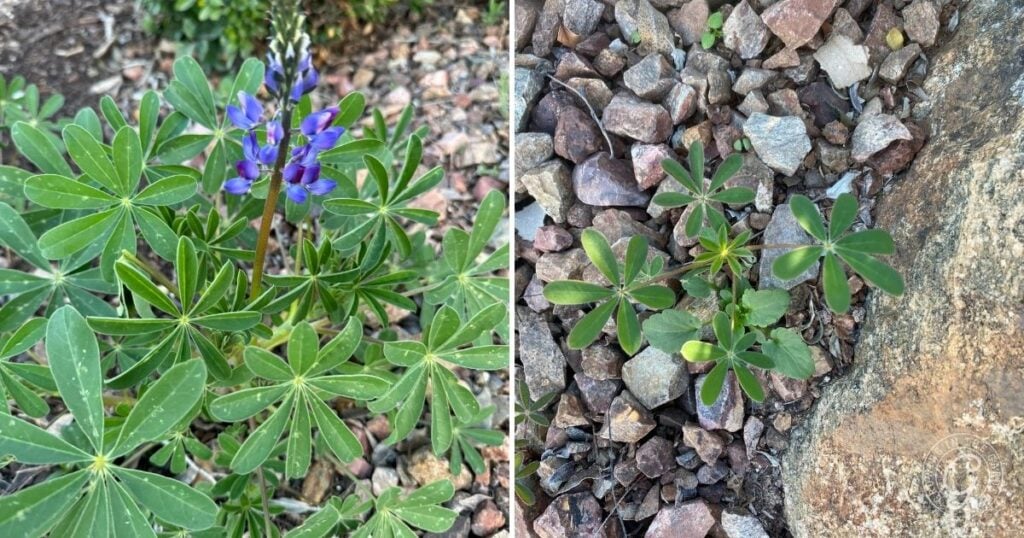
This cool-season annual wildflower grows naturally in the Sonoran Desert uplands and across much of California. It thrives in open spaces like roadsides, hillsides, flats, and canyons. The genus Lupinus includes more than 650 species, with many found throughout North and South America. Arizona is home to 26 species of lupine, including several adapted to lower elevation gardens.
The name Lupinus comes from the Latin word for wolf, based on the old belief that lupines stole nutrients from the soil. In reality, they enrich it. Lupines work with beneficial fungi to pull nitrogen from the air into the soil, improving soil biology and helping nearby plants grow better.
Lupines are also important nectar sources for native bees and other pollinators. They serve as host plants for butterfly and moth larvae, making them a valuable addition to any insectary border or pollinator garden.
It does seem a little harder to get established at first, but once it finds a spot it likes, it drops plenty of seeds and comes back year after year.
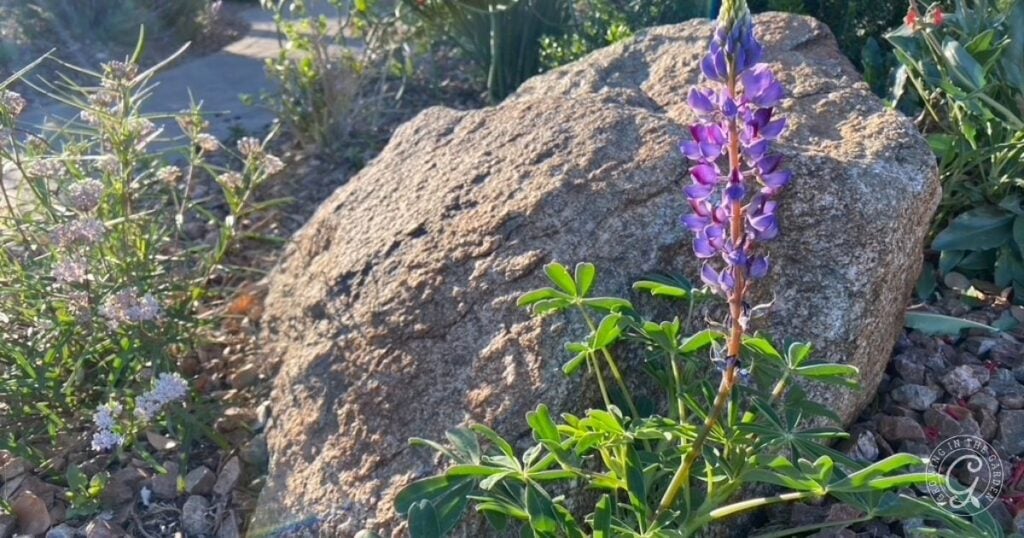
How to Grow Arroyo Lupine
- Planting time: Sow seeds between October and November. Earlier plantings tend to grow larger and bloom more before heat arrives.
- Light: Full sun is best.
- Soil: Lupine tolerates poor soil. Moisture during germination and early growth helps with growing Arroyo Lupine in Arizona, but they are drought-tolerant once established.
- Watering: Water every 7-10 days during dry spells in the cool season. Plants bloom until the weather heats up or the soil dries out.
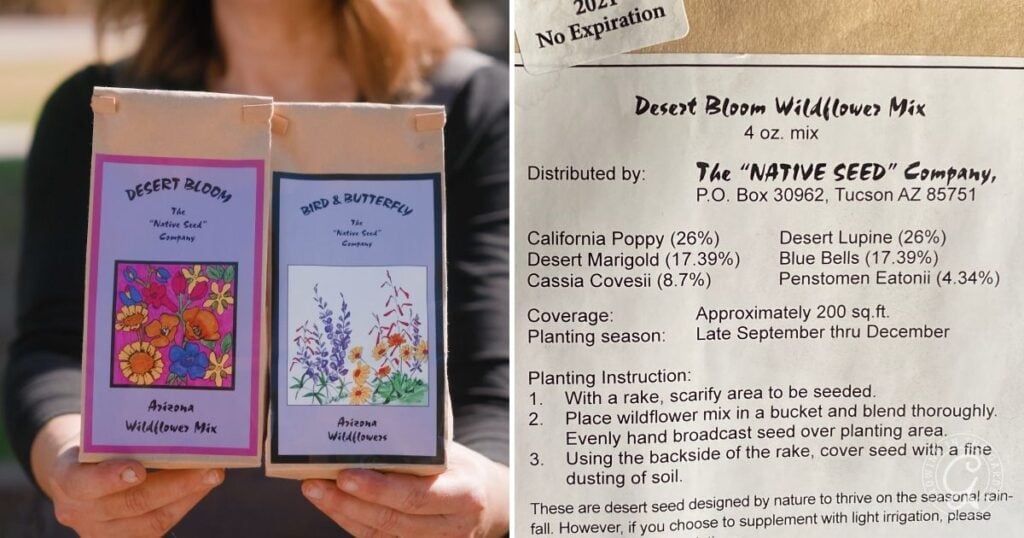
I grew Arroyo Lupine from a wildflower mix the first time, and I’ve loved it ever since. If you’re just getting started, here’s my guide on how to grow wildflowers for more tips.
How to Plant Arroyo Lupine from Seed
Arroyo Lupine grows best when direct-sown. Here’s how to prepare your planting area and give the seeds the best chance to thrive:
- Loosen the Soil
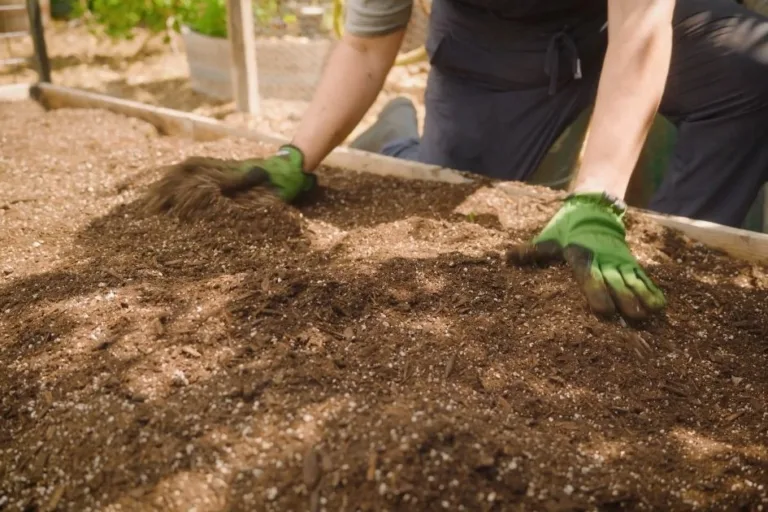
Start by loosening the top inch or so of soil with a shovel or rake. If your planting area is covered in decomposed granite or small gravel, pull the rocks aside and loosen the soil underneath. Good seed-to-soil contact is important for germination.
- Spread the Seeds
If you’re using a wildflower mix, it may already contain filler to help with distribution. If not, mix your seed with sand at a ratio of about 1 part seed to 5 parts sand. This helps you spread the seeds more evenly. You can scatter them by hand or use a hand-held broadcast spreader for larger spaces.

- Press the Soil
Once the seeds are down, gently compress them into the soil by walking over the area or using a seed roller. This ensures the seeds make contact with the soil but remain uncovered—wildflower seeds need light to germinate, so don’t cover them with soil.
- Moisten the Soil
If you moved rocks to prepare the soil, return them to their original position after planting. This can help with moisture retention. Keep the area lightly moist until seeds germinate, then water as needed while the plants establish.
Arroyo Lupine Care and Seed Saving Tips
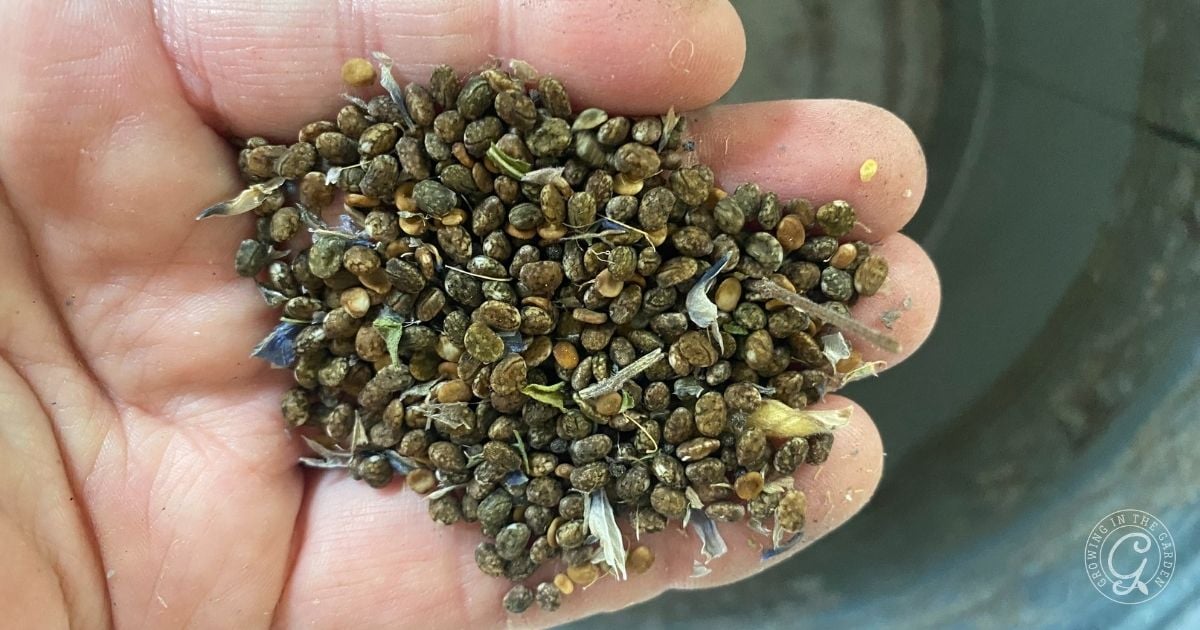
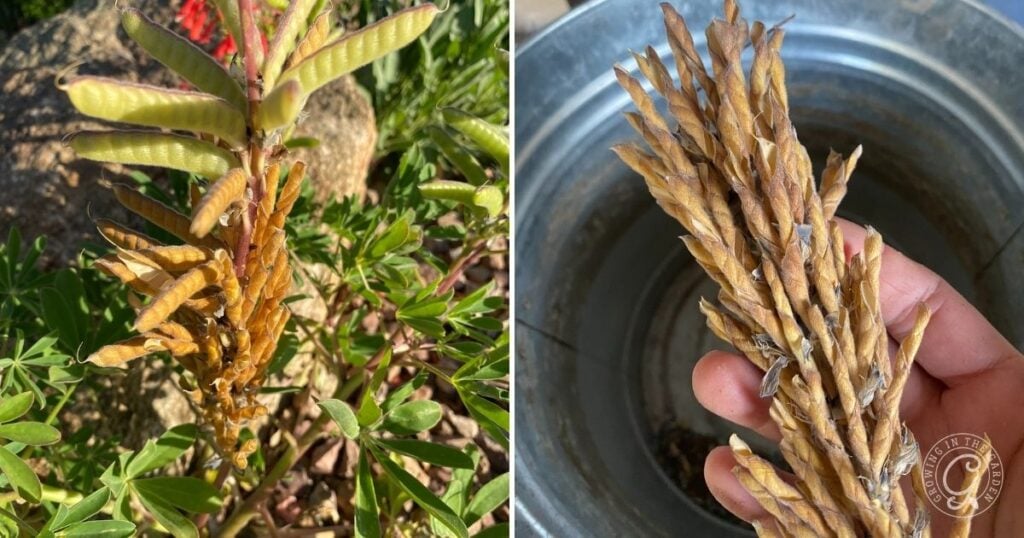
As Arroyo Lupine finishes blooming, allow the flowers to mature and form seed pods. When the weather begins to warm and the plants start to dry out, gently pull them up and shake them over the soil to release seeds. This helps the plants reseed naturally and return the following season.
To collect seeds for saving, let the pods dry and turn brown on the plant. Before they curl and split open, cut them off and place them in a bucket or paper sack. As the pods continue to dry, they will release their seeds. The seeds will settle at the bottom of the container. Once they are fully dry, store them in a cool, dry place. You can replant them in the fall or share them as thoughtful seed gifts with other gardeners.
Where to Use It
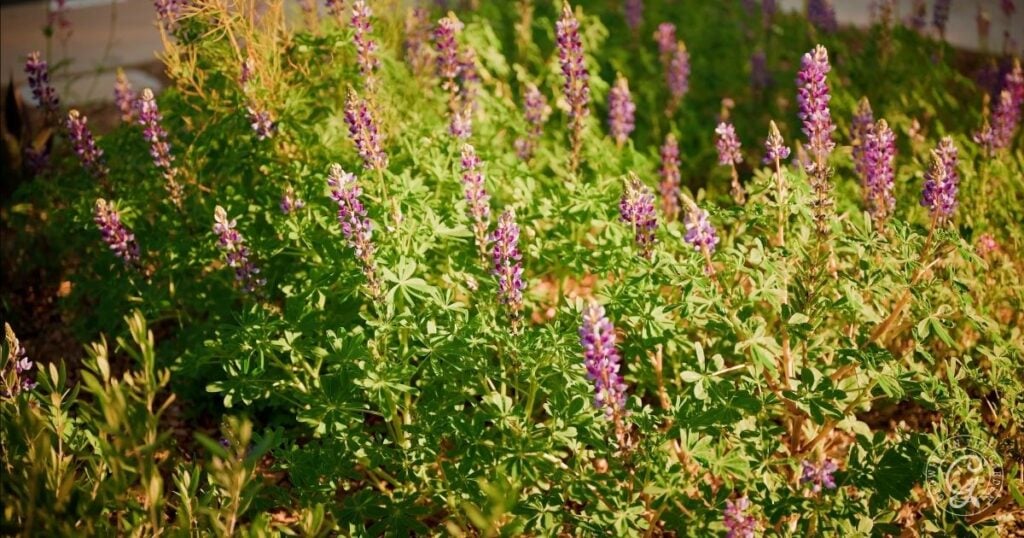
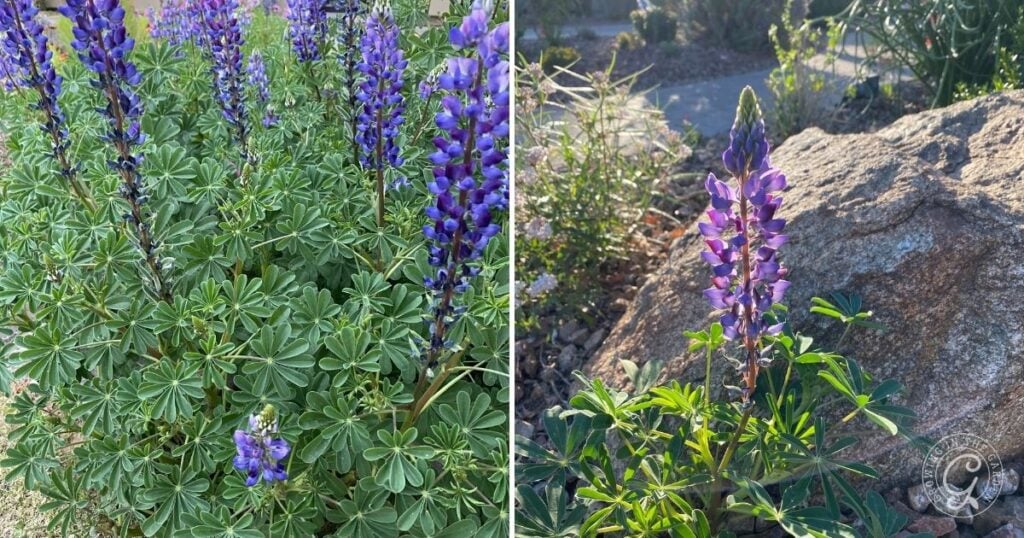
Arroyo Lupine looks beautiful in wildflower gardens, desert meadows, or naturalized areas. Pair it with other spring bloomers like California poppies, desert bluebells, or globe mallow. See more options in this visual guide to Arizona annual flowers. It grows well in areas where reseeding is welcome and is one of the easiest native lupines for Arizona gardens.
This low-maintenance native plant brings color, pollinators, and long-term benefits to the garden. Learn about more annual and perennial plants that attract pollinators to choose the right mix for your space. If you’re planting this fall or winter, make room for Arroyo Lupine.
FAQs about Growing Arroyo Lupine
The best time to sow seeds is between October and November. Planting earlier in the season allows more time for growth and flowering before summer heat.
Although Arroyo Lupine is an annual, it readily reseeds itself if allowed to drop seeds, so it can return year after year in the right conditions.
During germination and early growth, regular moisture helps establish the plant. Once mature, it’s drought-tolerant and only needs water every 7–10 days in dry spells.
Yes! It actually thrives in poor or sandy soils. It fixes nitrogen in the soil, improving conditions for other plants nearby.
Absolutely. It is a nectar source for native bees and butterflies and also serves as a host plant for butterfly and moth larvae.
It’s best grown in open, natural areas where it can reseed. However, you can try containers if they’re deep enough and placed in full sun.
Let the seed pods dry and turn brown on the plant. Before they curl open, clip them off and put in a bag or container. As they dry, they’ll naturally release seeds for storage or replanting.
Arroyo Lupine pairs beautifully with other native spring bloomers like California poppies, desert bluebells, and globe mallow.



Leave a comment on How to Grow Arroyo Lupine: A Southwest Native Wildflower