
How to Grow Zinnias in Heat: 5 Essential Tips
Zinnias have become one of the most important parts of my summer and fall garden. Every year, I dedicate more space to growing these beautiful, long-lasting flowers. They thrive in the heat, attract pollinators, and bring vibrant color to the garden—and the more you cut them, the more they bloom. If you’re looking for a flower that’s easy to grow and rewarding to harvest, zinnias are a great choice.
Whether you’re planting a cutting garden or just want to add a pop of color to your beds, here’s how to grow zinnias successfully—even in hot climates like mine.
What We’ll Cover:
- Choosing the best zinnia varieties
- When and how to plant zinnia seeds
- Zinnia care tips for healthy plants
- How to prune and harvest for more blooms
- Saving seeds for next season
- Frequently asked questions about growing zinnias

1. Start zinnia seeds indoors or in the garden
If you’ve tried nursery transplants and been disappointed, try growing zinnias from seed instead. Zinnias are easy to start from seed, and starting from seed gives you more control over the varieties you grow, whether you want tall stems for cutting or compact plants for borders.
Favorite Zinnia Varieties
Zinnias come in a wide range of shapes, sizes, and colors. Whether you’re filling vases or flower beds, here are some of my favorite types:
Tall varieties for cut flowers:
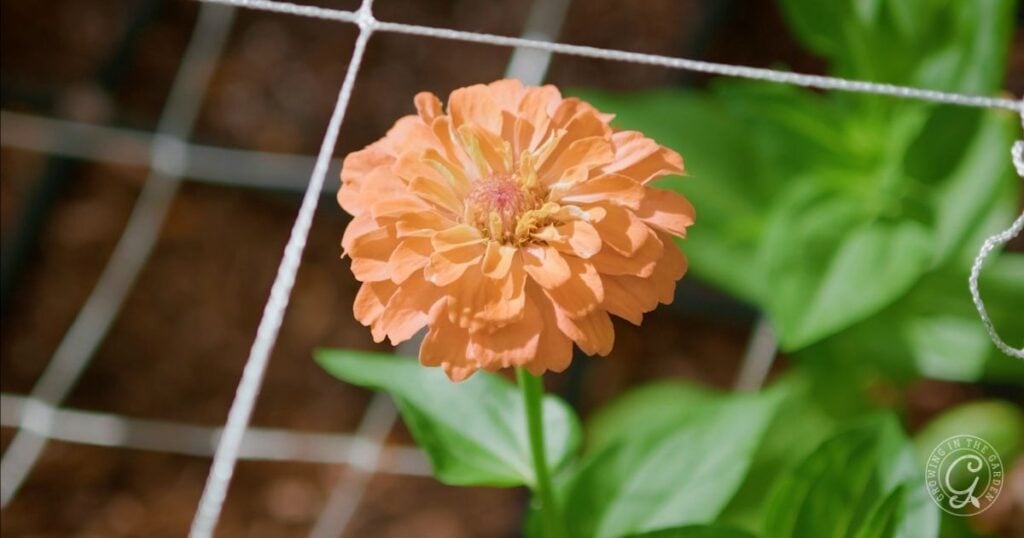
- Benary’s Giant – the cut flower standard, with large blooms and many colors
- Aurora – tall and showy with full, ruffled petals
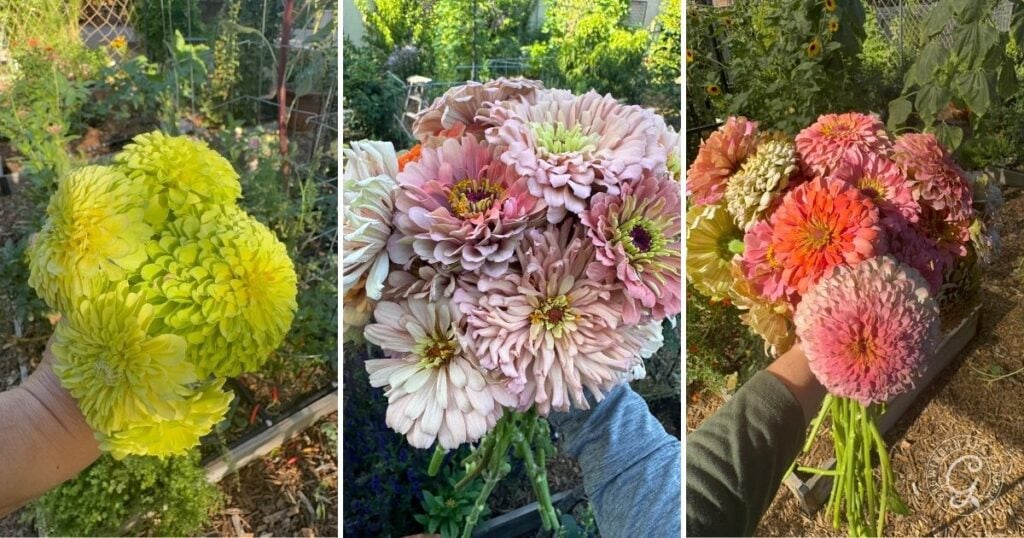
- Queeny Lime – unique ombré shades in green, pink, and peach
- Ballerina – frilly blooms with great vase life
- Oklahoma series – smaller blooms than Benary’s, but long, strong stems and good vase life
- Queen series – shorter plants with mostly double blooms in soft, antique-looking colors like lime, peach, and blush
- Zowie Yellow Flame – Bright yellow and orange blooms, and a favorite of butterflies
Compact bedding types:
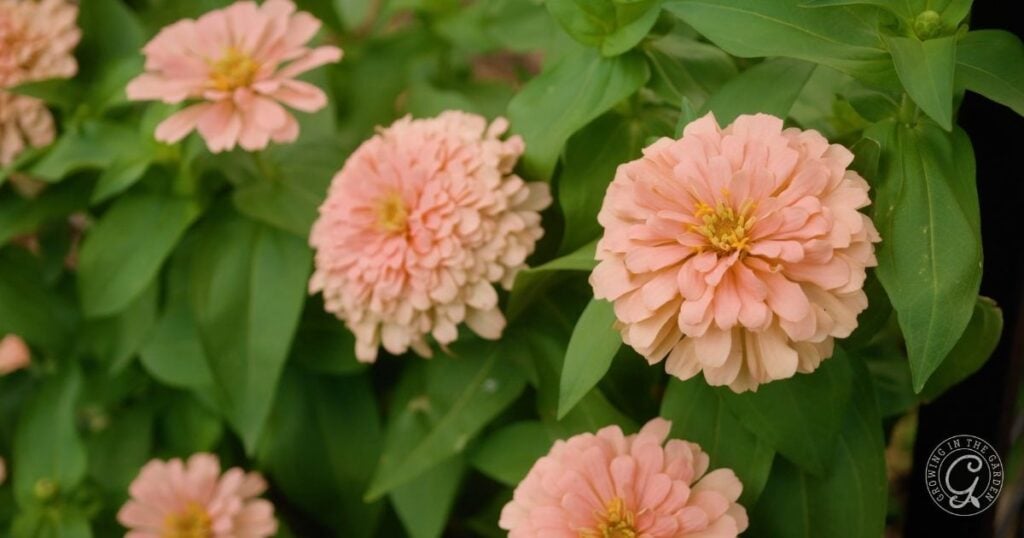
- Dreamland – full-size blooms on compact plants, great for small spaces, perfect for edging beds or growing in containers.
- Zahara series – low-growing and perfect for containers or borders
How to Plant Zinnia Seeds
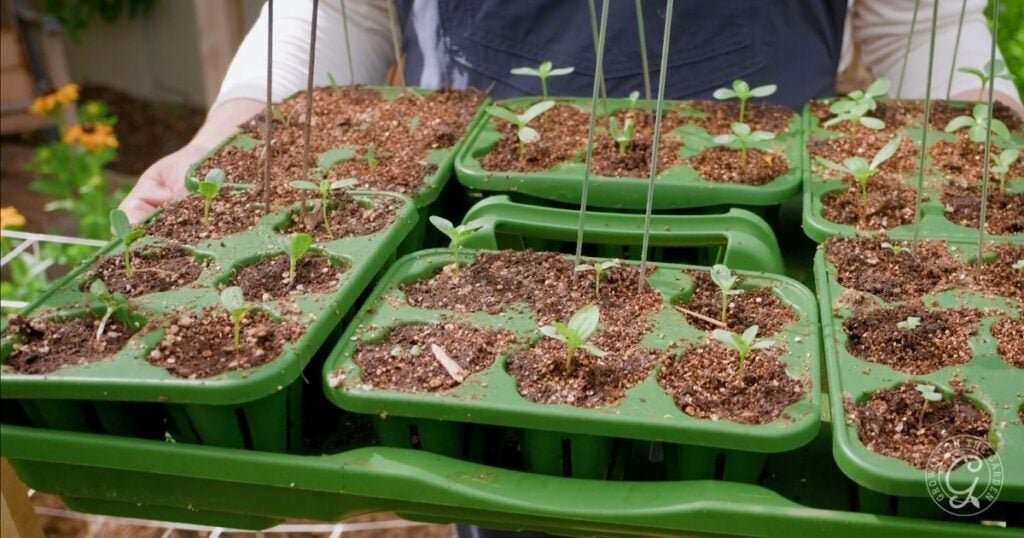
Zinnias thrive in sunlight and warm soil. Plant seeds outside after the danger of frost has passed and soil temperatures are consistently above 60°F (16°C). Sow seeds ¼ inch deep and 6–12 inches apart, depending on the variety. For larger types, space 12–18 inches apart to ensure good air circulation.
To sow seeds indoors, poke the pointy end of the seed into moist seed-starting mix and cover it lightly with soil. Plant them in trays 4 weeks before your last frost date. Don’t let the seedlings become pot-bound. I like to transplant them when they are still young and only have a couple sets of leaves for the best results.
General planting window:
- Start seeds indoors: 4 weeks before your last frost
- Plant outside: After last frost and once soil is warm
In the low desert of Arizona:
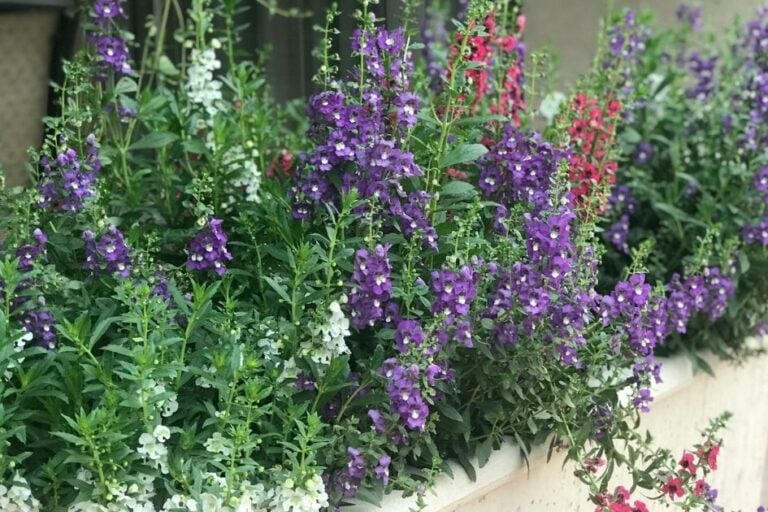
Zinnias and Angelonia are two of my favorite flowers for nonstop summer blooms. Combine them for vibrant borders or container plantings. Here’s how to grow angelonia if you’d like to give it a try. Zinnias also grow well alongside flowers like gomphrena—learn how to grow gomphrena here.
2. Care for zinnias as they grow
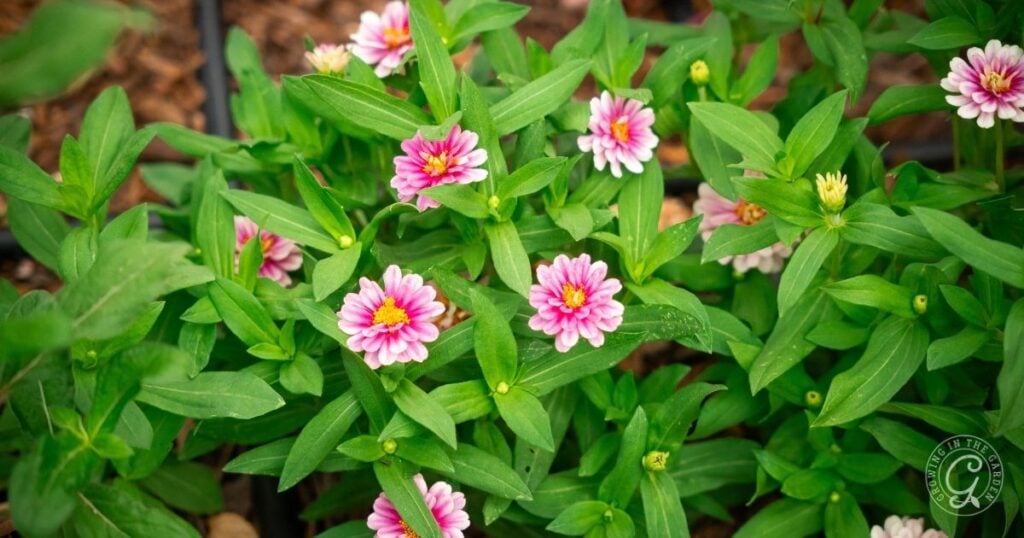
Zinnias prefer well-draining, fertile soil with a pH between 6.0 and 7.0. Before planting, amend the soil with compost and worm castings. You can also add a granular flower fertilizer at planting, but zinnias don’t need much feeding during the season.
Hot Climate Tip: Once seedlings are several inches tall, add a thick layer of mulch to help retain moisture and keep zinnias growing strong through the summer heat.
Zinnias don’t like to stay wet, especially on their leaves, which can lead to disease issues. Powdery mildew is a common problem, especially later in the season or in humid conditions. The best prevention is to space plants properly, avoid overhead watering, and keep the foliage dry. If powdery mildew appears, don’t worry—it’s treatable. Here’s how I manage powdery mildew in the garden.
Water deeply and consistently, but let the top inch or so of soil dry out slightly between waterings. Zinnias don’t like soggy conditions. Use drip irrigation or water at the base of the plant to keep the foliage dry.
Hot Climate Tip: Smaller bedding varieties of can tolerate more sun. Larger varieties do best with afternoon shade.
Taller varieties may need staking, especially in gardens that experience strong winds or summer monsoons. Supporting the stems helps prevent breakage and keeps your blooms looking their best. Learn more in this guide to supporting cut flowers.
Zinnias pair beautifully with vegetables like cucumbers. See how to grow cucumbers with flowers and herbs.
3. Cut zinnias back when young for more blooms
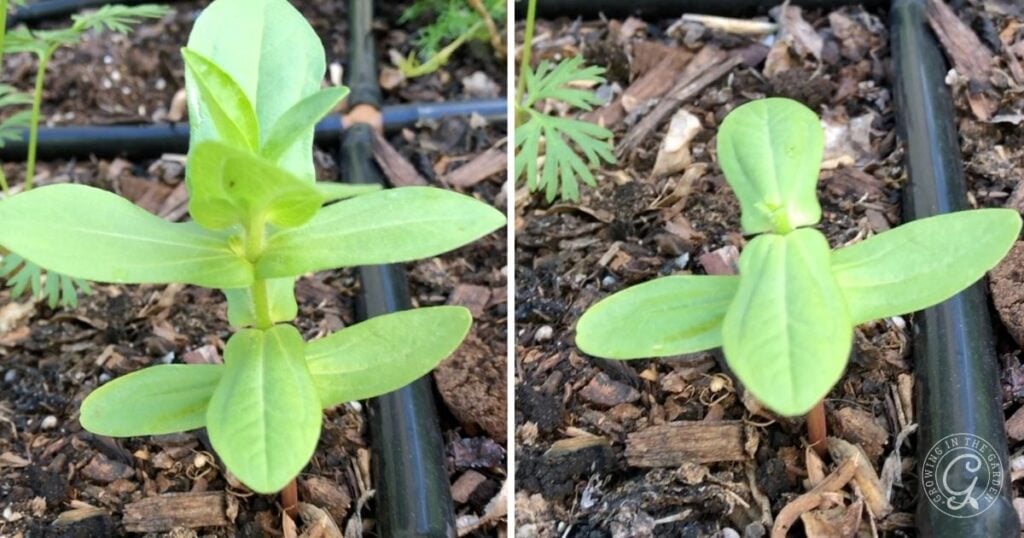
Zinnias respond extremely well to pinching. Pinching encourages branching, which means more stems, more flowers, and stronger plants overall. I like to pinch about half of my seedlings when they reach 6 to 8 inches tall. This gives me a head start on blooms from the unpinched plants, while the pinched ones develop into bushier plants that produce more over time.
To pinch, use clean scissors or pruning shears to cut off the top several inches of the main stem just above a leaf node. This simple step encourages the plant to form multiple branches, each with the potential to bloom.
Even if you don’t pinch early, zinnias still branch naturally after harvesting. In fact, when you cut a bloom from an unpinched plant, it essentially acts as a pinch and encourages side shoots to develop from that point.
Hot Climate Tip: Take care when pinching zinnias during hot weather. Young plants are more vulnerable to stress and can burn or die back if pinched during extreme heat. For best results, pinch before planting them out and allow the plants to harden off naturally.
Learn more about this technique in my guide to pinching flowers for more blooms.
4. Harvest zinnias often to keep them blooming
How and when you harvest zinnias depends on the type you’re growing. Harvesting (or deadheading) is key to encouraging more blooms.
For Bedding Zinnias
Bedding varieties like Zahara and Dreamland are low-maintenance but benefit from regular grooming. Deadhead spent blooms by gently popping them off with your fingers. It’s not absolutely necessary, but it keeps plants tidier and encourages more blooms instead of seed production.
For Cut Flower Zinnias
When harvesting for cut flowers, timing is everything. Zinnias will not continue to open after being cut, so wait until the bloom is as open as you’d like—but before the small yellow florets (stamens) around the center begin to show. That’s a sign the bloom is starting to decline.
Use the “wiggle test” to check for stem maturity. Gently shake the stem—if it jostles or wiggles, it’s too early. Mature stems feel stiff and upright.
Hot Climate Tip: For the longest vase life, harvest zinnia blooms early in the morning. Harvesting during hot weather can reduce the quality and appearance of the flowers.
Use clean, sharp snips and make your cut low on the plant, at the base of the stem. This encourages new side shoots to develop, resulting in more stems and blooms throughout the season. Remove lower leaves promptly after harvesting.
Place freshly cut zinnias directly into clean water. Zinnias can last up to 10 days in a vase if properly conditioned. Dirty water can cause stem issues, so change the water every 1–2 days. Adding a florist chlorine tablet and floral preservative can extend vase life.
5. Save zinnia seeds each season
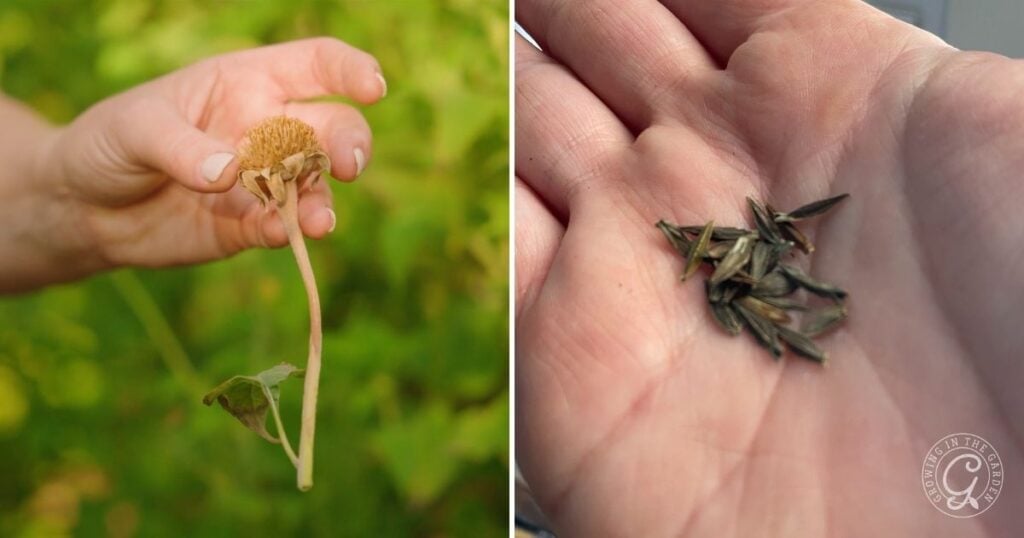
Saving seeds from zinnias is simple and rewarding. Here’s how:
- Choose healthy blooms and allow them to dry completely on the plant.
- Once the heads are brown and brittle, cut them off with clean scissors.
- Let them dry further indoors for 1–2 weeks. I put them in a paper sack to continue drying.
- Break apart the flower head to find the arrowhead-shaped seeds at the base of each petal.
- Separate seeds from debris and let them air-dry for another day or two.
- Store in a labeled paper envelope or jar in a cool, dry place.
Saving seeds lets you enjoy your favorite varieties again next year—and helps preserve their unique traits. Read more about how to save seeds here.
Hot Climate Tip: Leave one of the best early blooms on the plant to go to seed. As temperatures rise, seed development often declines, so saving early gives you the best chance at viable seeds.
Want another great cut flower? Learn how to grow strawflowers for dried and fresh arrangements.
Bonus: Combine zinnias with bold summer foliage
Zinnias look beautiful when paired with bold, textural foliage. I love adding Mahogany Splendor Hibiscus to my summer garden. Its deep burgundy leaves make zinnia colors pop. Learn how to grow Mahogany Splendor Hibiscus.
Zinnia Growing FAQs
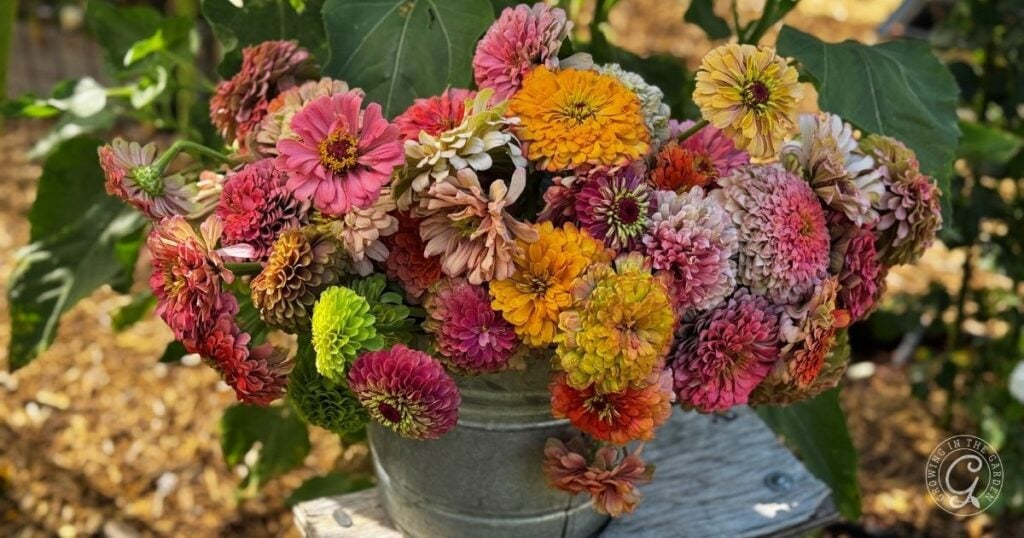
Why don’t my zinnias get tall?
You may be growing a compact variety like Zahara or Dreamland. To grow tall zinnias for cut flowers, choose varieties like Aurora, Queeny Lime, or Ballerina, and be sure to grow them from seed.
Can I grow zinnias in containers?
Yes! Use compact varieties like Zahara and Dreamland, and choose a large container with good sunlight and well-draining soil.
Do zinnias reseed?
Yes, zinnias can reseed in the garden, especially if you leave a few spent flowers to dry and drop seed. However, hybrid varieties may not grow true to type.
Can zinnias survive extreme heat?
Zinnias are one of the best flowers for hot climates. With consistent watering and afternoon shade, they bloom through the hottest months. Explore more flowers that love the heat.
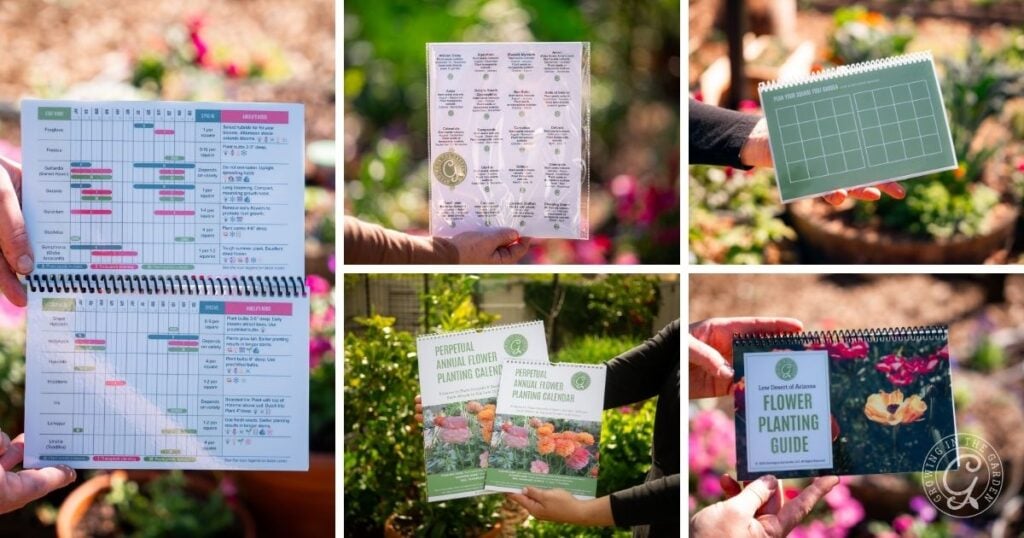
Want more flower inspiration? Explore the Arizona Annual Flowers Visual Guide or browse the Low Desert Flower Planting Guide.
If you enjoyed this post on how to grow zinnias, please share it. Growing zinnias has brought color, joy, and pollinators to my garden—and I hope they’ll do the same for yours.


Hi! I planted Zinnia from seed at the end of May, and so far I have 6″ skinny stems with only a few leaves. The bottom leaves keep turning brown and falling off. I’m watering daily at sunrise and I have them mulched with a shade cloth, but is the AZ sun still too hot for them?
Hi. That is frustrating. What is your soil like? Mine are in full sun with about 15 inches of good soil. Be sure not to get water on the leaves. Also cut them back when they are a few inches tall to encourage branching stems.
My zinnias have tiny blooms. I did not read your post until now. Is it too late to prune them?
They are beautiful plants. Just disappointed in blooms.
You can always cut back to above two sets of leaves. However, the size of the bloom is determined by which variety you planted, not necessarily if you pinched them back or not.
On friday me and my class harvested zinnias and then we took them home to have zinnias at our homes.
Last Friday we got zinnias in packets and we learned more about this plant and am excited for them to grow. Your vlog showed me more things to see in plants and i know about zinnias now. I love the facts about zinnias and how much can be grown by a zinnia. It also keeps people entertained if they have nothing to do. We also have some zinnias in the school garden that are doing amazing with the water and sun, soil.
Hello! At my summer school we made seed packets with zinnias in them.I also have a question for you, can zinnias survive with a lot more plants around them?
Zinnias can be planted near other plants.
Hi, All your information about Zinnias are amazing .But how does the soil have to be and how much water do you have to put so i don’t overwater them and how many months does it need so the seeds sprout?
Zinnias like soil with compost. Seeds sprout in just a few days. Water when the soil dries out a little.
Me and the rest of the class harvested Zinnias. The popcorn was good because we also got popcorn that day.
I have lots of questions ‘but all i want to know is why zinnias are made why do they exist could zinnias be helpful and healthy is it safe can we water twice a day or a week
The bees and butterflies love zinnias. Water when the soil dries out a bit.
@Angela Judd,
Bees and butterflies love zinnias that are open in the center so the insects can get at the nectar. Some zinnia varieties have so many petals that insects can’t get at the nectar.
Small, narrow-leaved zinnias make pretty dry flowers. The common garden zinnia or Zinnia Elegans is also called “Youth-and-age
”HI, I have a Zinnia but not much about them yet” like what kind of soil, the teampercher tw0,I wondered if there’s a limit of where it stops growing?.And do you know why they turn brown and the leafs two do we put more watar or does it need food,”
Zinnias like warm weather, so they will stop growing when it gets cold. The leaves don’t like to get wet when you water (unless its rain) maybe that is why.
W1e have some zinnias in the school garden.
Is it safe to plant zinnia seeds in late July-early August here in Mesa? Everything in my garden bed has burned up on me. The zinnias grew great until mid-June when it hit 110.
You could certainly try. They grow and sprout quickly and usually bloom through at least October.
I am pretty sure I planted way too many seeds and my zinnias are just starting to bloom. The flowers are teeny tiny. I have read that I should have thinned them out when they were sprouting to prevent overcrowding (resulting in tiny flowers). Is it too late to thin them now?
It’s always better to thin earlier, but it’s not too late thin them now. I would cut them at the base, rather than pulling them up to thin them. Flower size can also be determined by the variety you are growing.
When is the best time or season to plant Zinnias
They prefer warm soil. Plant a week or two after your last frost.
my zinnia stems are growing but the bottom of the stem is browm so
I cut it baxk to the green in the stem
If I put the pruned trimmings in a glass of water, will they root and eventually be able to plant again? Or should I just throw the pruned trimmings away?
Good question, I’m not sure. If you try it, let me know.
Thank u for this arrival. I learned a lot about zinnias.
Thank you for your detailed instructions and photos, especially where to cut the stem to stimulate side growth. This is one of the most helpful articles I’ve found on growing zinnias.
Glad it was helpful.
When do you cut back petunias and how far?
Mulch in winter?
Are you asking about zinnias? Zinnias are an annual and will need to be replanted next spring.
I have grown huge beautiful zinnias the last few summers, but just when they are blooming beautifully they are attacked by small gray aphids and then die. I have been unsuccessful at finding anything that will kill the aphids and save the flowers 🙁 Have you had any experience with this?
You can try spraying them off with a strong stream of water. Do this a couple times of day until the problem is better.
I just pulled up all of my zinnia plants that were destroyed by aphids. Is it too late to plant again?
No, not too late.