
How to Grow and Use Lemon Balm
Lemon balm is a favorite herb to grow, it’s fragrant, flavorful, and adds a gentle lemony-mint note to teas, dishes, and even pest-repelling borders. But growing lemon balm in hot climates like the low desert can be a little tricky. In this post, I’ll walk you through everything you need to know to grow it successfully.
What We Will Cover:
- What Is Lemon Balm?
- Lemon Balm at a Glance
- When to Plant Lemon Balm
- Where to Grow
- Soil Preparation
- Planting From Seed or Transplants
- Watering and Fertilizing
- Pruning, Maintenance, and Summer Care
- How to Grow Lemon Balm in Containers
- Lemon Balm Companion Plants
- Pests and Diseases to Watch Out For
- Harvesting Lemon Balm
- Propagation
- Is Lemon Balm Invasive?
- How to Use Lemon Balm
- How to Grow Lemon Balm FAQs
What Is Lemon Balm?
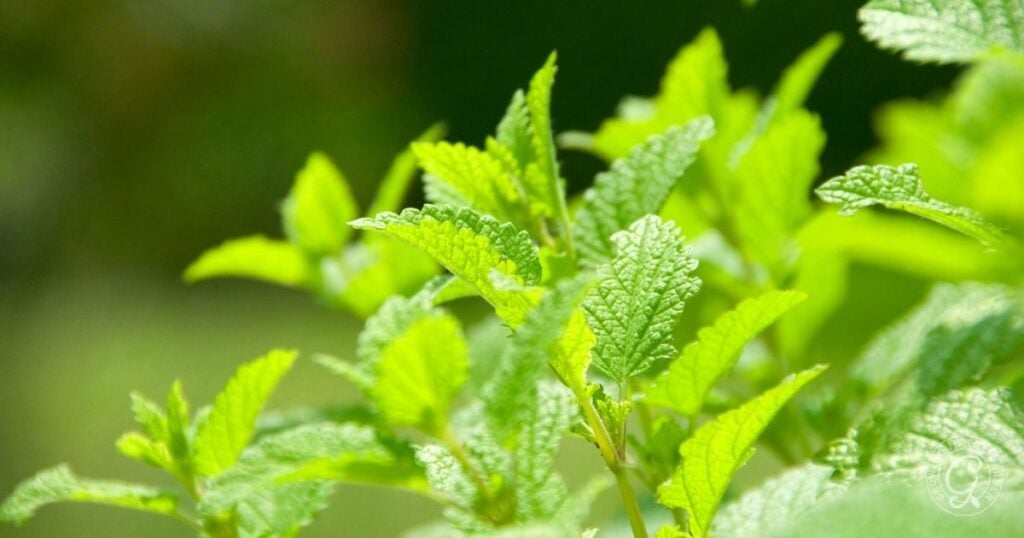
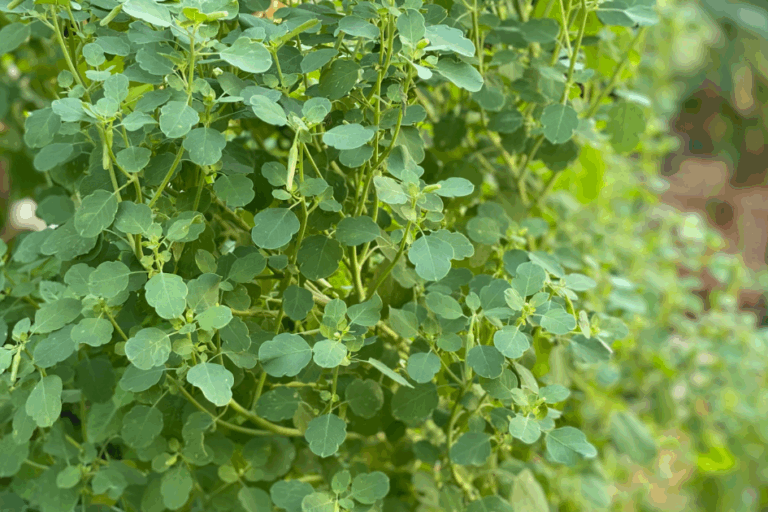
Lemon balm (Melissa officinalis) is a perennial herb in the mint family with soft, crinkled leaves and a mild lemon scent. It attracts pollinators and has been used for centuries for its calming properties in teas and tinctures.
Lemon Balm at a Glance
- Type: Short‑lived perennial; tender in extreme heat
- Height/Spread: 12–24 inches tall (30–60 cm), 18–24 inches wide (45–60 cm)
- Sun: Full sun to part shade; afternoon shade in hot climates
- Soil: Well‑draining, fertile soil; pH 6.0–7.5
- Water: Even moisture, never soggy
- Spacing: 12–18 inches apart (30–45 cm)
- Container: 12 inches wide (30 cm) or larger with drainage
- Hardiness: Perennial in zones 4–9. In the low desert, treat as a cool‑season annual or give afternoon shade and extra care through summer.
When to Plant Lemon Balm
General climates
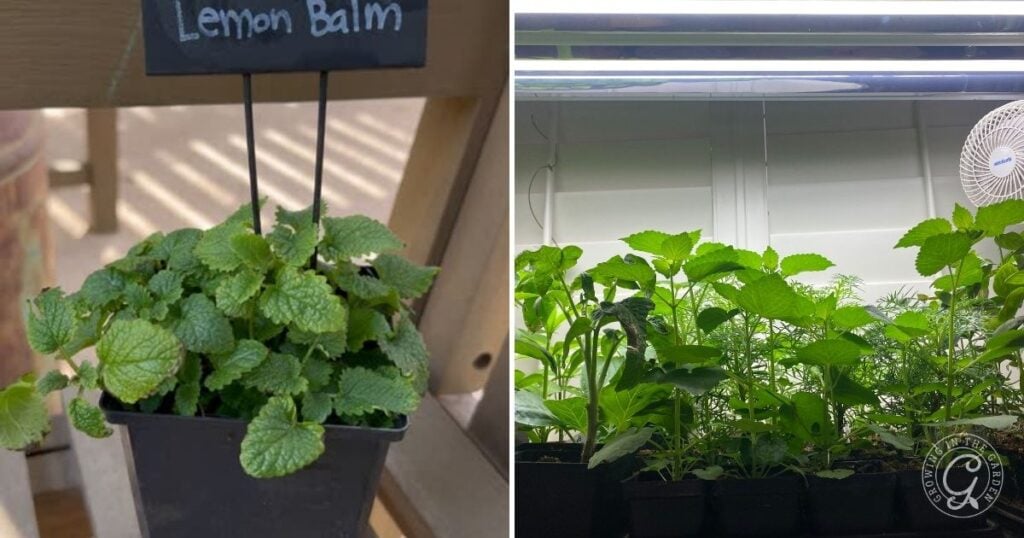
- From seed indoors: 6–8 weeks before your last frost.
- Transplant outdoors: After danger of frost, when soil is 60–70°F (16–21°C).
- Fall planting: In mild‑winter areas, plant in early fall for a long cool‑season harvest.
Low desert of Arizona
- Best transplant windows: February–April and October–November.
- The goal is to establish plants before the hottest months. Provide morning sun and afternoon shade once temperatures climb.
- See my Arizona Herb Planting Guide for more timing tips.
Where to Grow
- Light: Lemon balm tolerates full sun in mild climates. In hot, dry regions, give 4–6 hours of morning sun with afternoon shade or filtered light.
- Temperature: Growth slows in high heat. Plants can survive light frosts once established.
Soil Preparation
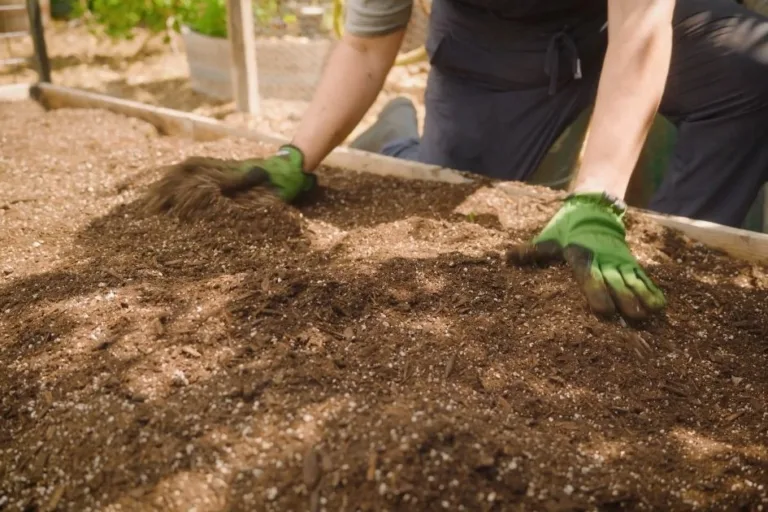
- Choose a well‑draining, loamy soil enriched with compost or worm castings.
- Target pH 6.0–7.5.
- In raised beds and containers, use a high‑quality planting mix that drains well. If summer heat is intense, mulch with shredded leaves or compost to moderate soil temperature and conserve water.
- For hot climates, see How to Grow Herbs in Hot Summer Climates and 10 Perennial Herbs for Hot Summer Climates.
Planting From Seed or Transplants
From seed
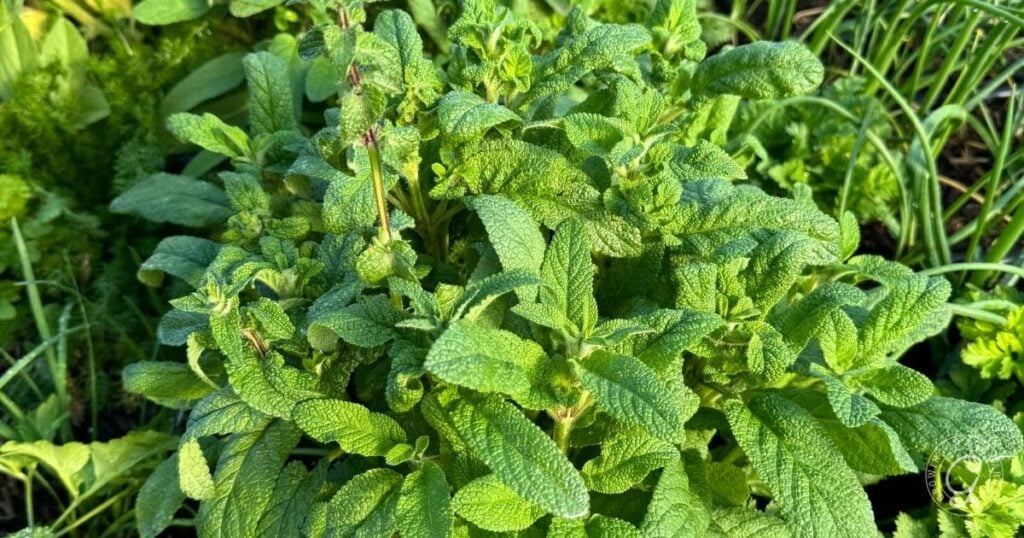
- Surface sow or cover very lightly, about 1⁄16–1⁄8 inches (1–3 mm). Light aids germination.
- Keep evenly moist at 65–70°F (18–21°C).
- Germination takes 7–21 days.
- Thin or transplant seedlings to 12–18 inches apart.
From transplants
- Plant at the same depth as the nursery pot.
- Water-in well and shade for a few days while roots establish.
Watering and Fertilizing
- Keep soil evenly moist. Water deeply when the top 1 inch (2.5 cm) is dry. Containers dry faster than beds.
- Avoid soggy conditions that lead to root issues.
- Fertilize lightly. Too much nitrogen reduces flavor. Monthly compost tea or a small side‑dressing of compost is usually enough.
Deep, infrequent watering encourages resilient roots.
Pruning, Maintenance, and Summer Care
- Pinch growing tips to encourage a bushy plant.
- Do not remove more than one‑third of the plant at a time.
- Before seed set, shear plants back by one‑third to refresh growth and discourage self‑sowing.
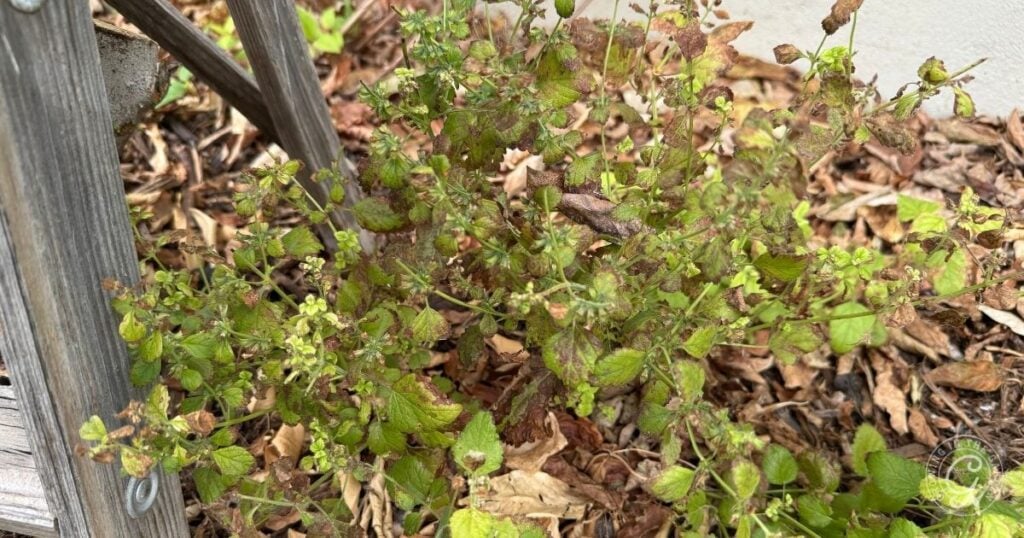
- In the low desert, oversummer by moving containers to bright shade, increasing mulch, and watering consistently. Some plants may decline in peak heat and can be replanted in fall.
How to Grow Lemon Balm in Containers
Lemon balm grows well in containers, which helps prevent it from spreading and allows you to move the plant to a shadier spot during hot weather.
- Choose a pot 12–16 inches (30–40 cm) wide with good drainage.
- Use a well-draining potting mix enriched with compost or worm castings.
- Water deeply when the top 1 inch (2.5 cm) of soil feels dry. In warm climates, this may be every 1–3 days depending on exposure and pot size.
- Feed lightly during active growth using a diluted organic liquid fertilizer or compost tea every few weeks.
Want to make watering easier?
For consistent moisture and reduced watering frequency, consider using an olla like the ones I use from Growoya. It’s especially helpful during hot weather when container soil can dry out quickly.
Lemon Balm Companion Plants
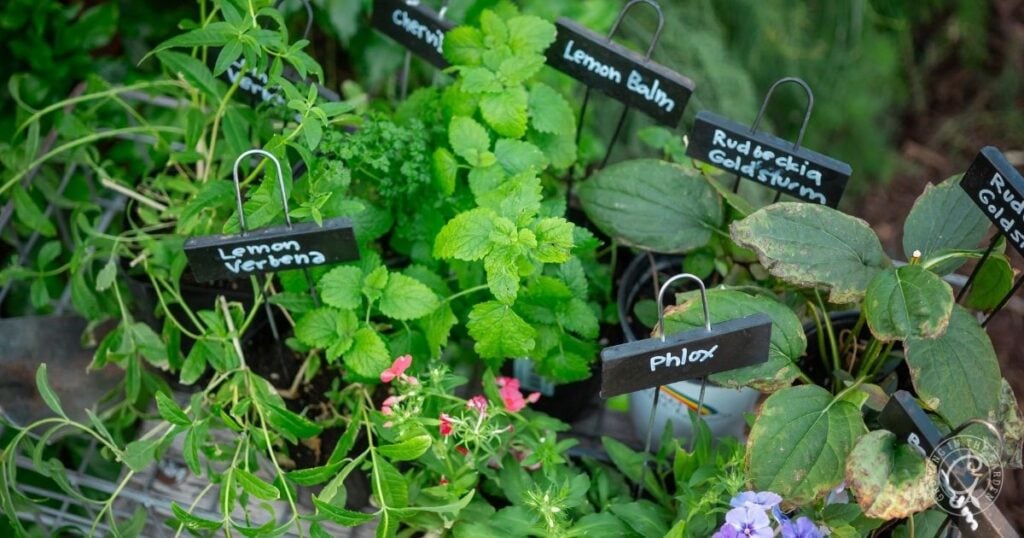
Lemon balm does best in moderate moisture and partial to full sun, making it more compatible with herbs and vegetables that enjoy similar growing conditions. It attracts pollinators and its fragrant foliage may help deter some pests.
- Lettuce – Lemon balm’s scent may help deter aphids, and its light shade can benefit tender lettuce leaves.
- Peas and beans – Nitrogen-fixing legumes pair well in timing and water needs during the cool season.
- Brassicas (like broccoli, cabbage, or kale) – Lemon balm may help deter cabbage moths and other pests.
Lemon balm prefers more moisture than drought-tolerant herbs in the Lamiaceae family like sage, oregano, and thyme. Explore How to Grow Sage and How to Grow Mint for more growing information.
Pests and Diseases to Watch Out For
Generally trouble‑free. Watch for aphids, whiteflies, and spider mites, especially in heat or dry air. Use a firm water spray or insecticidal soap if needed. Prevent powdery mildew with good spacing, airflow, and morning watering at soil level.
Harvesting Lemon Balm
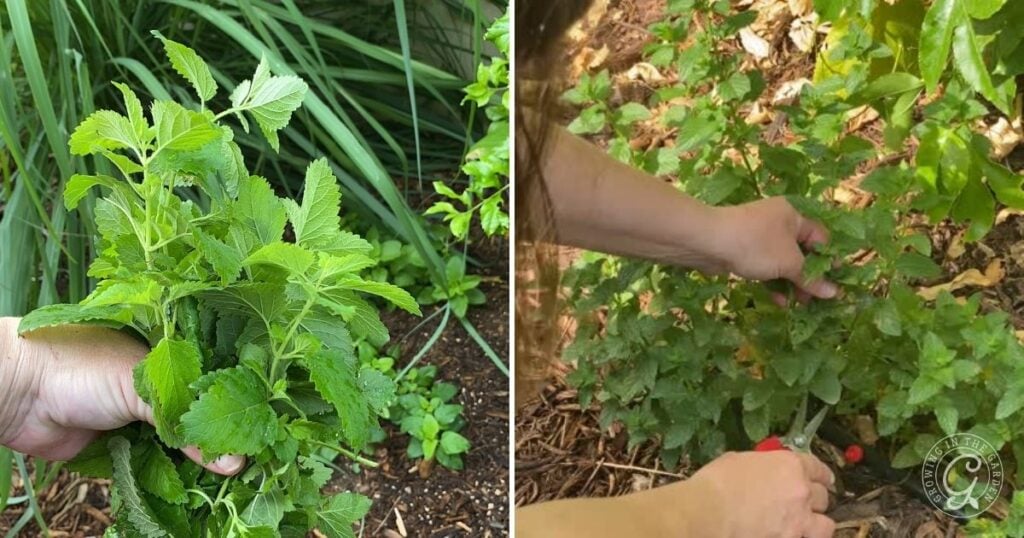
- Begin harvesting once plants are 6–8 inches tall.
- Cut stems just above a leaf node. Harvest in the morning after the dew dries for best flavor.
- To harvest without killing the plant, never remove more than one‑third at once, and rotate harvest areas to allow regrowth.
Preserving
- Drying: Tie small bundles or use a dehydrator at low temperature until brittle.
- Freezing: Chop and freeze in ice cube trays with water or olive oil.
- Fresh use: Best flavor comes from young, tender leaves.
Propagation
- Division: Split clumps in early spring or fall.
- Cuttings: Root softwood cuttings in water or moist potting mix.
- Seed: Fresh seed germinates best. Surface sow and keep evenly moist.
Is Lemon Balm Invasive?
Lemon balm spreads mainly by self‑seeding. It is less aggressive than true mints but can pop up nearby. Prevent spread by shearing before seed set, pulling unwanted seedlings, or growing in containers. Tips in Preventing Mint From Spreading apply here as well.
How to Use Lemon Balm
Use young leaves for a subtle lemon and mint flavor in tea blends, salads, fruit, marinades, and desserts.
Lemon Balm Pesto
First heard about this on a garden tour. Now we make it often.
Ingredients
- ¾ cup lemon balm leaves, firmly packed
- ½ cup pine nuts
- ¾ cup Parmesan cheese
- ¼ cup extra virgin olive oil
- 3 Tb lemon juice
- 1 tsp fresh chives
- Salt and pepper to taste
Instructions
Pulse all ingredients in a food processor until smooth. Season to taste. Refrigerate up to 1 week or freeze up to 3 months.
Sage and Lemon Balm Tea
Sage can be overpowering on its own. Lemon balm balances it out.
- 2 Tb finely chopped sage
- 3 Tb finely chopped lemon balm
- 6 oz boiling water
- 1 tsp honey
Steep 10–15 minutes, strain, and enjoy. Try my Roselle Citrus Tea for another favorite.
How to Grow Lemon Balm FAQs
How big does lemon balm get?
About 12–24 inches tall and 18–24 inches wide. Regular pinching keeps it compact.
Does lemon balm grow back each year?
Yes, it is perennial in many regions. In the low desert it often acts like a cool‑season annual unless given afternoon shade and steady care.
How often should I water lemon balm?
Water deeply when the top 1 inch is dry. In containers during heat, this may be every 1–3 days
What soil is best for growing lemon balm?
Well‑draining soil enriched with compost or worm castings, pH 6.0–7.5.
Can lemon balm grow in shade?
Yes. It grows well in part shade and prefers afternoon shade in hot climates.
Is lemon balm safe for pets?
Generally considered non‑toxic, but always check with your veterinarian before offering herbs to pets.
How do you propagate lemon balm?
By division, softwood cuttings, or seed. Fresh seed and consistent moisture improve germination.
Why is my lemon balm wilting?
Common causes are heat stress, underwatering, or root‑bound containers. Provide shade, water deeply, and up‑pot if roots are crowded.
When is the best time to harvest lemon balm?
Harvest in the morning, before flowering, when oils are most concentrated.
How do you prevent lemon balm from spreading too much?
Shear before seed set, mulch, pull volunteers, or grow in containers.

Leave a comment on How to Grow and Use Lemon Balm