
How to Grow and Use Stevia
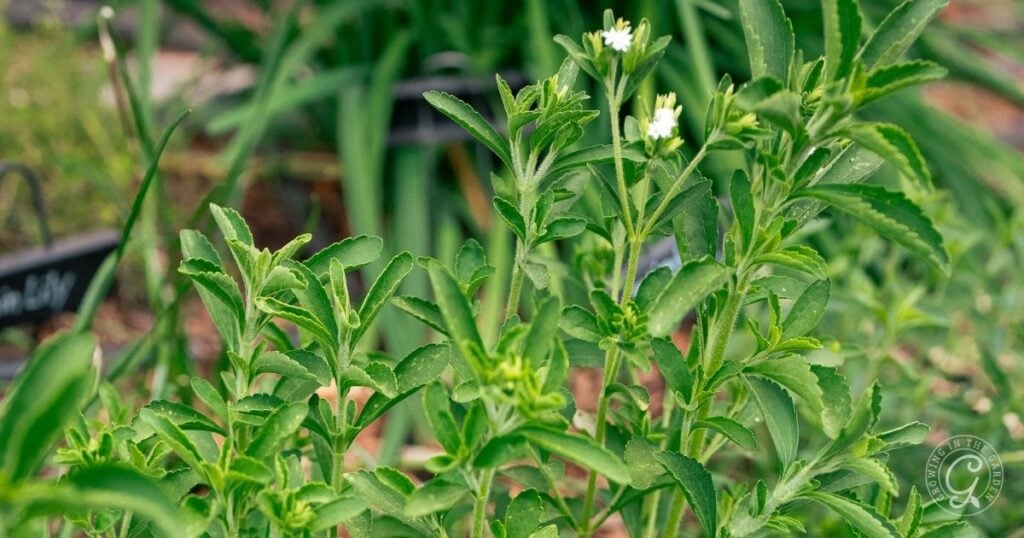
Looking for a natural way to sweeten your tea or desserts? Stevia is a heat-tolerant herb with sweet-tasting leaves that’s easy to grow. Native to South America, Stevia rebaudiana contains natural compounds that are many times sweeter than sugar. In this guide, you’ll learn how to grow, when to plant it, how to harvest and dry the leaves, and the best ways to use it in your kitchen.
What we will cover:
- What is Stevia?
- When to Plant Stevia
- How to Grow Stevia
- How to Grow Stevia from Seed
- Is Stevia a Perennial or Annual?
- How to Harvest and Dry Stevia
- How to Use Stevia
- Companion Plants and Similar Herbs
- FAQ: How to Grow Stevia
- Final Tips for Growing Stevia Successfully
What Is Stevia?
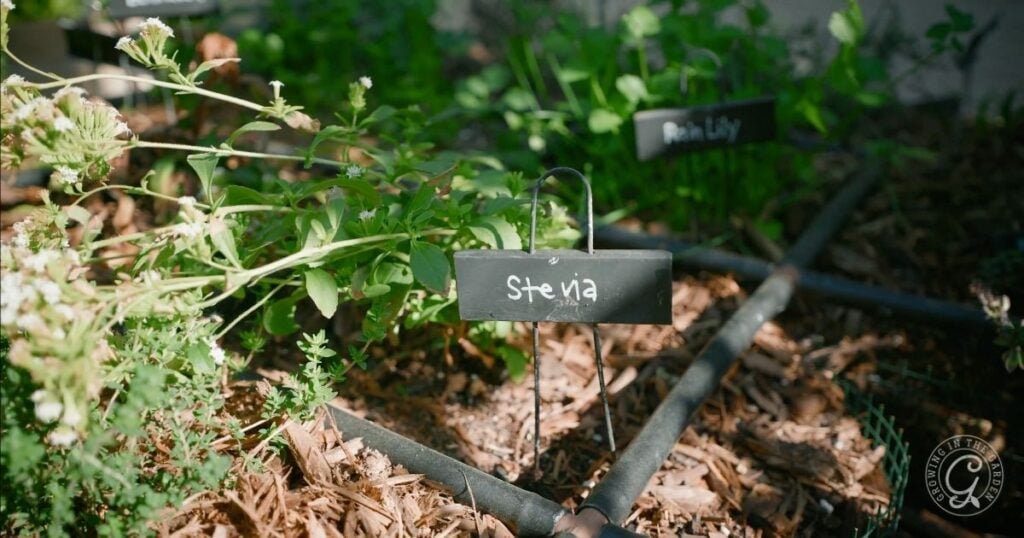
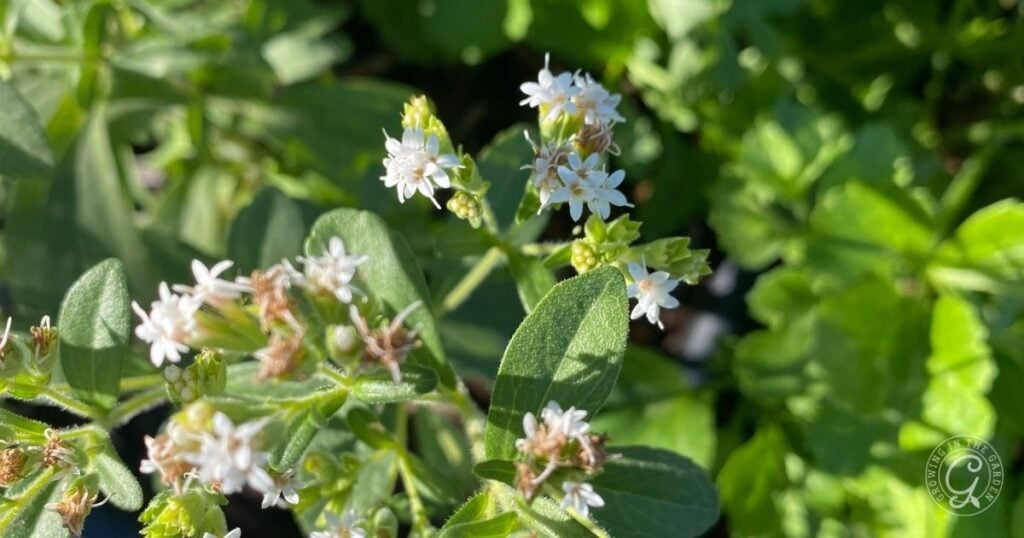
Stevia is a perennial herb in the sunflower family known for its intensely sweet leaves. Unlike sugar, it doesn’t spike blood sugar levels, making it a popular alternative for those looking to cut back on sugar.
The sweetness comes from natural compounds called steviol glycosides, which are extracted to make stevia powder or liquid sweeteners.
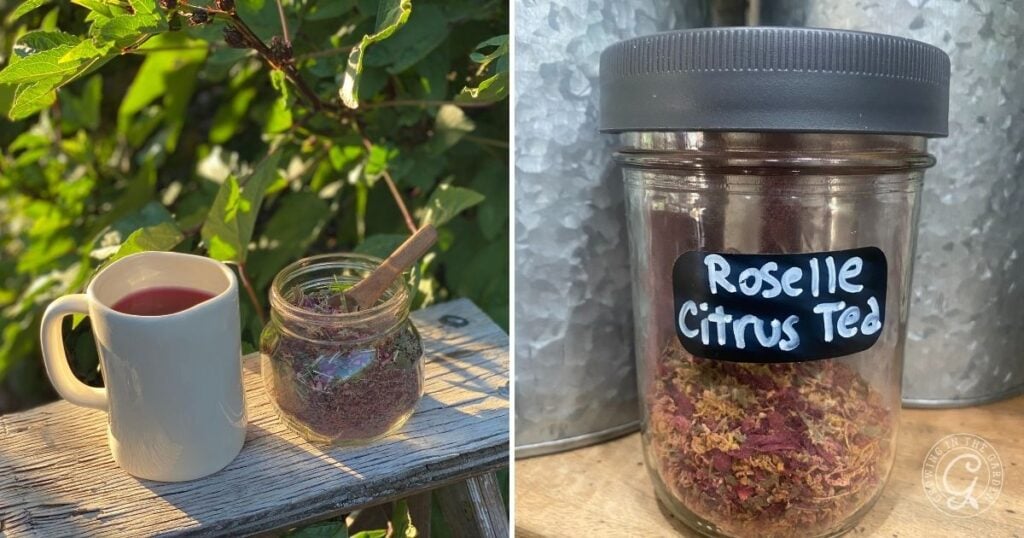
One of my favorite ways to use it is in homemade roselle hibiscus tea. Stevia leaves add the perfect hint of sweetness without any sugar. So good!
When to Plant Stevia
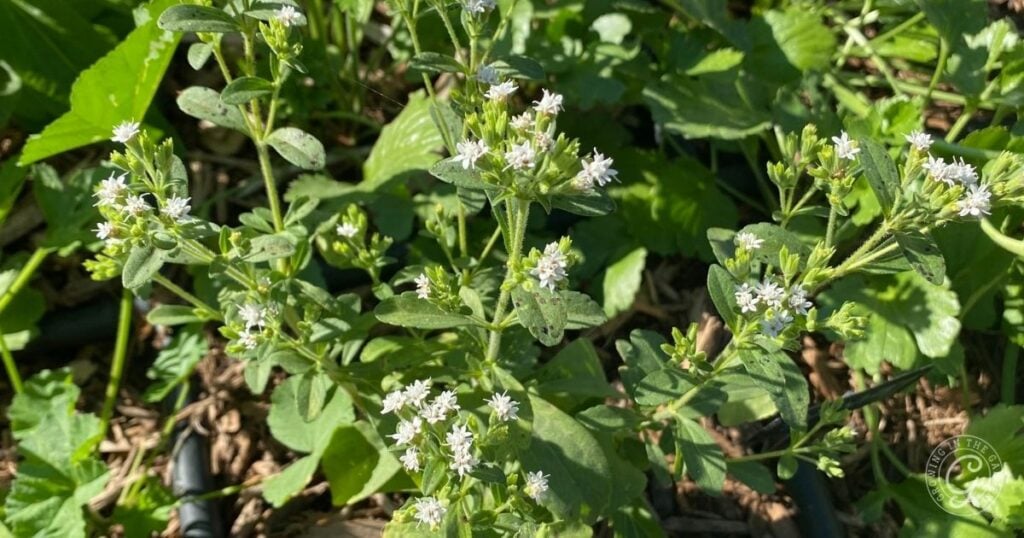
In most climates, plant stevia transplants after the danger of frost has passed and nighttime temperatures are consistently above 50°F (10°C). Stevia doesn’t tolerate frost or extreme heat well, so timing is important.
Tip: Stevia can be grown from seed, but germination is often unreliable. For best results, start with healthy transplants from a nursery or grow your own from cuttings. They establish more quickly and are easier to manage.
When to Plant Stevia in Arizona (Low Desert Zones 9–10):
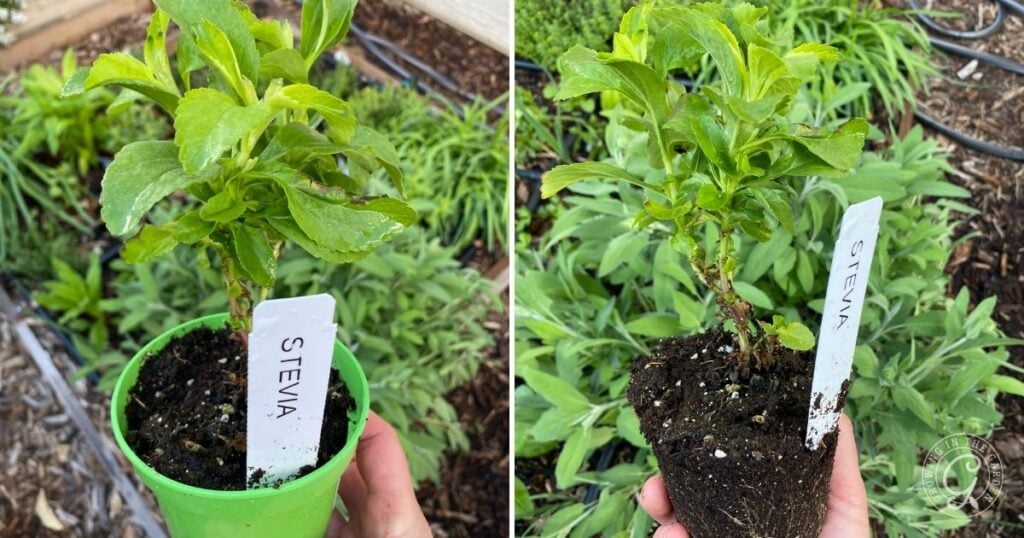
In the low desert, avoid planting stevia in midsummer. Intense heat can stress young transplants. If you’re planting in spring, provide afternoon shade during the summer to help the plant get established.
How to Grow Stevia
Spacing & Light
- Spacing: 18–24 inches (45–60 cm) apart to allow good air circulation and bushy growth.
- Light: Full sun to part shade. In hot climates, afternoon shade is beneficial.
Soil Requirements
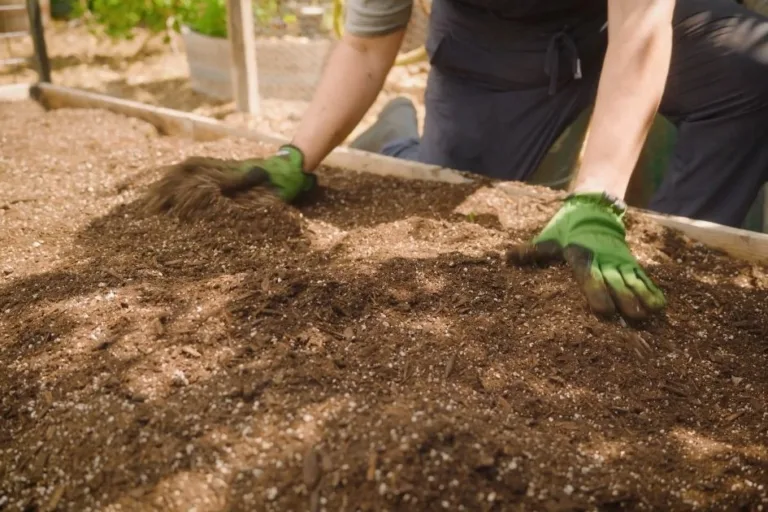
- The plant prefers well-draining, loamy soil rich in organic matter.
- A slightly acidic pH (6.5–7.0) is ideal.
- Avoid clay or waterlogged soils, which can cause root rot.
Watering
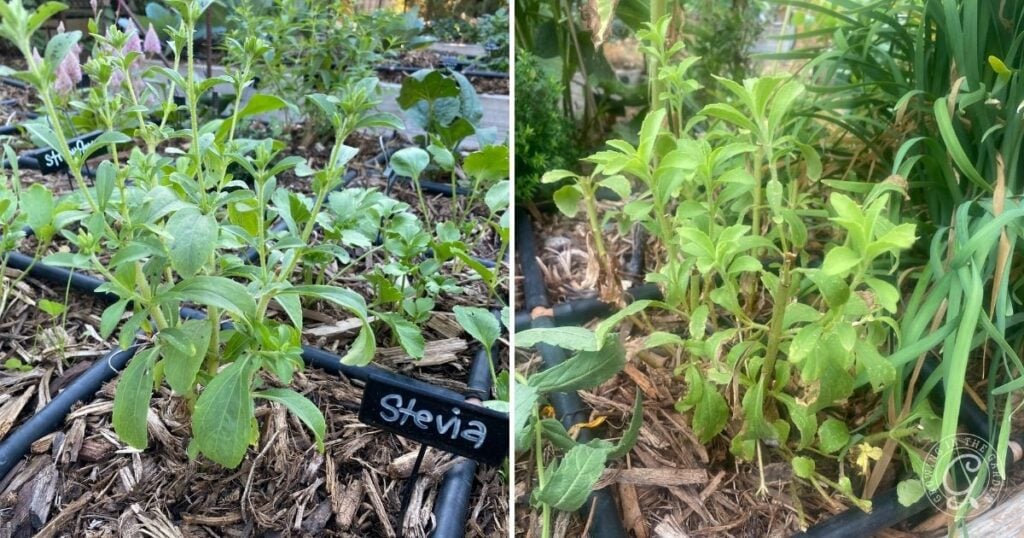
Keep soil consistently moist but not soggy. The plant has shallow roots and benefits from regular watering, especially during dry spells.
Maintenance
Pinch or trim back leggy stems occasionally to encourage a bushier plant, but avoid heavy pruning during the peak of summer in hot climates, this can stress the plant. It often slows its growth or goes semi-dormant during very hot or cold periods.
At the end of summer in hot climates, or after winter in cooler areas, trim the plant back by about one-third and feed with compost to encourage healthy new growth for the next season. Remove spent flowers to keep the plant tidy and productive.
Can You Grow Stevia from Seed?
Yes, stevia can be grown from seed, but it isn’t always the easiest route. Germination rates are often low, and seedlings can be slow to establish.
I recommend planting stevia from a transplant (either from a local nursery or started from cuttings) for the most reliable results. However, if you want to try starting from seed, here are a few tips:
- Use fresh seeds from a reputable source.
- Start seeds indoors 8–10 weeks before your planting date.
- Provide warmth (70–75°F / 21–24°C), consistent moisture, and plenty of light.
- Be patient, germination can take 7–21 days.
- Thin seedlings and transplant outdoors when soil has warmed.
If you’re up for the challenge, it’s a fun way to grow your own stevia from scratch, but don’t be discouraged if germination is spotty.
Is Stevia a Perennial or Annual?
Stevia is a tender perennial in USDA zones 9 and warmer, including the low desert areas of Arizona. In these zones, plants may survive year to year with protection from frost. In colder areas, it is grown as an annual or overwintered indoors in containers.
How to Harvest and Dry Stevia
When and How to Harvest
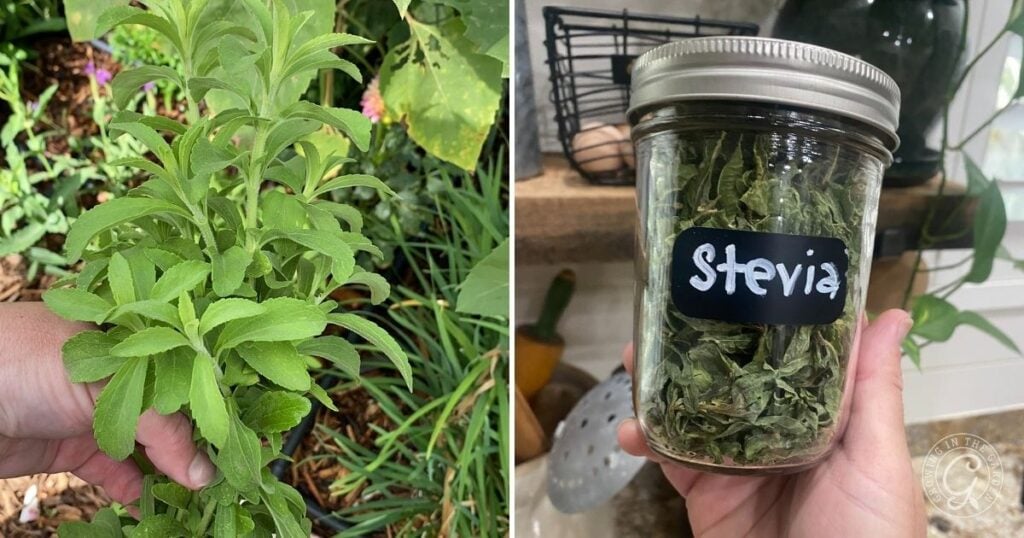
For the sweetest leaves, harvest the just before it flowers. Here’s how:
- Use scissors or garden shears to cut entire stems from the plant.
- Strip the leaves from the stems.
- Use fresh, or dry the leaves for long-term storage.
Drying and Preserving Stevia
- Air Drying: Bundle stems and hang them upside down in a dry, well-ventilated area.
- Dehydrator: Use a low setting to dry leaves quickly without damaging their flavor.
- Freeze Drying: If you have a freeze dryer, this is one of the best ways to preserve the color, sweetness, and potency of the leaves. Freeze-dried stevia can be powdered or used whole. Learn more about how to freeze dry herbs in this guide.
Once dried, store the leaves in an airtight container out of direct light. Leaves have the best flavor if used within a year.
Make Your Own Stevia Powder
Dry, dehydrate, or freeze dry clean stevia leaves until crisp. Once dry, grind into a fine powder with a coffee grinder or mortar and pestle. It’s super sweet, a pinch goes a long way.
How to Use Stevia
Stevia can be used to sweeten herbal teas, baked goods, smoothies, and more. The leaves can be steeped whole, ground into a powder, or used to infuse water.
In Hibiscus Tea: I love adding a couple of fresh or dried leaves to homemade roselle hibiscus tea. It complements the tangy flavor beautifully without needing sugar. Get the recipe for hibiscus tea here.
Usage Guidelines
- It is about 30 times (or more!) sweeter than sugar, depending on how it’s prepared.
- For fresh or dried leaves, start with 1 crushed leaf per cup of tea and adjust to taste.
- For baking, it’s best to use recipes formulated for stevia or experiment in small batches. It doesn’t caramelize or provide bulk like sugar.
Companion Plants and Similar Herbs
Stevia grows well alongside:
- Lemon balm – another sweet-tasting herb often used in teas
- Mint – helps deter pests and shares similar growing needs
- Chamomile – complements in herbal blends
- Basil – thrives in similar warm-season conditions
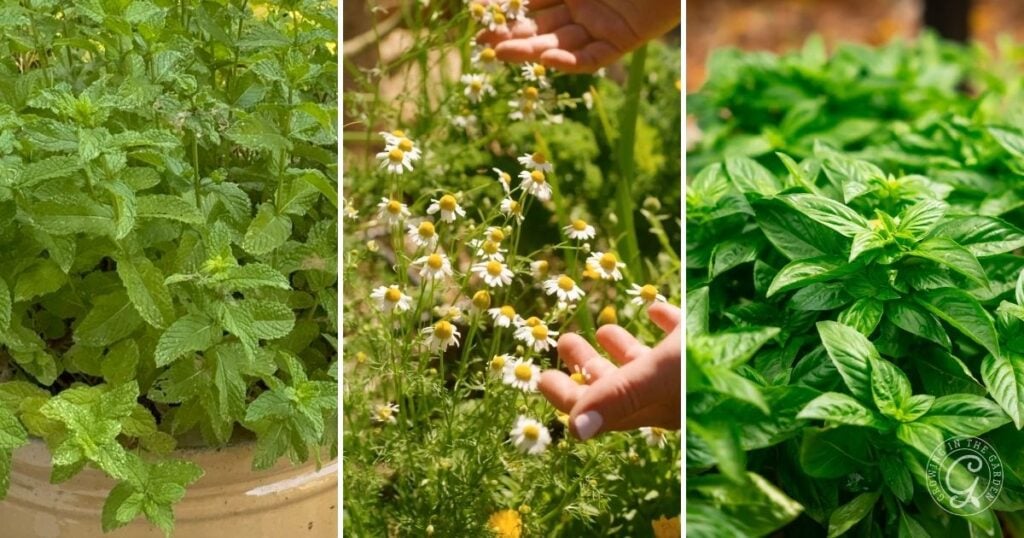
These herbs support beneficial insect activity and help create a more diverse and resilient garden. Learn more about how to attract beneficial insects to your garden in this guide.
FAQ: How to Grow Stevia
What does stevia taste like?
The leaves have a sugary flavor with a licorice aftertaste.
When is the best time to plant stevia in Arizona?
In the low desert (Zones 9–10), plant in the early spring (February–April) or fall (October–early November). Avoid the summer heat for new transplants.
Can I grow stevia in pots or containers?
Yes! It grows well in containers. Use at least a 12 inch pot with good drainage and rich, loamy soil. Water consistently and provide 6-8 hours of sunlight.
Is stevia a perennial or annual plant?
It is a tender perennial in USDA zones 9 and above. In colder zones, it’s grown as an annual or overwintered indoors.
How do you harvest stevia leaves?
Harvest leaves just before the plant flowers, when the sweetness is strongest. Cut stems, strip the leaves, and use fresh or dry them for later use.
How do you dry stevia leaves at home?
Air dry by bundling stems upside down or use a dehydrator on a low setting. Freeze drying is another excellent method. Store dried leaves in an airtight jar.
Can I grow stevia from cuttings?
Yes, it can be propagated from softwood cuttings in spring or summer. Dip cut ends in rooting hormone and plant in moist soil or water.
What type of soil does stevia need?
It prefers well-drained, slightly acidic soil rich in organic matter. Avoid heavy clay or waterlogged conditions.
Does stevia attract bees or pests?
When it flowers it attracts pollinators. It’s relatively pest-resistant but watch for aphids or whiteflies.
Final Tips for Growing Stevia Successfully
Stevia is an easy-to-grow herb that adds natural sweetness to your garden and kitchen. In hot climates like Arizona, plant during the cooler seasons and give the plant afternoon shade. Use fresh, dried, or freeze-dried leaves in teas and more.
Looking for more herbs that thrive in hot climates?
Explore these helpful guides:

Leave a comment on How to Grow and Use Stevia