
How to Grow Hyssop: Planting, Care & Uses
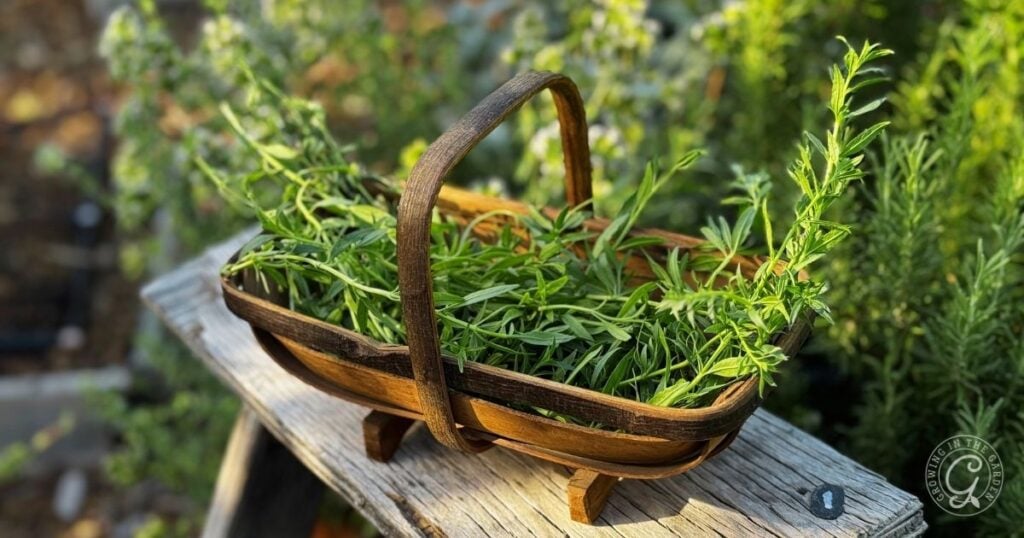
Looking for a low-maintenance, fragrant herb that’s both beautiful and useful? Hyssop (Hyssopus officinalis) is a Mediterranean native known for its blue-purple flowers that pollinators love and the ability to thrive in tough growing conditions. In this guide, I’ll walk you through how to grow hyssop, when to plant it, and how to harvest it for tea or medicinal use.
What We Will Cover
- What is Hyssop?
- When to Plant Hyssop
- How to Grow Hyssop
- Growing Hyssop in Containers
- Hyssop Companion Plants
- Benefits of Hyssop
- Harvesting, Drying, and Using Hyssop
- Is Hyssop a Perennial?
- Can I Propagate Hyssop?
- Hyssop FAQ
What Is Hyssop?
Hyssop is a woody, shrubby herb in the mint family. Traditionally used in herbal medicine and teas, it also brings color and fragrance to the garden. Its upright growth habit, narrow leaves, and bright blooms make it a favorite for both herb and pollinator gardens. While it’s sometimes confused with anise hyssop (Agastache foeniculum), the two are different species with distinct flavors and growing preferences.
Learn more about pollinator-friendly herbs in this guide to companion planting with herbs.
When to Plant Hyssop
Hyssop is easy to grow from seed, transplants, or divisions. Plant it during the mild seasons of spring or fall to allow roots to get established.

General Planting Guidelines
- Start seeds indoors: Late winter, about 6–8 weeks before your last frost date
- Transplant or direct sow outdoors: After danger of frost has passed
- Zones: Hardy in USDA zones 4–9
Low Desert Planting Dates (Zones 9–10)
Looking for more region-specific advice? Check out my Low Desert Herb Planting Guide.
How to Grow Hyssop
Light Requirements
Hyssop thrives in full sun (at least 6–8 hours a day). In hotter regions like the low desert, it appreciates some afternoon shade during the peak of summer.
Soil Preferences
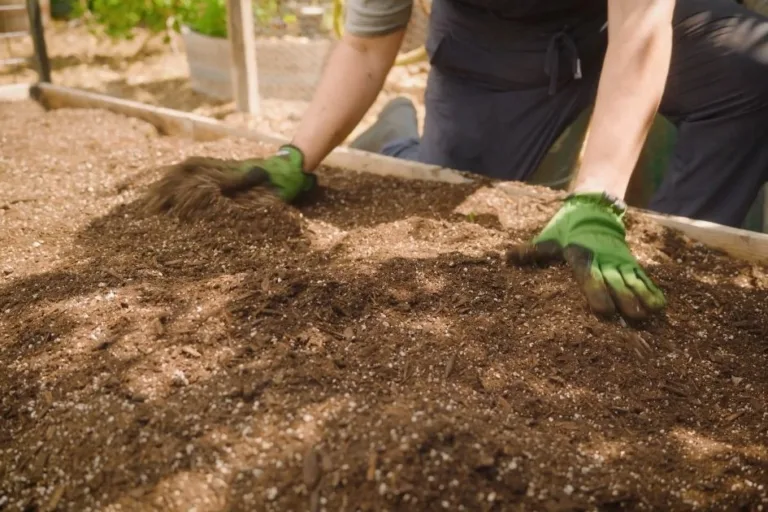
Hyssop thrives in well-drained soil and doesn’t need rich amendments, poor or rocky soil actually enhances its aromatic oils. Good drainage is essential. I once planted it in a raised bed that sits in a low spot in my garden, and it didn’t survive. The area stayed too soggy after watering, and the plant quickly rotted and died.
Watering Tips
Hyssop is drought-tolerant once established and prefers deep, infrequent watering. Allow the soil to dry out between waterings (especially in the ground). For container-grown plants or during hot weather, check the top couple of inches of soil before watering. If it still feels hydrated, it’s best to wait.
Maintenance
Prune hyssop occasionally to remove spent flower heads and encourage new growth. If you cut back more than a third of the plant, feed lightly with compost to support recovery. Over time, plants can become woody, consider replacing them every 4–5 years for best performance.
Growing Hyssop in Containers
Hyssop grows well in containers and is a good option if your garden soil doesn’t drain well. Choose a pot that’s at least 10–12 inches deep with drainage holes to prevent soggy roots.
Use a light, well-draining soil mix. Container-grown plants dry out more quickly than those in the ground, especially in warm or windy conditions. Water thoroughly, but only when the top couple of inches of soil feel dry.
In colder climates, bring containers indoors or into a protected spot over winter. In hot climates like the low desert, move pots to a spot with afternoon shade during the hottest months to reduce stress.
Hyssop Companion Plants
Hyssop pairs well with other Mediterranean herbs that thrive in dry, sunny conditions. These herbs share similar growing needs and create a beautiful, aromatic herb garden when planted together. (Click on each herb to read the full growing guide):
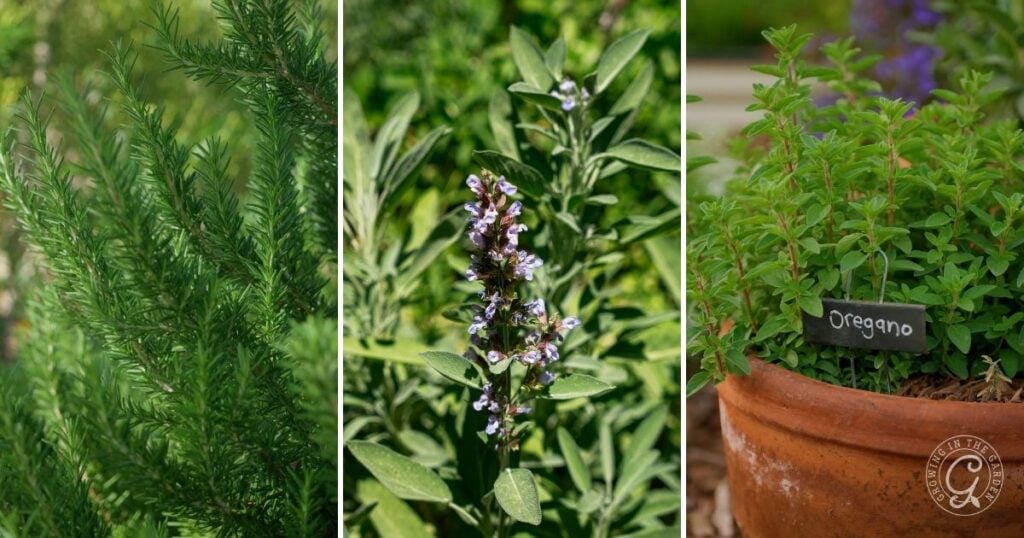
Hyssop is also a great addition to pollinator and vegetable gardens. Its strong scent helps deter some pests, and its nectar-rich blooms attract bees, butterflies, and other beneficial insects.
For more ideas, read this guide on planting for pollinators and creating an insectary border.
Benefits of Hyssop
Beyond its beauty and fragrance, it offers a few practical benefits:
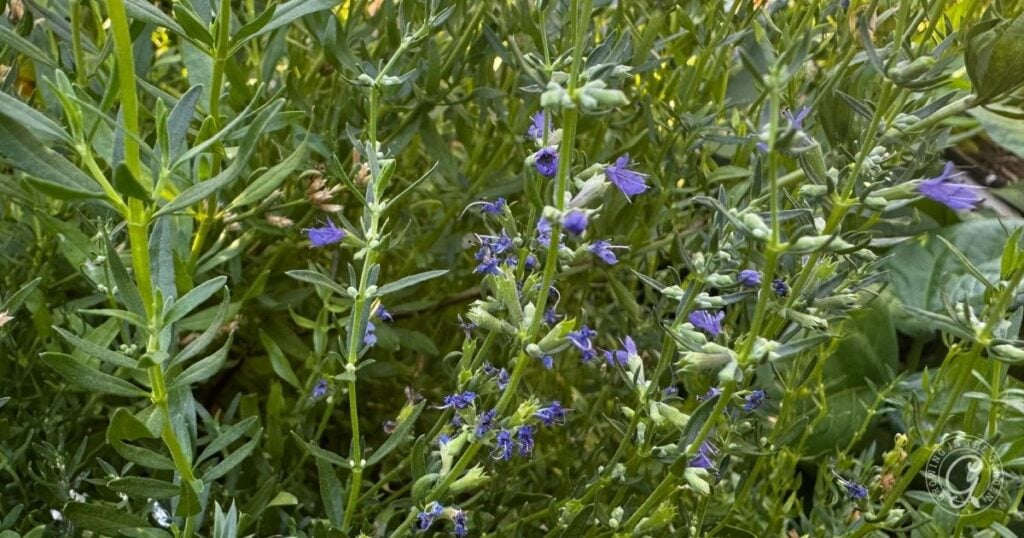
- Pollinator magnet: Loved by bees, butterflies, and hummingbirds
- Medicinal uses: Traditionally used for sore throats, coughs, and digestion
- Culinary uses: Add to soups, salads or tea
- Ornamental value: Striking flower spikes throughout the warm season
Want more pollinator-friendly herbs? Check out these cool-season companion plants.
Harvesting, Drying, and Using Hyssop
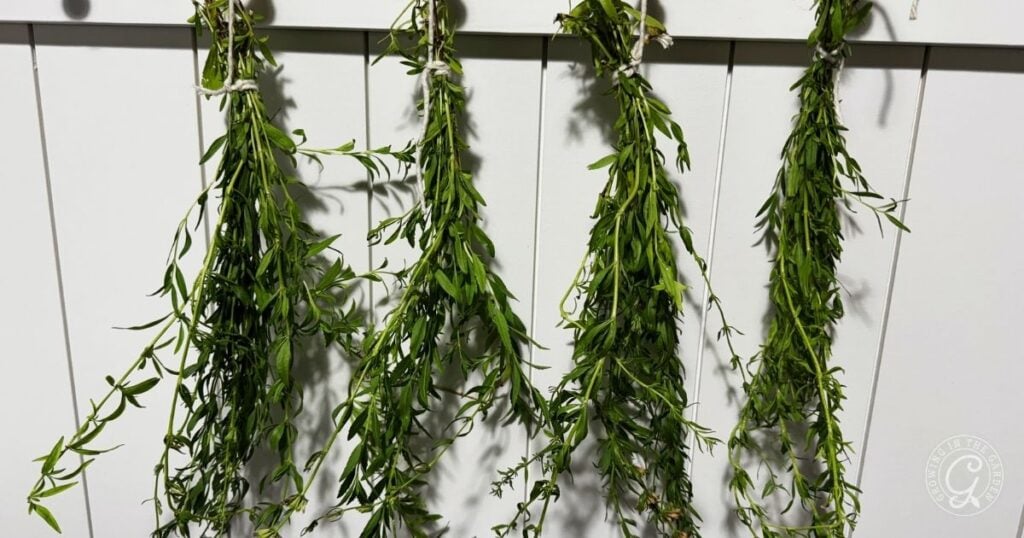
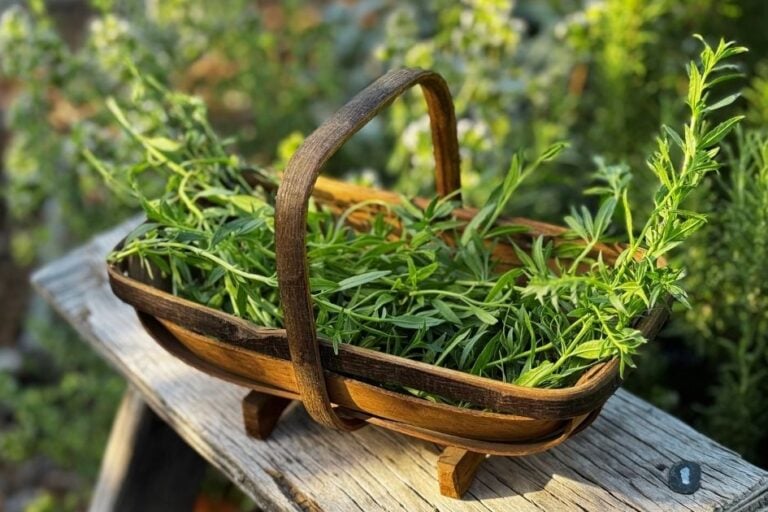
Cut stems just as the flowers begin to bloom for the best flavor and potency. The green, leafy growth appears along a woody stem, which makes it easy to strip off the tender leaves and use only the soft portions.
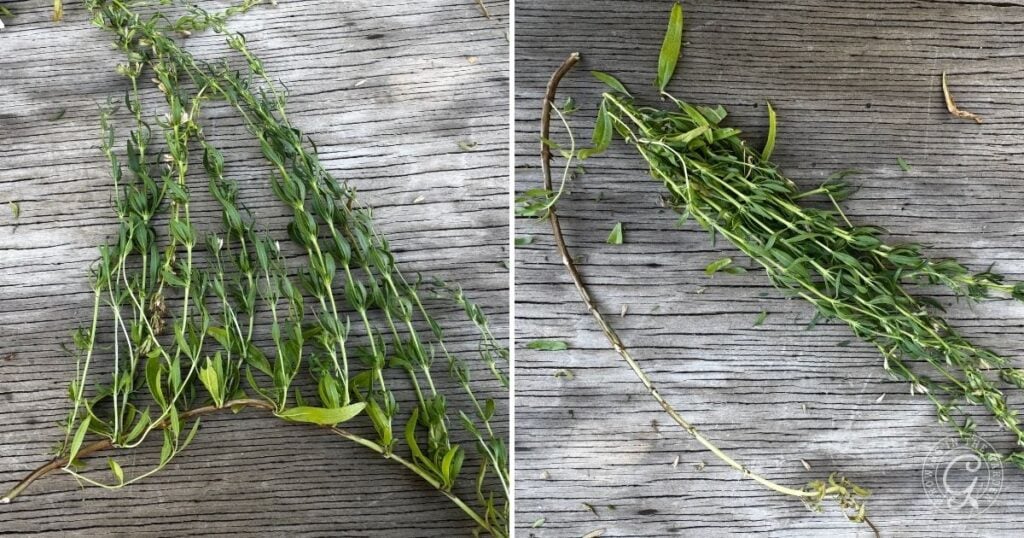
Use fresh, or bundle and hang upside down to dry in a well-ventilated, shaded area. Once dry, store leaves in an airtight container away from light. The leaves have a strong medicinal odor so experiment when adding it to food to make sure you like it.
- Tea is a classic way to use dried leaves, especially for soothing the throat.
- A poultice of fresh ground leaves is said to promote the healing of wounds and bruises.
- Use fresh leaves to flavor green salad, chicken soup and poultry stuffing.
Is Hyssop a Perennial?
Yes, it is a hardy perennial in zones 4–9 and often survives mild winters. In colder climates, mulch around the base to protect roots from deep freezes. In the low desert, hyssop often slows growth in summer but bounces back with fall weather.
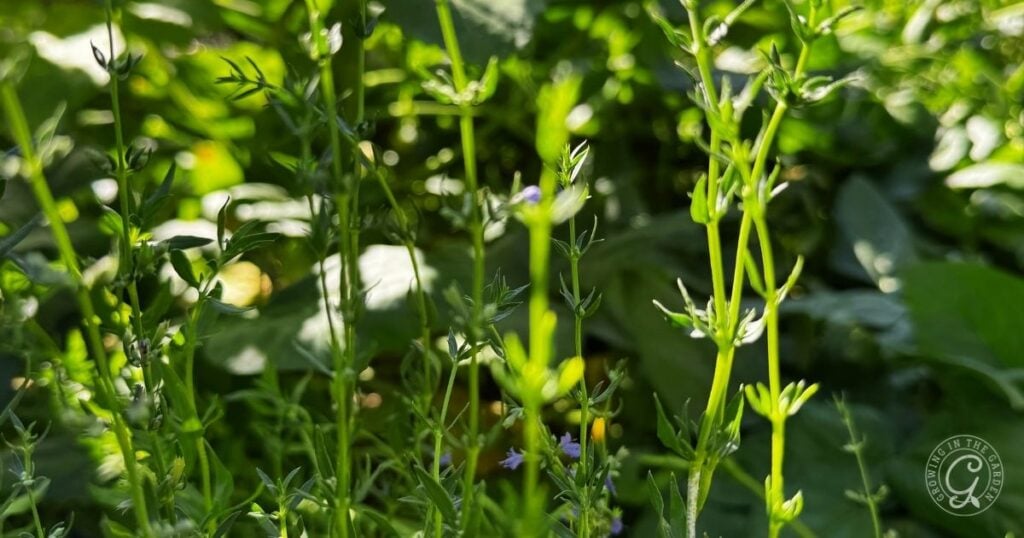
Trim back over wintered (or over-summered) plants by about one third to reinvigorate and encourage new growth during spring and fall.
Can I Propagate Hyssop?
Absolutely. Besides growing from seed, it can be propagated by:
- Cuttings: Take softwood cuttings in spring or early summer
- Division: Dig and divide mature clumps in early spring or fall
Hyssop FAQ
When is the best time to plant hyssop in different climates?
Start seeds indoors in late winter, and plant outside after the last frost. In warm regions like the low desert, start indoors December–February and transplant February–April.
Can I grow hyssop in containers or pots?
Yes! Just ensure the container has good drainage and don’t overwater.
Hyssop is in the mint family, is it invasive?
No. It is less competitive than other members of the mint family.
Does hyssop attract bees and pollinators?
Definitely. Bees, butterflies, and hummingbirds all love it.
How often should I water hyssop plants?
Let the soil dry out between waterings. Water less in cool weather and more often in extreme heat.
What are the best companion plants for hyssop in a herb garden?
Try lavender, rosemary, thyme, sage, and oregano.
Can hyssop grow in poor or rocky soil?
Yes, this herb prefers well-draining, rocky, or sandy soil.
How do I harvest and dry hyssop for tea or medicinal use?
Harvest before full bloom, dry bundles in the shade, and store in airtight containers.
What pests or diseases affect hyssop, and how do I treat them naturally?
Occasional mildew or pests like aphids. Treat with neem oil or attract beneficial insects.
Is hyssop a perennial or annual, and will it survive winter?
It is a perennial in most regions. Mulch in colder zones for extra protection.
Can I grow hyssop from cuttings or divisions?
Yes, it is easy to propagate using softwood cuttings or by dividing mature plants.
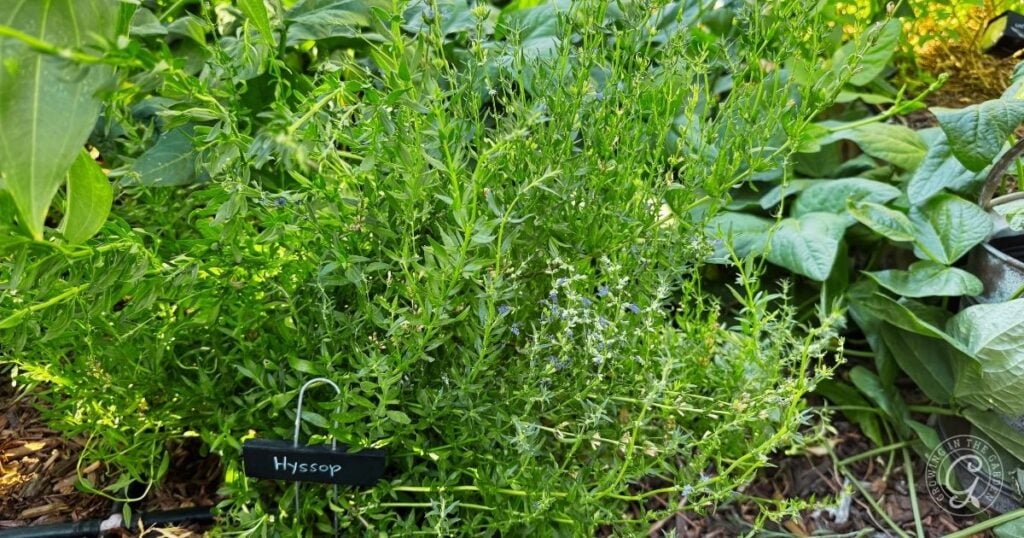
Hyssop is a resilient, useful herb that adds color and life to your garden while offering culinary and medicinal uses. Whether you grow it in the ground or a container, it rewards you with low-maintenance beauty all season long.
Want to grow more herbs like this? Check out my guide to 10 perennial herbs for hot climates.
Source:
Rodale’s Illustrated Encyclopedia of Herbs, Rodale Press.

Leave a comment on How to Grow Hyssop: Planting, Care & Uses