
How to Grow Papalo From Seed
If you’re looking for a flavorful cilantro alternative for hot climates, papalo might be just what your garden needs. Known as papaloquelite or summer cilantro, this herb is a heat-loving Mexican herb similar to cilantro but with a much stronger aroma and flavor. Knowing when to plant and how to care for papalo is key. It’s not subtle, but if you enjoy bold herbs, harvesting papalo might be your favorite!
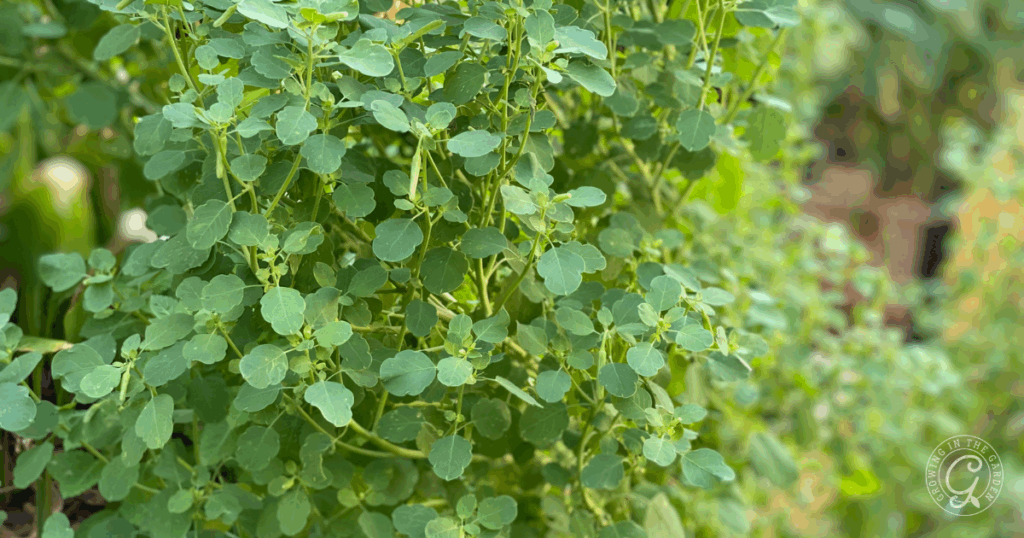
Papalo is rarely sold as a transplant, so growing it from seed is the best way to add it to your garden. In this post, I’ll walk you through everything you need to know to grow papalo from seed, especially if you garden in a hot, dry climate like Arizona.
What we will Cover
What Is Papalo?
Papalo (Porophyllum ruderale) is a traditional herb in Mexican and Central American cuisine. While it’s often compared to cilantro, the two are unrelated. Cilantro bolts quickly in the heat, but papalo thrives in it. If you’ve missed the flavor of cilantro during the summer, it is worth a try. You can also check out my guide to how to grow cilantro for tips if you’re planting both.
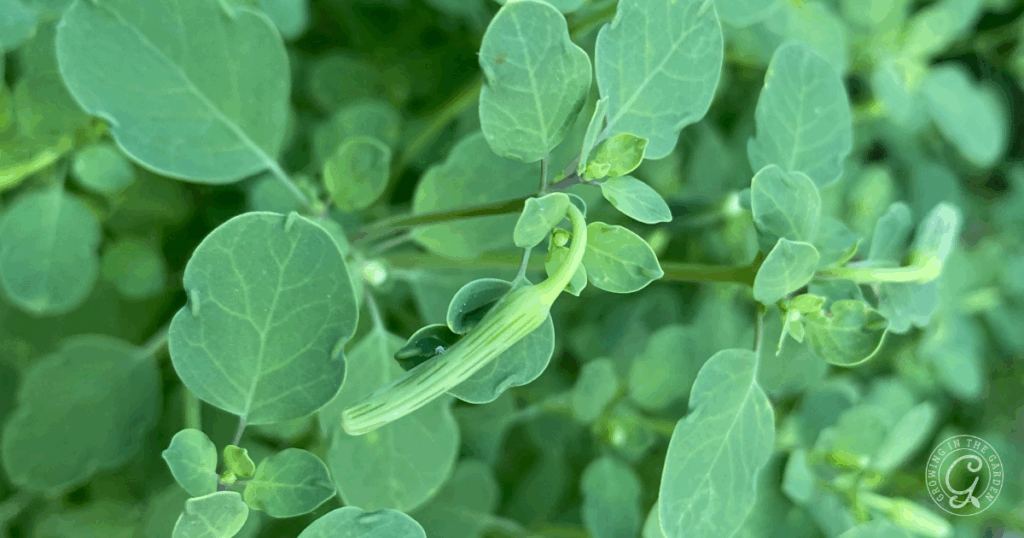
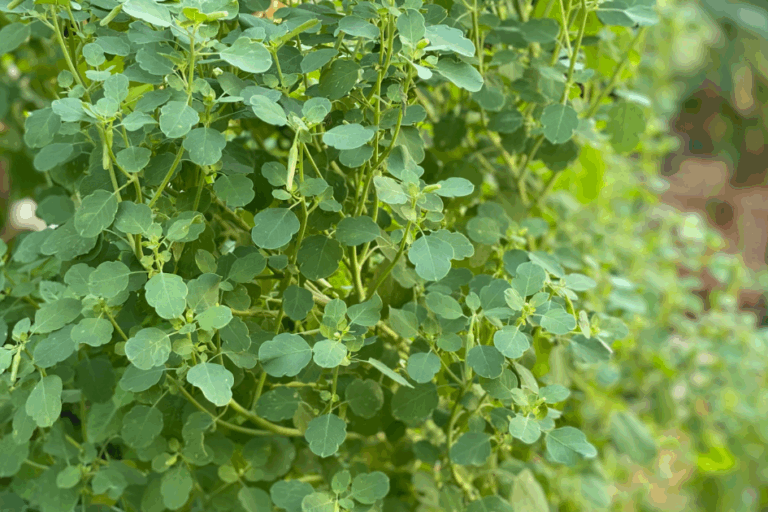
The leaves are flat, round, and slightly blue-green. Brushing against the plant releases a strong, distinctive scent that tends to linger. I’ll warn you now: once you handle it, you might be smelling it for the rest of the day. I don’t mind it, and my chickens absolutely love it.
What to Know About Papalo Seeds
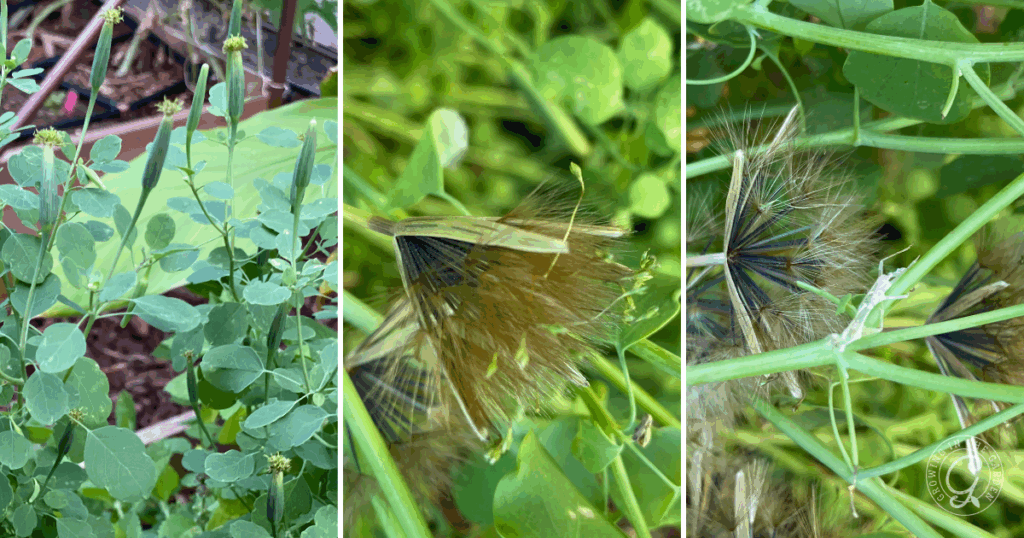
Papalo seeds are unlike typical herb seeds. Botanically speaking, it produces achenes, a type of dry fruit that doesn’t split open. Each seed is enclosed in a papery casing with a feathery pappus (it looks like a parachute). This structure helps the seed disperse on the wind, much like a dandelion.
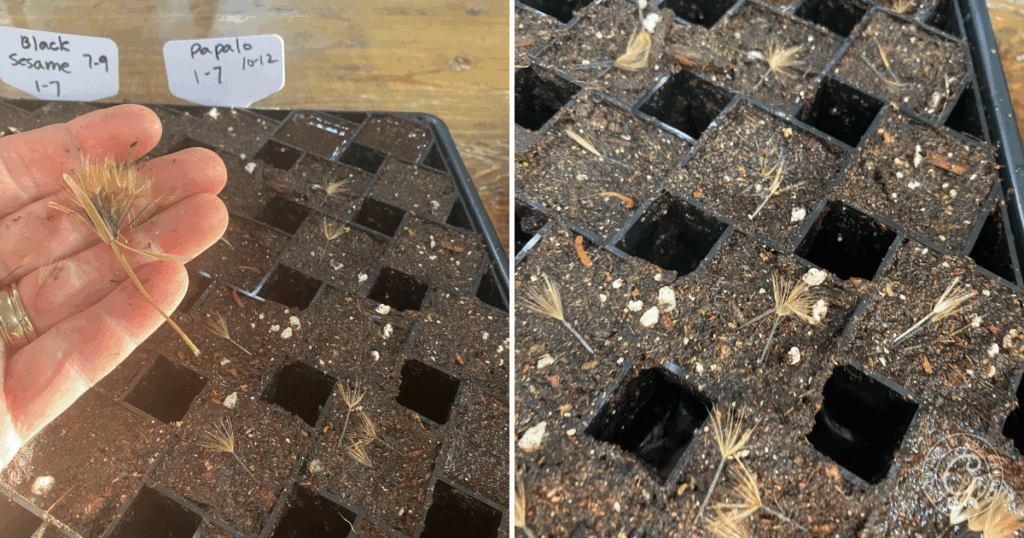
Some gardeners (including me) believe germination improves when the seed’s “parachute” is left intact. There’s no published data to confirm this, but anecdotally, it seems to help, so I leave it on. Regardless, papalo often has a low and slow germination rate, so don’t give up too soon.
Use fresh seed each season for the best results. Older seed can lose viability quickly. Sow seeds about ¼ inch (6 mm) deep and keep the soil consistently moist until sprouts appear—this may take 10 to 21 days or even longer.
Once the seedlings are up, papalo grows well. But getting to that point takes a little patience.
When to Plant Papalo
Papalo is a warm-season herb that prefers soil temperatures around 70 to 90°F (21 to 32°C). It grows best when days are long and hot.
In most climates:
- Start seeds indoors 6 to 8 weeks before your last frost.
- Transplant outdoors once the weather warms and all danger of frost has passed, usually late spring.
In the low desert (Zones 9 and 10):
Because papalo likes heat, you can also direct sow it once the soil warms up. It doesn’t mind summer heat like many other herbs do. If you’re planning a summer herb garden, I also recommend checking out my post on herbs that thrive in hot climates.
How to Plant Papalo
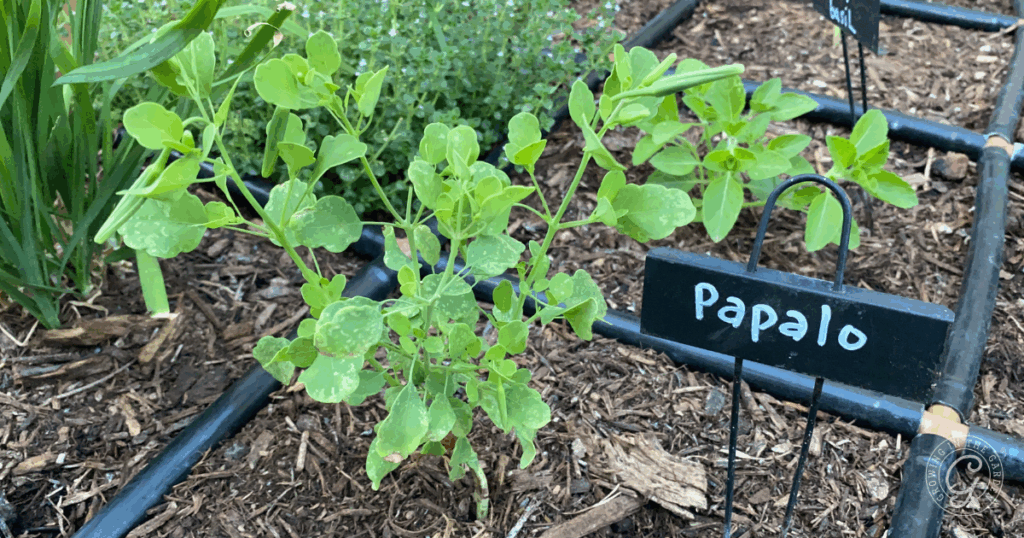
Choose a spot with full sun. Papalo needs at least 6 to 8 hours of direct sunlight each day. It tolerates extreme heat well but may get leggy in partial shade.
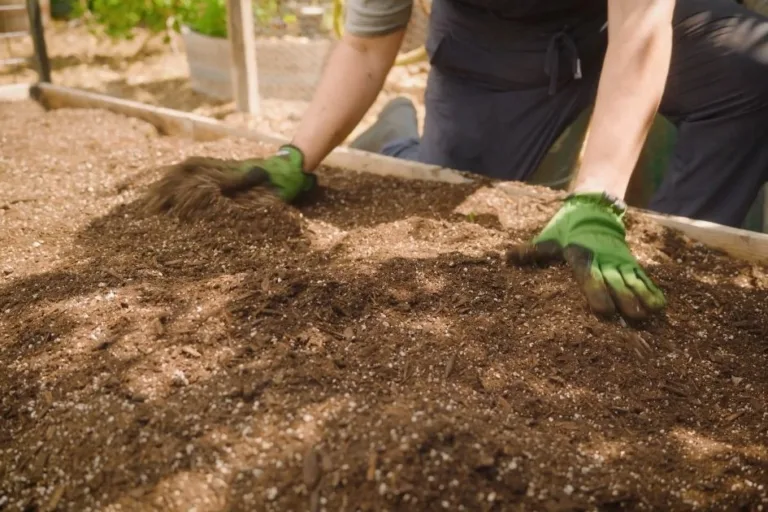
- Soil: Use well-draining soil with plenty of organic matter. Avoid heavy or waterlogged areas.
- Spacing: Plant one per square foot (30 x 30 cm) or space 12 to 18 inches (30 to 45 cm) apart in traditional beds.
- Planting depth: Sow seeds about ¼ inch (6 mm) deep.
- Germination: Be patient. The seeds can take 10 to 14 days or longer to sprout.
If you’re new to gardening in a hot climate, I have a full guide to gardening in the desert that can help you set up your garden for success.
Papalo Plant Care Tips
It is a relatively low-maintenance herb once established. Here are a few key things to keep in mind:
- Watering: Water deeply but infrequently. Once the plant is established, let the top inch or two of soil dry out between waterings.
- Fertilizer: If your soil is rich in compost and organic matter, your herb may not need extra fertilizer. However, a monthly application of diluted liquid fertilizer can boost growth.
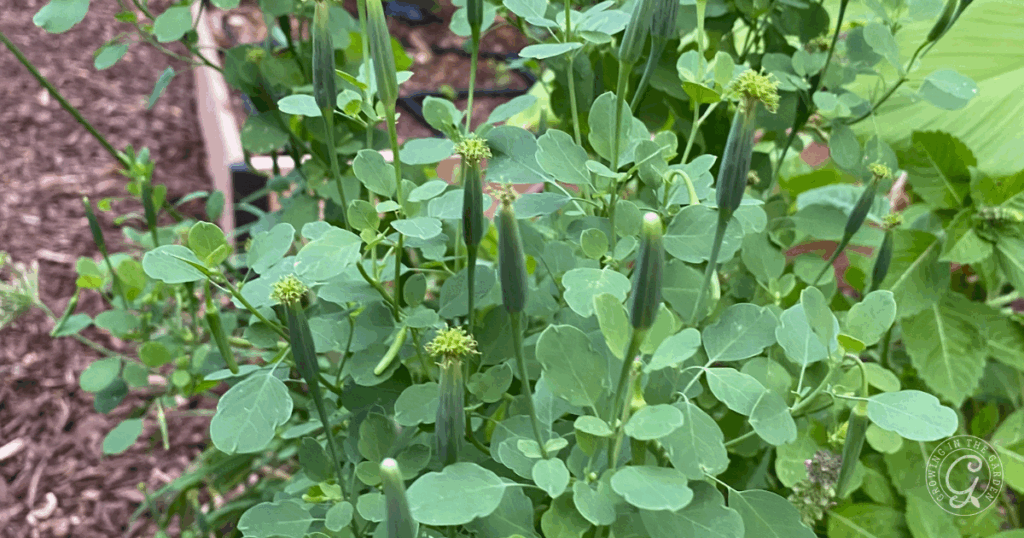
- Pruning: Pinch or cut back regularly to encourage bushy growth and delay flowering. If it’s left alone, it can grow tall and produce flowers quickly, which slows leaf production.
- Support: Tall plants may flop over in wind or rain. Use a stake or small cage if needed.
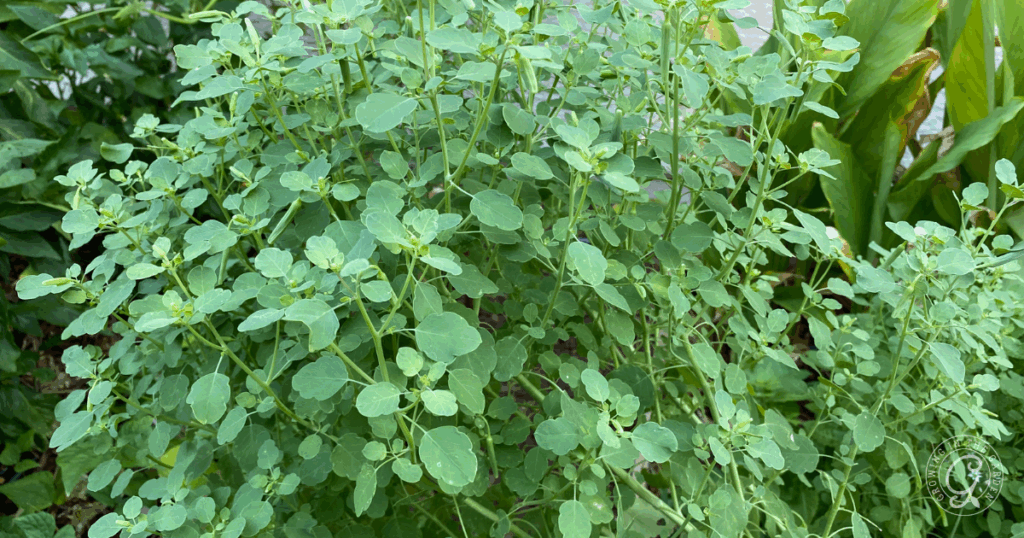
Mulching around the base of the plant helps retain moisture and keeps roots cool during extreme heat. This is especially helpful in containers or raised beds.
Harvesting and Using Papalo
You can begin harvesting once the plant is about 3 to 4 inches (7.5 to 10 cm) tall. Use scissors or garden snips to cut leaves as needed.
- Harvest a few leaves at a time, never more than one-third of the plant.
- The flavor intensifies as the plant matures, so start slow if you’re new to growing this herb.
Papalo has a bold, peppery, and slightly citrusy flavor. A little goes a long way, so try it in small amounts at first.
Use fresh in:
- Tacos and quesadillas
- Salsas and guacamole
- Fresh salads
- Cemita sandwiches
- Soups and stews (add at the end)
The leaves don’t dry well, so enjoy it fresh during the growing season.
Saving Seeds from Papalo
Once your plant flowers, it will produce seed heads similar to dandelions. Let the flowers dry completely on the plant, then gently collect the fluffy seeds.
- Store in a labeled envelope in a cool, dry place.
- Use the seeds the following year for best results.
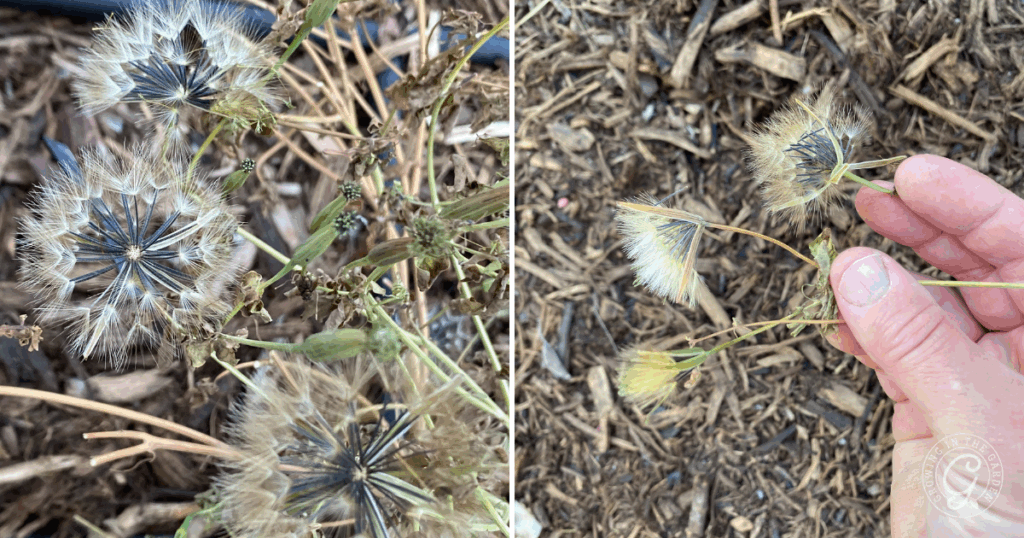
Papalo often reseeds itself if left in the ground. You might find volunteers popping up next season.
FAQs About Growing Papalo
No. While they are used in similar dishes, they are unrelated plants with different flavors. Papalo is stronger, spicier, and more heat tolerant than cilantro.
Yes. Choose a pot that is at least 12 inches (30 cm) wide and deep. Make sure it has good drainage and use high-quality potting soil.
Papalo is frost sensitive. In most regions, it is grown as a summer annual. Protect it from frost or plan to replant each year.
Yes. Its strong scent may help repel some pests, and the flowers attract beneficial insects like bees and butterflies.
You’ll start harvesting within 4 to 6 weeks after planting. Regular harvesting keeps the plant producing longer.
Add Papalo to Your Garden This Season
If you’re looking for a heat-loving herb that brings bold, unique flavor to your cooking, papalo is worth growing. It thrives in hot climates where cilantro struggles, making it a great choice for summer gardens. With a little patience at the seed stage and regular pruning, papalo will reward you with flavorful leaves all season long. If you want to try something new, give it a spot in your herb garden this year.

Leave a comment on How to Grow Papalo From Seed