
How to Plant Tomatoes: A Step-by-Step Guide
There’s nothing like the taste of a homegrown tomato. Planting them the right way is the first step toward a healthy, productive season. In this step-by-step guide, I’ll show you exactly how to plant tomatoes so you can grow strong, healthy plants that produce all season long. Let’s get started.
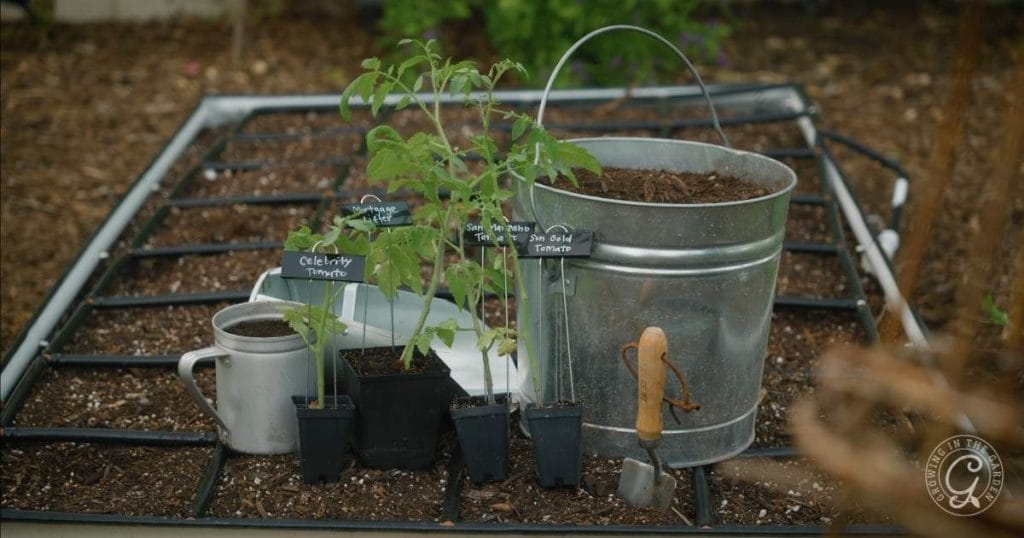
What We Will Cover:
- Choose Healthy Tomato Transplants
- Amend the Soil Before Planting Tomatoes
- Select a Sunny Location
- Provide Support for Tomatoes
- Prepare the Planting Hole
- Plant Tomatoes Deeply
- Fill and Water
- Remove Early Tomato Blossoms and Add Mulch
- Monitor Young Plants
- Bonus Tip: Add Companion Plants
- More Tomato Growing Resources on My Blog:
Choose Healthy Tomato Transplants
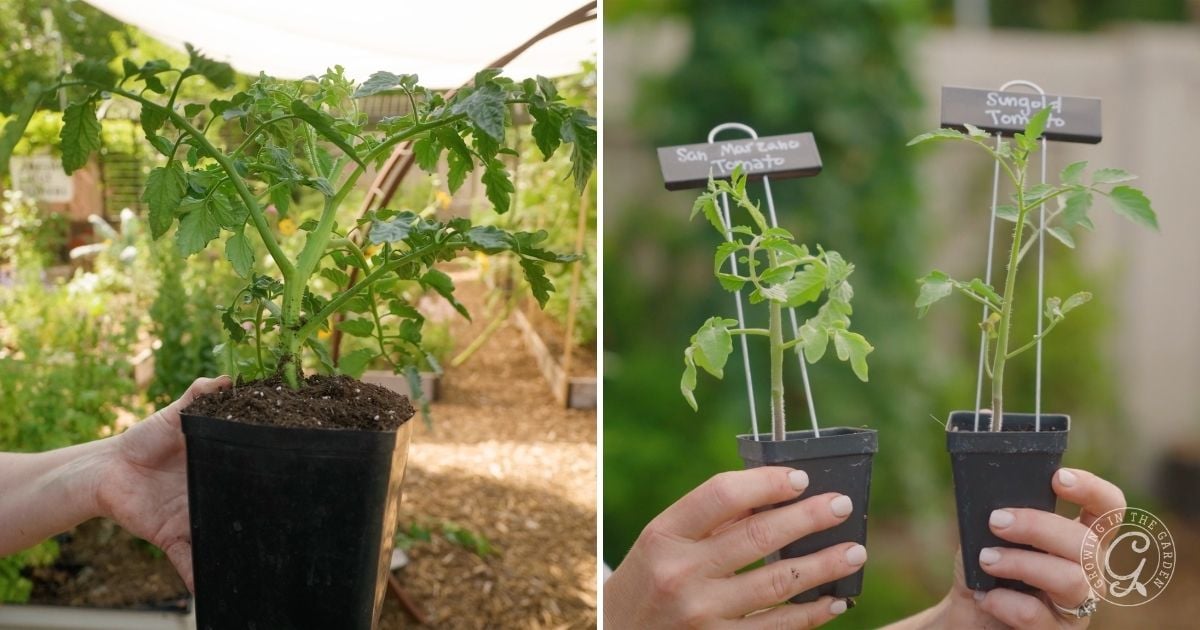
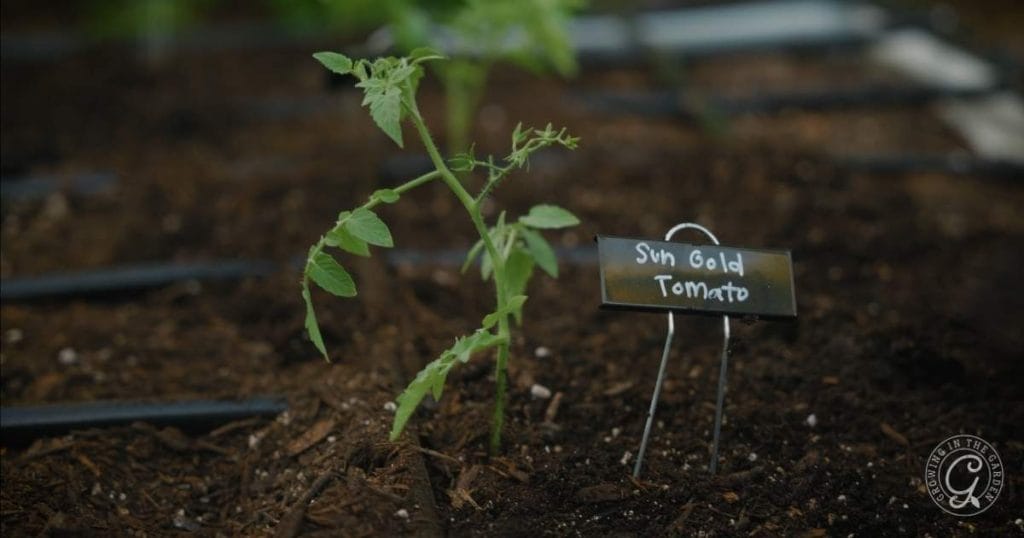
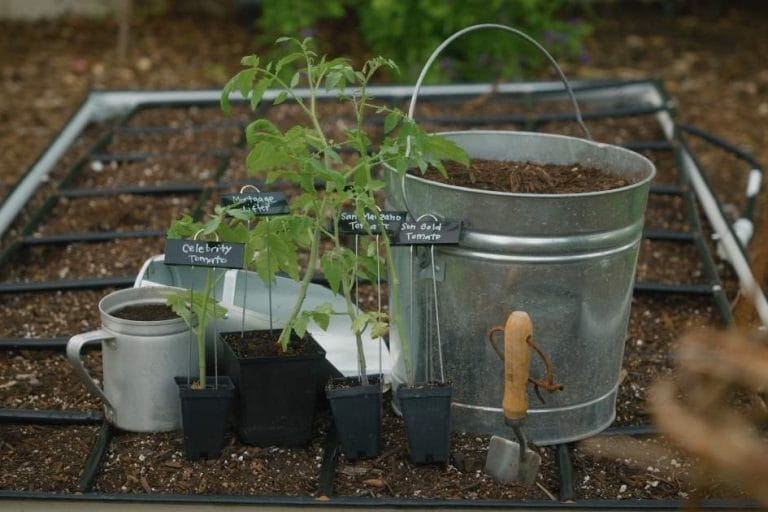
Start with strong, healthy tomato transplants. Look for plants with vibrant green leaves, a thick, sturdy stem, and no signs of pests or disease. Avoid transplants that are leggy, have yellowing leaves, or are already flowering.
If you started your own tomato plants from seed, be sure to harden them off properly before planting to reduce transplant shock. Learn how to harden off transplants in this blog post.
If you’re planting when temperatures are still hot (like during Arizona’s fall planting window), choose larger transplants with a well-developed rootball. These plants are more resilient in the heat—their roots can reach deeper moisture and are less likely to dry out quickly.
If you’re gardening in Arizona or another hot climate, choosing the right variety is key to success. Some types of tomatoes struggle in extreme heat. Read this guide to find the best tomato varieties for the desert.
Tip: Look for determinate varieties for earlier harvests, or heat-tolerant indeterminate types for longer production during Arizona’s two growing seasons.
Amend the Soil Before Planting Tomatoes
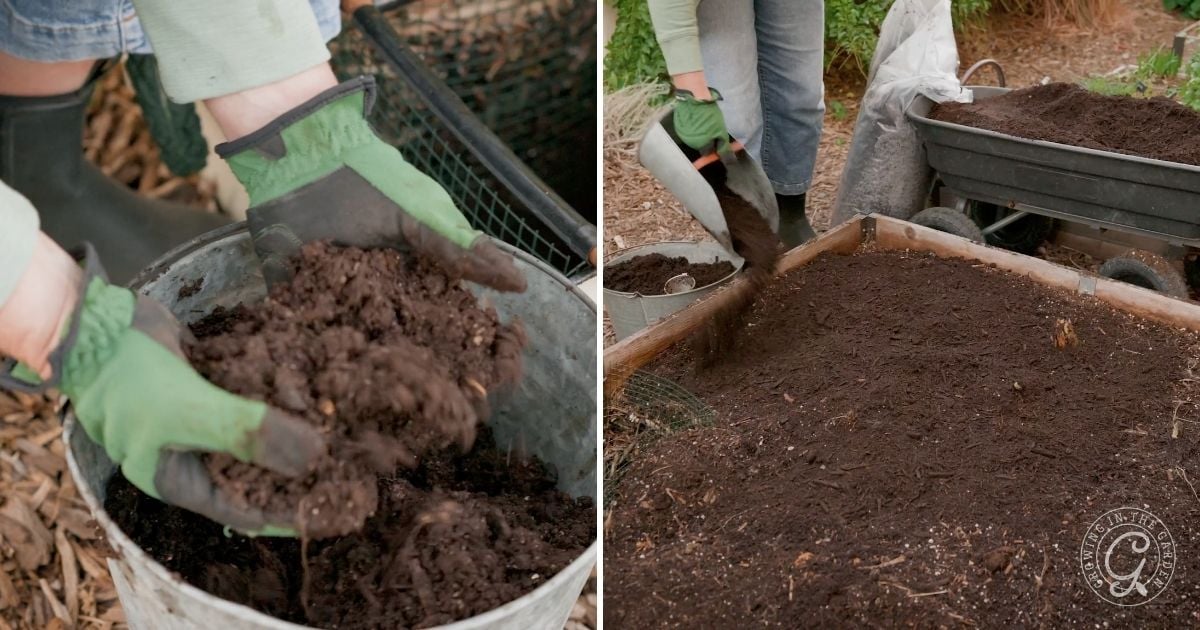
Tomatoes are heavy feeders, so preparing the soil is essential for a healthy, productive plant.
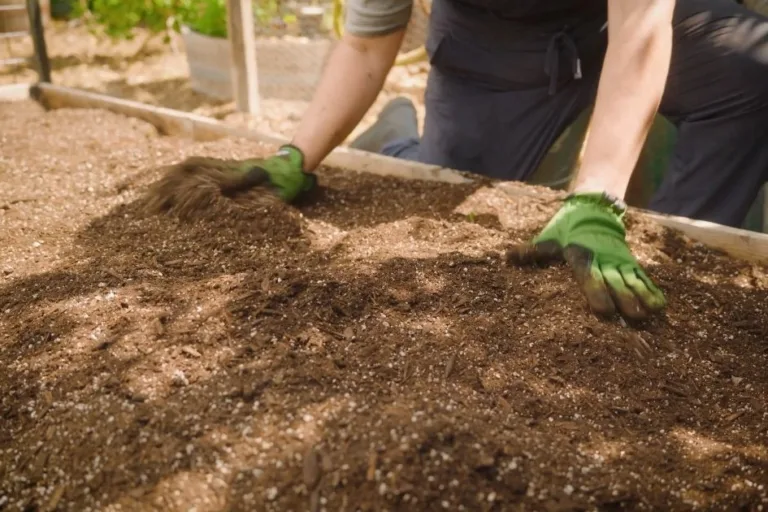
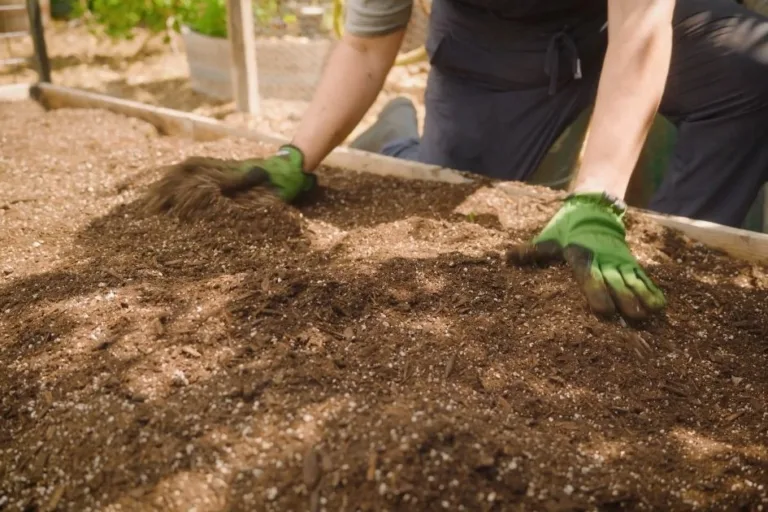
Before planting, top the planting area with a generous layer of worm castings and compost.
If your soil is low in nutrients, apply a balanced organic fertilizer and follow the package directions for application rates. This article explains more about how to prepare your soil for planting.
If you’re planting in raised beds or containers, starting with the right soil is key. Here’s my guide to the best soil mix for raised bed vegetable gardening.
Avoid overloading the soil with nitrogen-rich amendments. Too much nitrogen promotes leafy growth at the expense of fruit production. Choose a balanced fertilizer like 4-4-4 or 5-5-5 when amending soil for tomatoes
Select a Sunny Location
Tomatoes thrive in full sun. Choose a spot that receives at least 6 to 8 hours of direct sunlight per day. Sunlight is essential for flowering and fruit production.
If you’re planting monsoon-season tomatoes, pay close attention to the angle of the sun. As fall approaches and days get shorter, areas that were once sunny may become shaded. Even though it’s still hot, plant in your sunniest location to give your tomatoes enough light to keep producing into fall and early winter. You can always provide temporary shade during the hottest part of the day if needed.
Also consider frost pockets. Are there areas in your yard more prone to freezing? Avoid those for fall-planted tomatoes if you hope to extend your harvest.
For spring-planted tomatoes, look for a location that gets strong morning sun and possibly some afternoon shade, especially in hot climates like Arizona.
It’s also important to rotate your tomato planting area each season. Growing tomatoes in the same spot year after year can lead to a buildup of soil-borne pests and diseases.
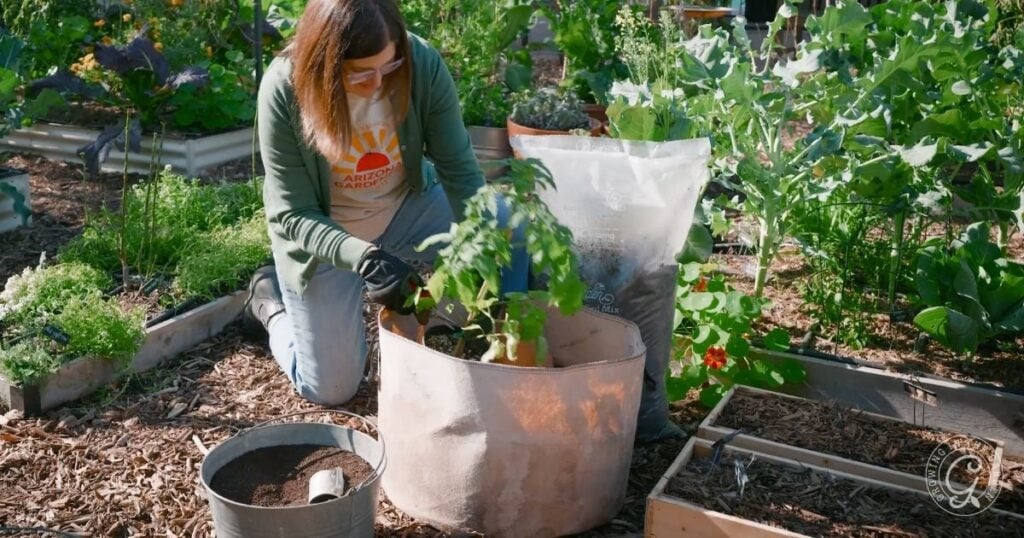
Tip: In small gardens, consider growing tomatoes in large containers or raised beds that can be moved or adjusted to maximize sunlight and minimize the risk from cold snaps.
Provide Support for Tomatoes
Tomatoes are vining plants that need support to grow well. Without it, branches can break under the weight of the fruit, and foliage that touches the soil is more prone to disease.
Indeterminate tomatoes grow tall and need a strong, tall trellis or cage to stay upright and productive. Determinate varieties like Roma are more compact and often do well with a large tomato cage.
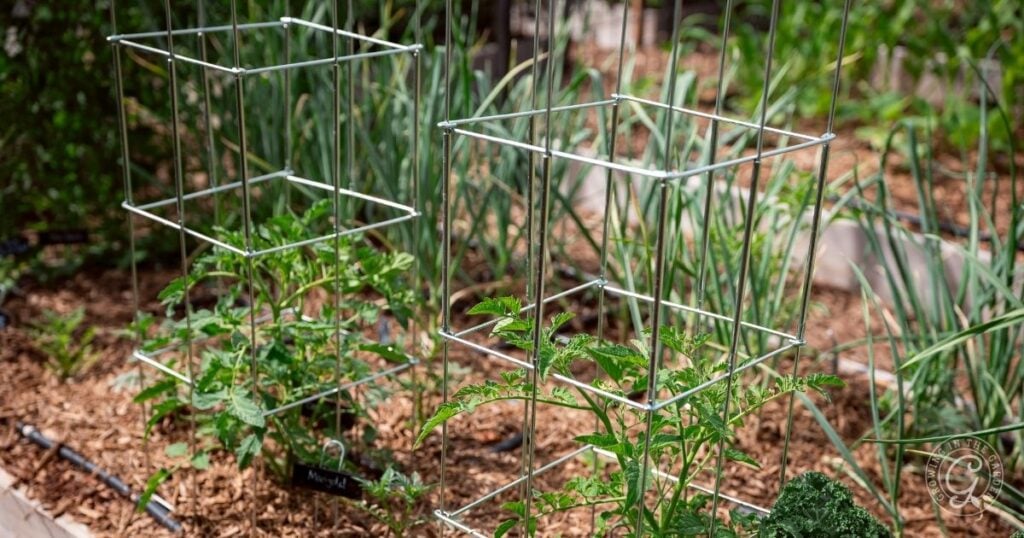
I use the Garden in Minutes Tomato Cages in my garden. They are tall, sturdy, and can be used in raised beds, in-ground gardens, and containers. They fold flat for easy storage and last for years. Use code Angela10 to save $10 off orders over $100, or code ANGELA to save 7% on any order.
Providing support early keeps plants growing upright and makes pruning, harvesting, and checking for pests easier throughout the season. Install supports at the time of planting if possible to avoid damaging roots later.
Give Tomatoes Enough Room to Grow
Space tomato plants about 2 feet (60 cm) apart to give them room to grow and spread. Good spacing improves air circulation, which helps prevent issues like powdery mildew and other fungal diseases.
Crowded plants are more likely to develop problems and are harder to prune, water, and harvest.
Tip: In smaller spaces or container gardens, pruning lower leaves and using vertical supports can help maximize airflow and reduce disease risk even if spacing is tight.
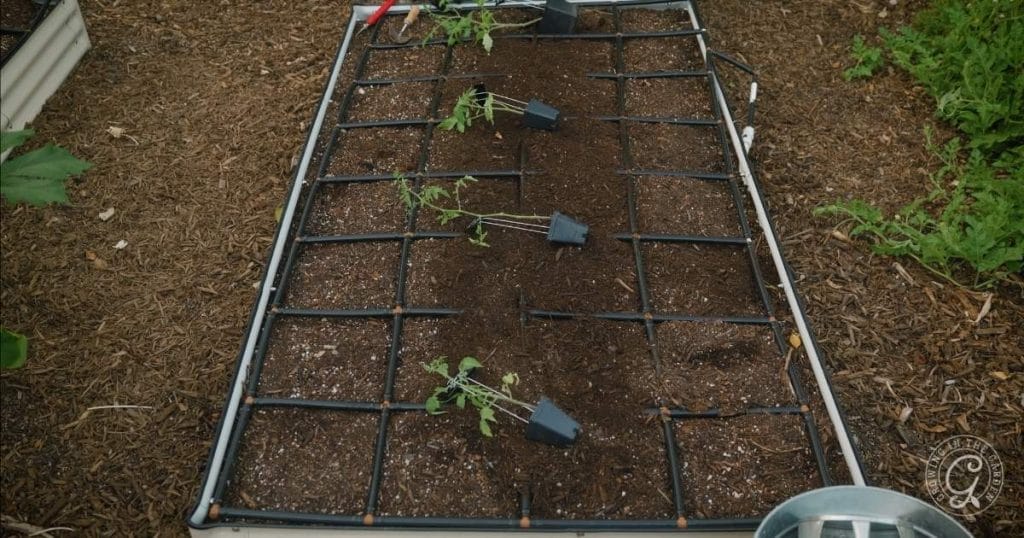
Prepare the Planting Hole
Tomatoes develop roots along their buried stems, so planting deeply helps create a stronger, more resilient plant. The soil should be at least 12 to 18 inches deep (30 to 45 cm) to support deep rooting and stable soil temperatures.
Dig a hole deep enough to bury the stem up to the top few sets of leaves. If your soil isn’t deep enough to plant vertically, lay the plant on its side in a trench and gently bend the top upward. Both methods encourage strong root development.
Plant Tomatoes Deeply
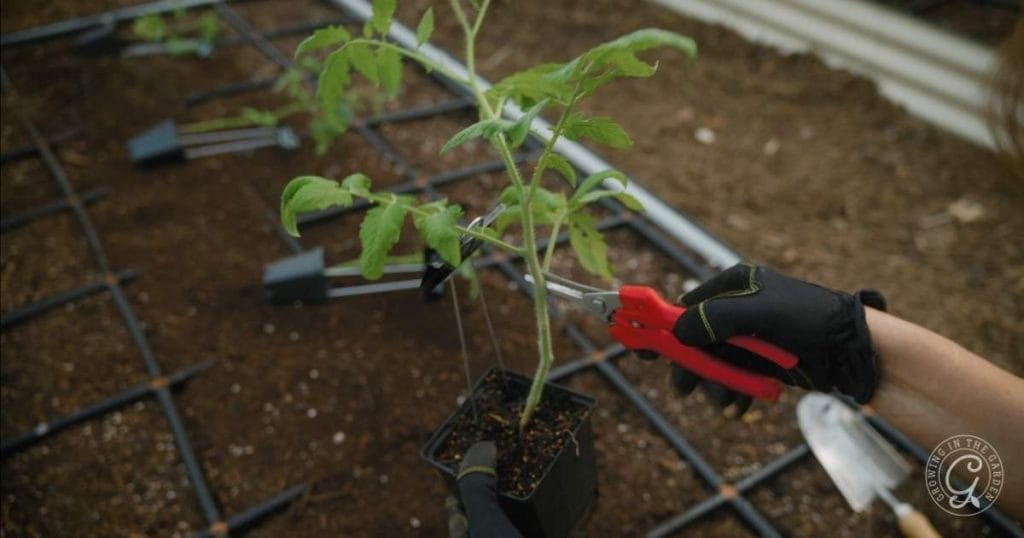
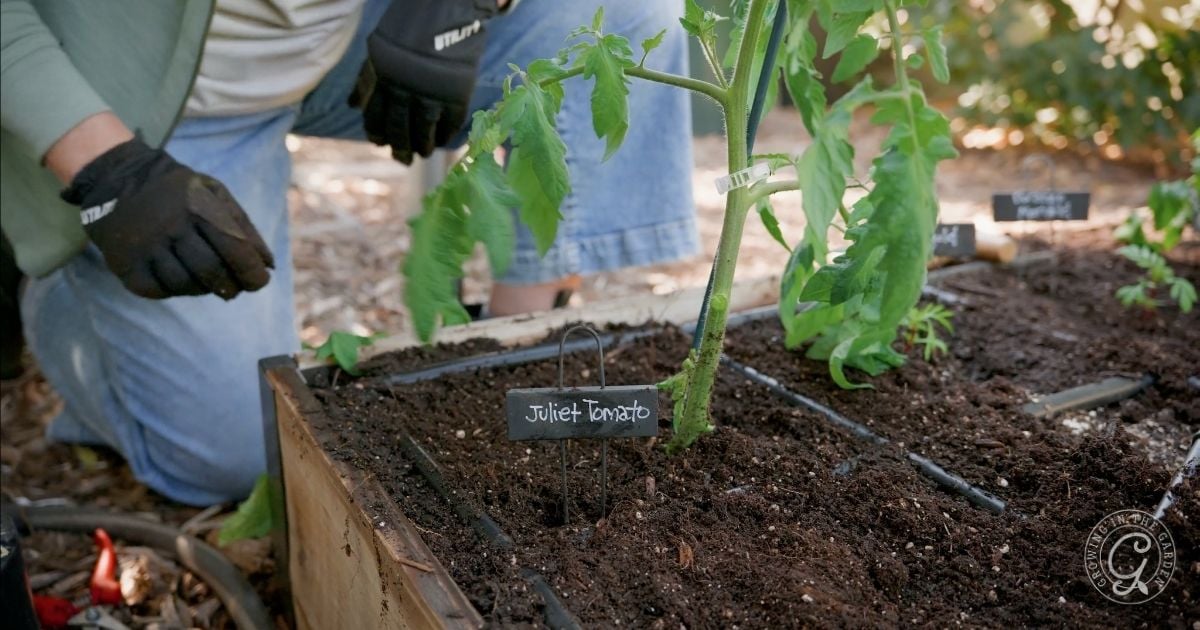
Before planting, remove the lower leaves from the transplant, leaving just the top few sets. Place the plant in the hole so that the stem is buried up to those remaining leaves.
Tomatoes form roots along the buried stem, which helps anchor the plant and improves its access to water and nutrients. Whether planting vertically or laying the stem sideways in a trench, deep planting leads to stronger, healthier plants.
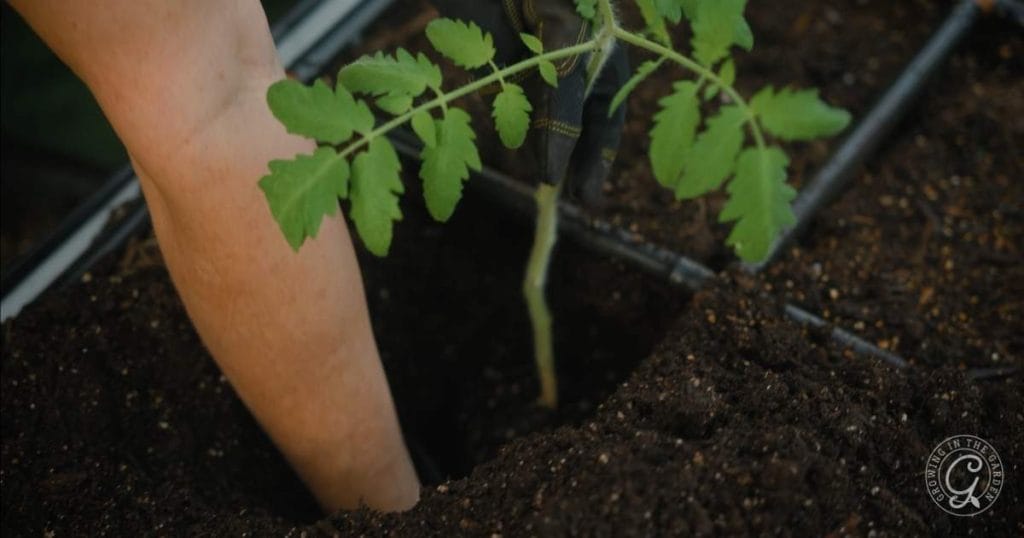
Tip: Gently firm the soil around the base after planting to eliminate air pockets and support the stem.
Fill and Water
After placing the transplant in the hole, fill it with the displaced soil, pressing gently to remove air pockets. Water thoroughly to help the plant settle in and ensure the roots make good contact with the soil.
Tip: In hot climates like Arizona, soil dries out quickly. It’s important to keep the root zone consistently moist while the plant is getting established.
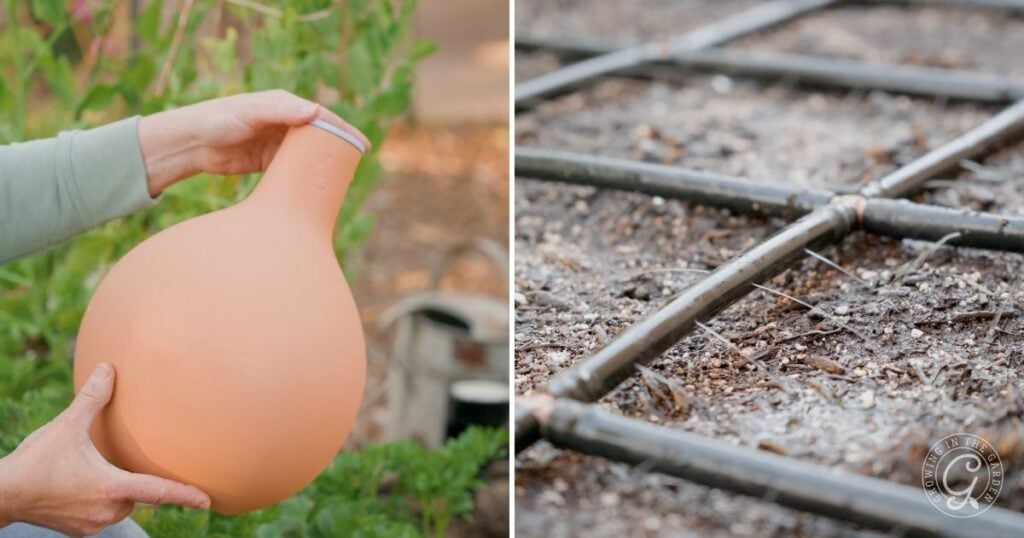
In containers, using an olla can help maintain even moisture. I use GrowOya ollas in my garden. In raised beds, I rely on the Garden in Minutes watering grids for even and efficient watering.
However you water, don’t let new transplants dry out. Monitor them closely for the first couple of weeks. Once you begin to see new growth, that’s a sign the plant is settling in. At that point, shift to deep, less frequent watering to encourage strong, deep root development.
Remove Early Tomato Blossoms and Add Mulch
As tempting as it is to let those first flowers develop, remove any blossoms during the first 2 to 3 weeks after planting. This allows the plant to put its energy into developing strong roots and healthy foliage, setting the stage for better production later in the season.
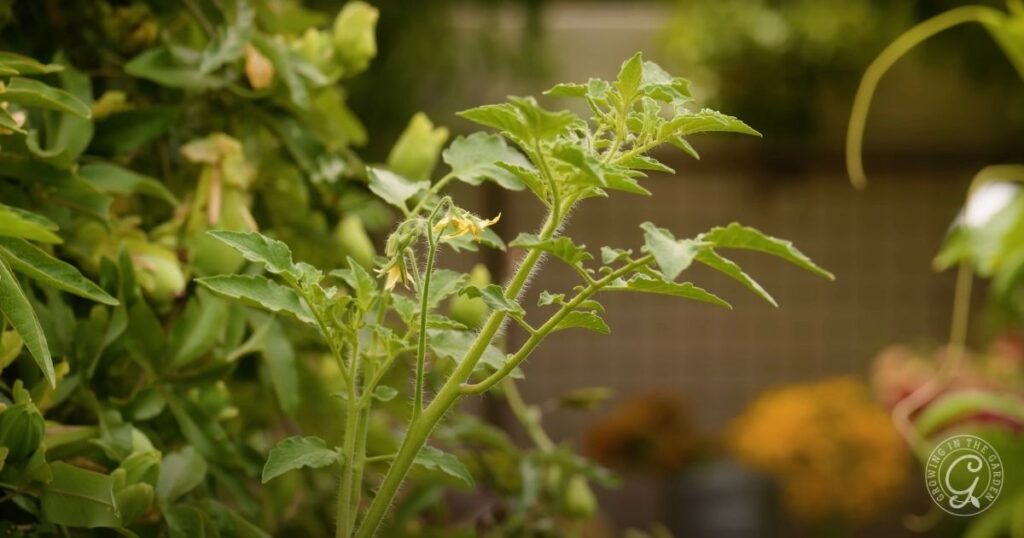
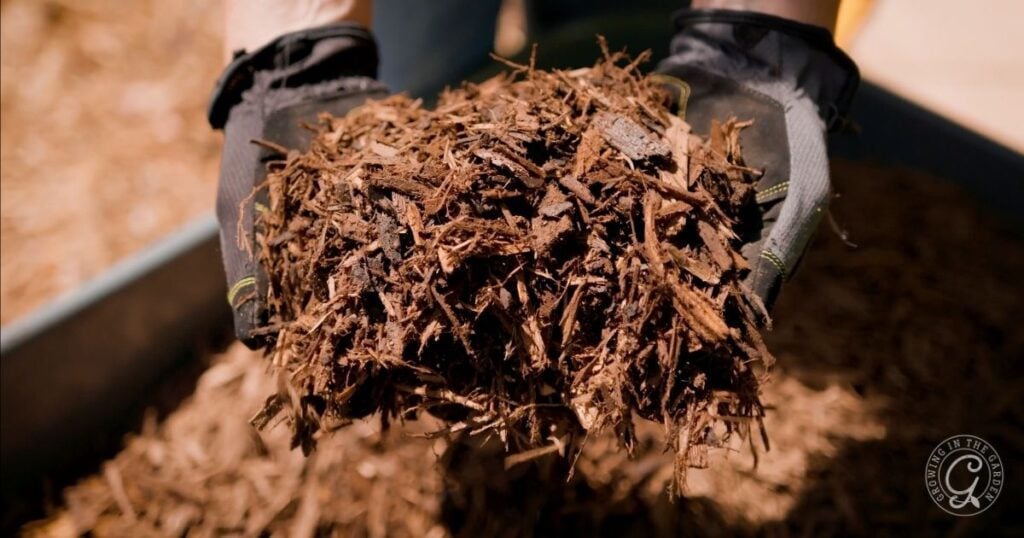
Once the plant is in and watered, add 2 to 3 inches (5 to 7.5 cm) of mulch around the base. Mulch helps retain moisture, regulate soil temperature, and reduce weed growth. Learn more about mulching in this article.
In hot climates, mulching is essential to help your tomato plants survive and thrive. Organic mulches like shredded leaves, straw, or pine needles work well and break down to improve the soil over time.
Monitor Young Plants
Once your tomatoes are planted, don’t walk away. The first few weeks are critical for helping them get established.
Water as needed, especially in hot or windy conditions. Watch for signs of stress like wilted leaves or sunscald, and provide temporary shade if planting during hot weather.
Keep an eye out for pests and disease. Early intervention can prevent bigger problems down the road.
Adjust or add support as the plant grows, and prune any damaged or yellowing lower leaves to improve airflow and reduce disease pressure.
As you begin to see new growth, it’s a good sign your tomato plant is adjusting well. From here, continue with regular deep watering, occasional feeding, and pruning if needed.
Bonus Tip: Add Companion Plants
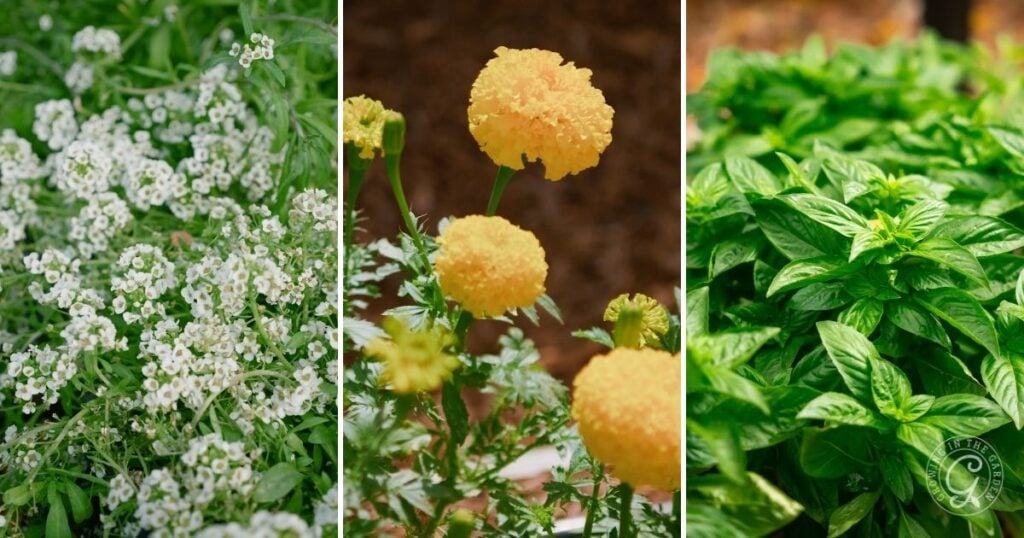
I love planting marigolds, alyssum, and basil around my tomatoes.
- Alyssum attracts beneficial insects like hoverflies that help keep pests in check.
- Marigolds help deter pests like nematodes and aphids.
- Basil not only grows well alongside tomatoes but may even improve their flavor.
Adding companion plants is a simple way to support pollinators, manage pests naturally, and make your garden more beautiful and productive.
Want to learn more? Read my guide to companion planting.
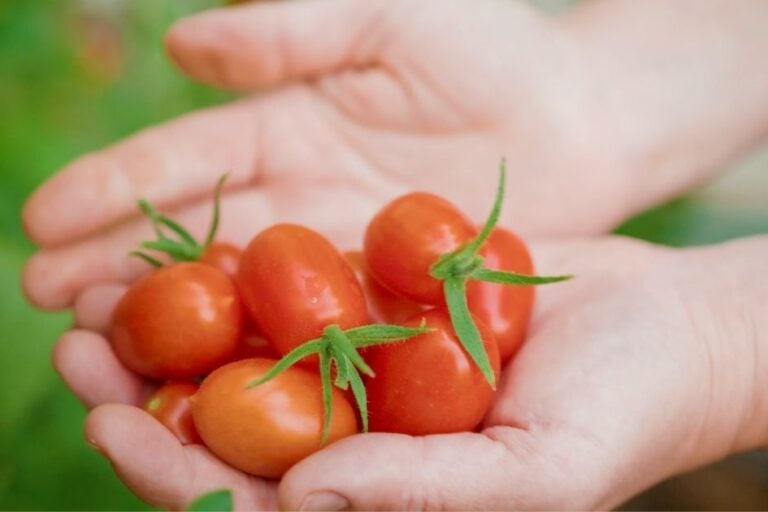
These steps for planting tomatoes will give your tomato plants the best possible start and hopefully give you basketsful of harvested tomatoes. Read the complete guide to pruning peppers, tomatoes, and eggplants after winter here.
More Tomato Growing Resources on My Blog:
- How to Grow Tomatoes in Arizona – 10 Tips for Growing Tomatoes
- Prevent Blossom End Rot: Tips for Healthy Tomatoes
- Turning Green Tomatoes Red: 4 Ways to Ripen Green Tomatoes
- Tomatoes for the Desert: Best Varieties for Arizona
- How to Revive and Prune Over-Summered Tomatoes in Arizona
If this post about how to plant tomatoes was helpful, please share it.
I am so glad to find you! I like gardening, and I learn every time I interact with my Plants. What I love is that you are located in Mesa. Would you let me know if my husband and I could visit your garden?
Hi Nancy. Agreed! We learn so much from our gardens. I don’t currently have any tours scheduled. If I do in the future I will announce them in my newsletter first, make sure you’re signed up. Happy Gardening!