
How to Fill Raised Garden Beds
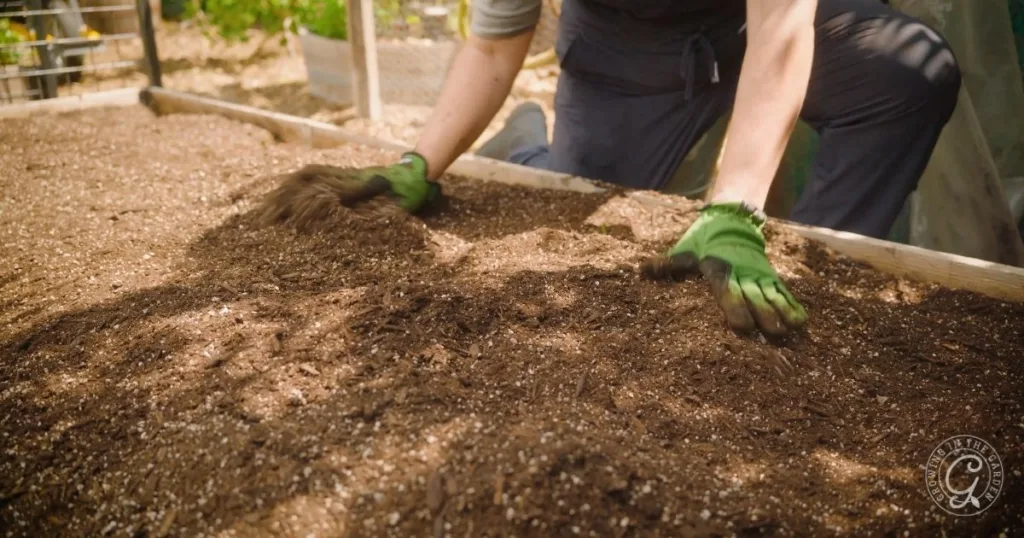
Filling a raised bed the right way is one of the most important steps to creating a healthy, productive garden. In this guide, I’ll show you exactly how to fill raised garden beds—from what to put underneath, to the best soil mix to use, and how to layer extra-tall beds effectively. These are the same steps I follow in my garden, and they work especially well in hot climates where soil quality matters most.
What This Post Covers
- What to Put Under a Raised Bed
- How Tall Should Raised Beds Be?
- How to Fill Tall Raised Beds (Over 18 Inches)
- Don’t Forget In-Bed Vermicomposting Bins
- How to Fill Raised Garden Beds With the Right Soil Mix
- First-Year Fertility Tips
- Why Soil Level Drops Over Time
- Frequently Asked Questions: How to Fill Raised Garden Beds
What to Put Under a Raised Bed
Before adding any soil, take a close look at what’s underneath your bed.
- If your yard has decorative rock, pull it back so the bed sits directly on the soil beneath.
- Plain soil? Set the bed directly on top without any issues.
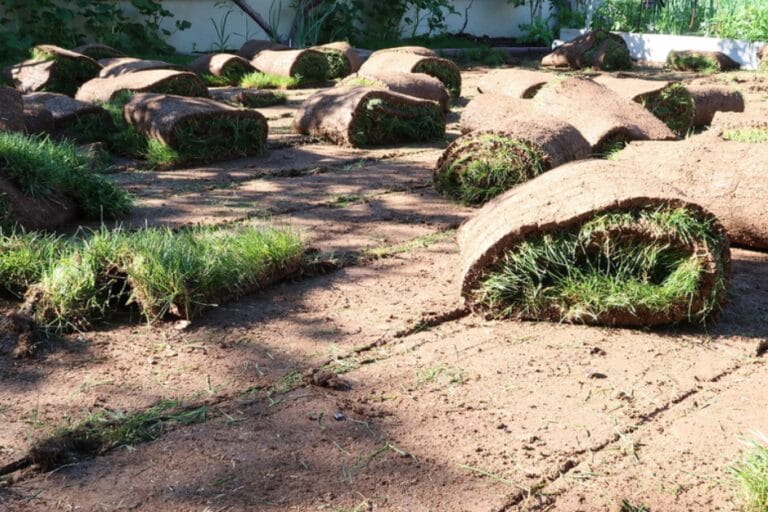
- If you have Bermuda grass, line the bottom of the bed with several layers of overlapping cardboard. This helps smother the grass and prevent it from growing up into your raised bed. For even more protection, add a layer of water-permeable fabric weed barrier underneath the cardboard. The fabric allows water to drain while keeping stubborn Bermuda roots from invading your bed.
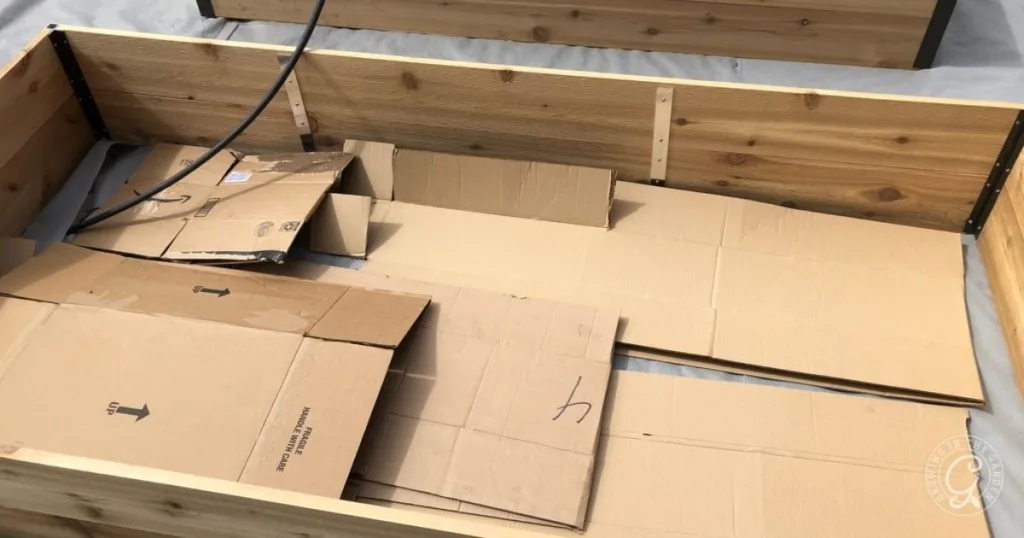
To see step-by-step methods for dealing with Bermuda grass before installing raised beds, read this guide on how to remove Bermuda grass.
Tip: I like to dig down a few inches and bury my raised beds slightly. This gives you the benefits of a raised bed—defined space, improved soil, and easier access–along with the cooler soil temperatures of in-ground gardening. This is especially helpful in hot climates.
How Tall Should Raised Beds Be?
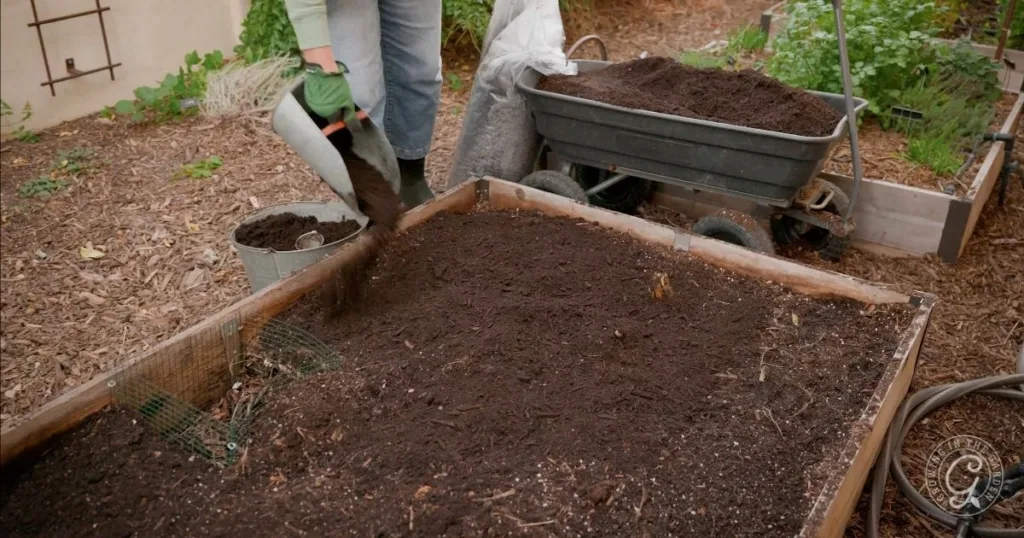
Most of my raised beds are 12-18 inches (30-45 cm) tall, and I recommend filling them all the way to the top with high-quality raised bed mix.
If your beds are taller than that, you have the option to use filler material in the bottom. This helps reduce costs and still creates excellent growing conditions for your plants.
How to Fill Tall Raised Beds (Over 18 Inches / 45 cm)
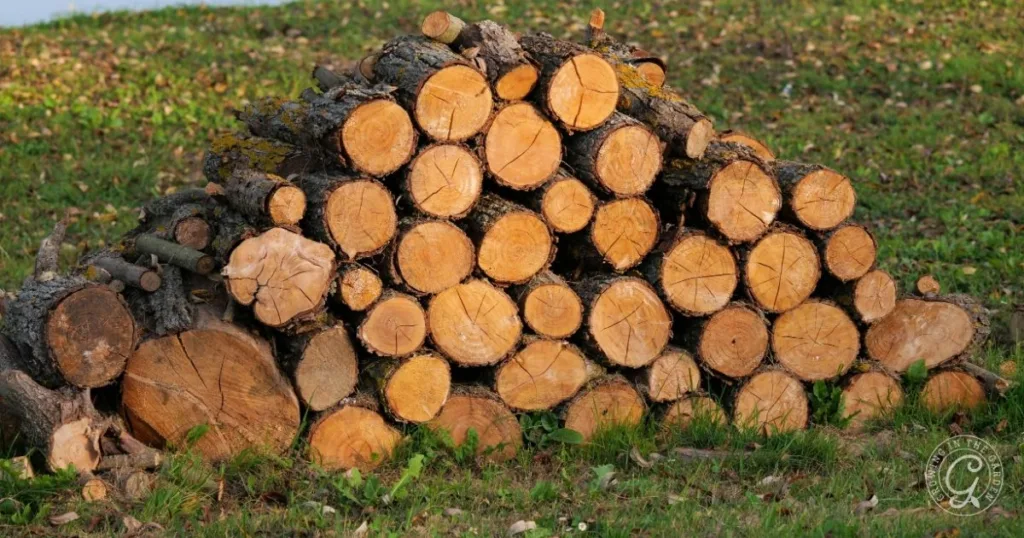
If your raised bed is taller than 18 inches (45 cm), you don’t need to fill the entire thing with raised bed mix. You can use logs, branches, or mulch in the lower section to save on soil costs and improve long-term soil health.
This method is based on the idea of hugelkultur, which uses organic material like wood to fill the bottom portion of a raised bed. As the wood breaks down, it enriches the soil and helps retain moisture.
If you’re wondering how to fill raised garden beds without wasting soil or spending too much money, here’s what I recommend.
How Much Filler to Use
The amount of filler you use depends on the total height of your bed. You can use up to several feet of logs or branches if the bed is tall enough. The most important part is to ensure that the top 12-18 inches (30-45 cm) is filled with quality raised bed mix. That top layer is where plant roots will grow and where good soil matters most.
Quick Tip
For extra-tall beds, fill the bottom portion with natural wood like logs or branches, then top off the final 12-18 inches (30-45 cm) with high-quality raised bed soil.
What to Use
- Logs or branches from untreated, natural wood. Firewood works well.
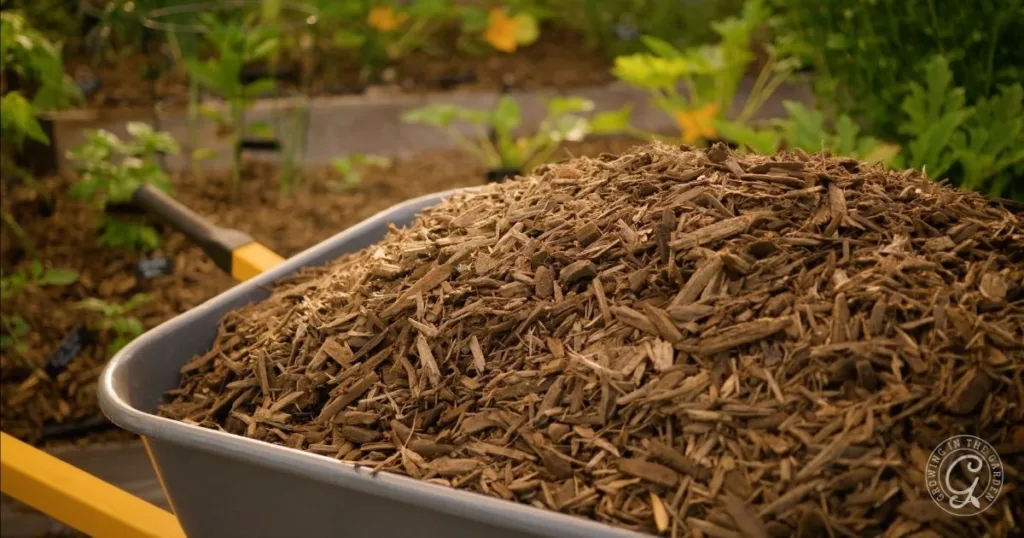
- Coarse mulch or compost if logs are not available.
Avoid using treated lumber, plywood, or any wood that has been painted or stained. These materials can leach chemicals into the soil and harm your plants.
Mulch vs. Logs – Which Is Better?
- Logs and branches decompose slowly and hold their shape longer. They help build healthy soil over time and improve structure and moisture retention.
- Mulch or compost breaks down more quickly and works well too, but the soil will settle significantly during the first season. If you use mulch as the main filler, be prepared to add more soil sooner to keep the bed filled.
How to Fill Raised Garden Beds With the Right Soil Mix
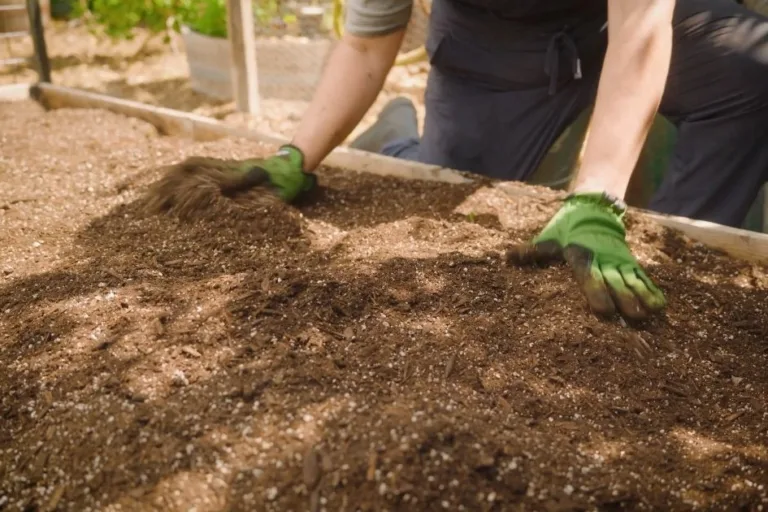
If your raised bed is 12-18 inches (30-45 cm) tall, fill it all the way up with quality raised bed mix.
For years, I mixed my own using a combination of compost, coconut coir, perlite, worm castings, and other ingredients. You can learn how to make your own in this guide to raised bed soil.
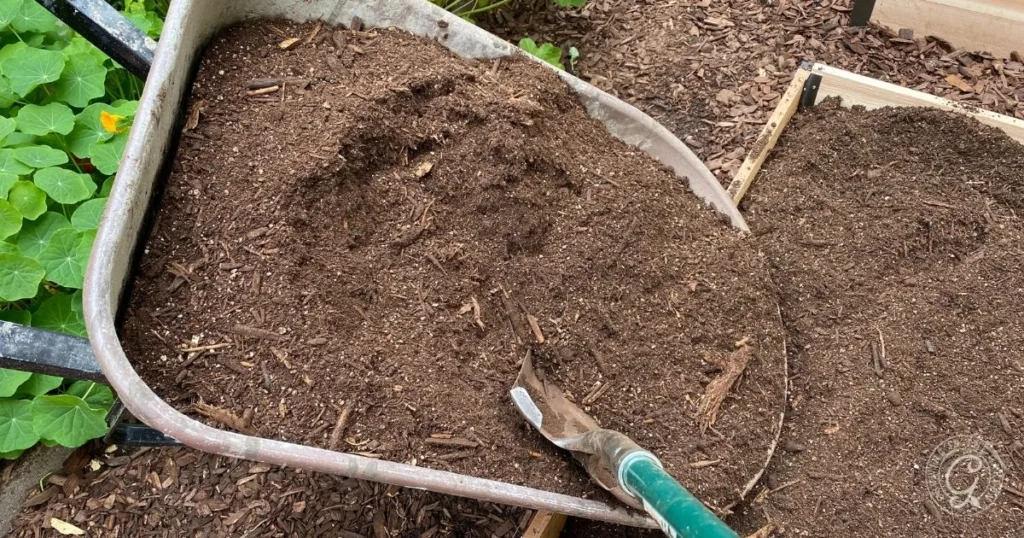
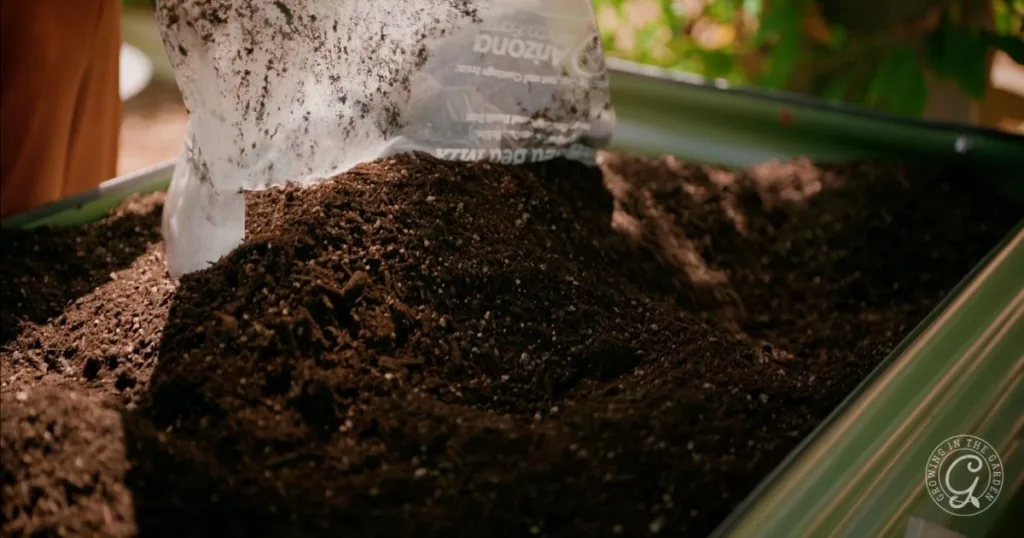
Now I work with Arizona Worm Farm, they created a custom mix that includes:
- Organic compost
- Coconut coir
- Perlite
- Basalt rock dust
- High-quality worm castings
If you live in the Phoenix valley, it is worth the drive to pick some up, and they also offer delivery.
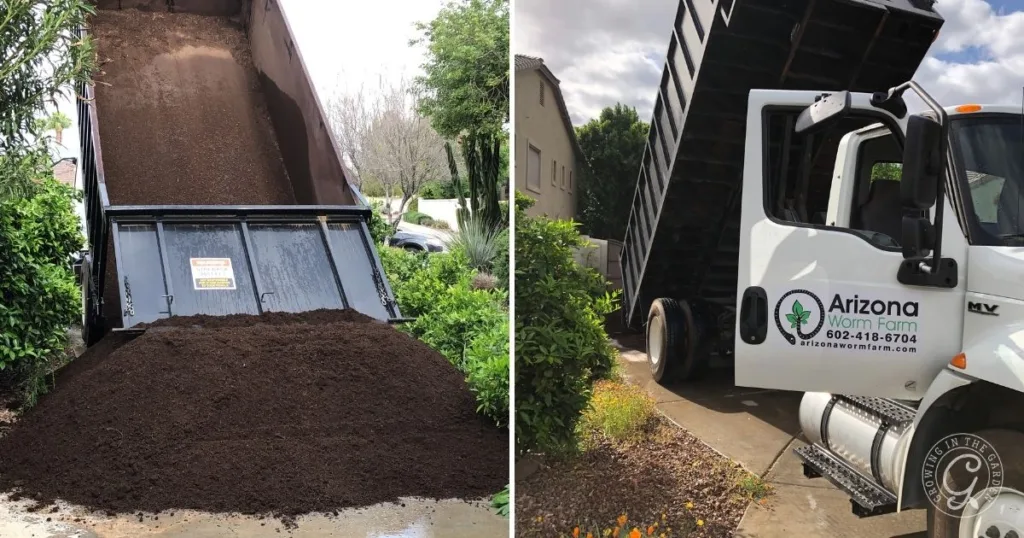
For gardeners outside of Arizona, look for a local supplier that offers a raised bed mix made with fresh compost, a moisture-retaining material like coir or peat, a drainage aid like perlite or vermiculite, and worm castings. These are the key ingredients to look for in a raised bed mix.
Wondering what terms like “compost” or “vermiculite” really mean? My Gardening Glossary explains practical gardening vocabulary in plain language, so you always know what to do in your garden.
Don’t Forget In-Bed Vermicomposting Bins
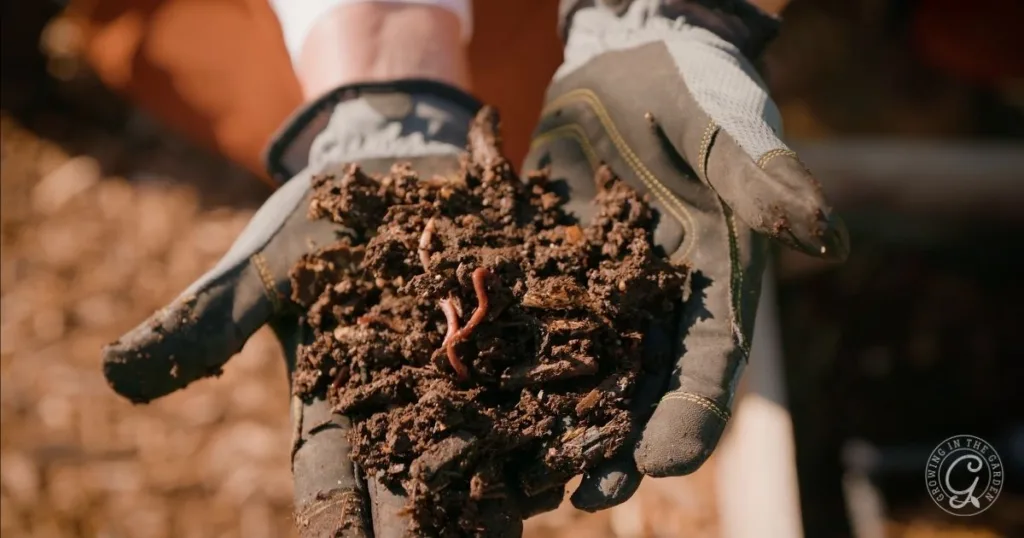
As you fill your beds, it’s a great time to add an in-bed worm composting bin. It’s simple to set up and gives your garden a steady supply of worm castings right where your plants need them.
Learn how to make one in this guide to in-bed worm composting. From soil amendments to watering essentials, these are my go-to garden supplies.
First-Year Fertility Tips
The first season in a new raised bed is often the hardest. Even with great compost and soil, the microbiology in your soil hasn’t had time to develop yet.
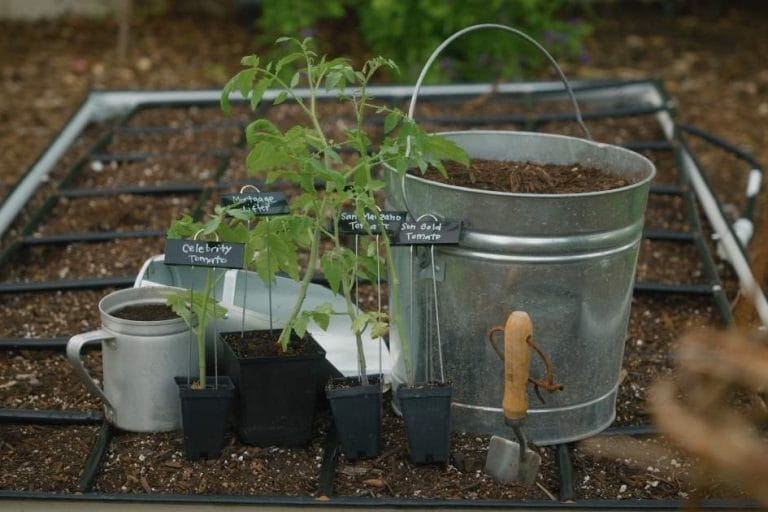
To help your plants grow well their first season, I recommend adding a balanced organic fertilizer when you plant. This gives your garden a good start while soil biology gets established.
Over time, your soil improves with each season—especially if you consistently amend with compost and worm castings. I usually do this twice a year, in spring and fall. Here’s a guide that walks through how to amend garden soil.
Why Soil Level Drops Over Time
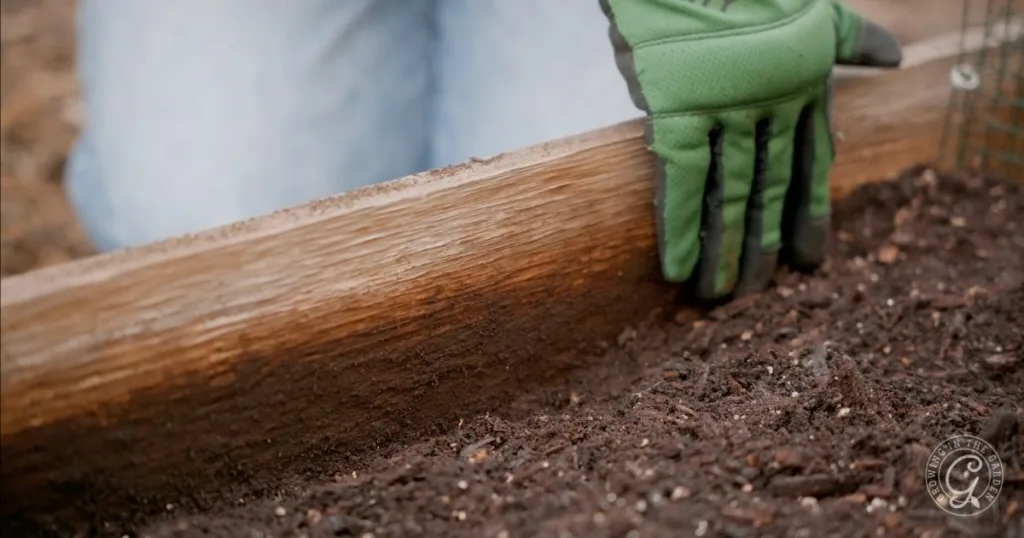
It’s normal for the soil level in your raised bed to settle over time. That’s a good sign. It means the organic matter is being used and broken down by your plants and soil life.
Just add more compost and worm castings as needed to keep the bed full and thriving.
Frequently Asked Questions: How to Fill Raised Garden Beds
What do you put in the bottom of a raised garden bed?
If your bed is deeper than 18″, you can use natural filler like logs, branches, or coarse mulch in the bottom. Top off the bed with 12-18″ of high-quality raised bed mix.
What is the best soil to fill a raised garden bed?
The best soil for raised beds is a well-draining mix made of compost, coconut coir or peat moss, perlite or vermiculite, and worm castings.
Can I use logs or branches in a raised bed?
Yes. This method, known as hugelkultur, involves placing logs and branches in the bottom of tall raised beds. It helps improve moisture retention and adds organic matter to the soil as the wood breaks down.
Can I use topsoil in a raised bed?
Topsoil alone is not ideal for raised beds. It can be too heavy and may not drain well. If you use it at all, blend it with compost and lighter materials like coir and perlite for better structure and aeration.
How much soil do I need to fill a raised garden bed?
The amount of soil depends on the size of your bed. Measure the length, width, and depth of the planting area to calculate the volume. A simple way to figure it out is to multiply those three numbers together (in feet) and divide by 27 to get cubic yards.
For example, a 4 ft x 8 ft raised bed that is 12 inches (1 foot) deep needs:
32 cubic feet of soil
About 1.2 cubic yards
Roughly 21 bags if using 1.5 cubic foot bags
Why is my raised bed soil level dropping?
It’s normal for soil to settle as organic matter breaks down. This is a sign your soil is alive and active. Top off your beds with compost and worm castings each season to maintain the level and replenish nutrients.
Do raised beds need fertilizer the first year?
Yes. Even with good compost, new raised beds benefit from a balanced organic fertilizer. It helps support plant growth while the soil biology is still getting established.
Understanding how to fill raised garden beds properly makes all the difference. With the right layers and soil care, your garden improves over time.



Leave a comment on How to Fill Raised Garden Beds