
How to Revive and Prune Over-Summered Tomatoes in Arizona
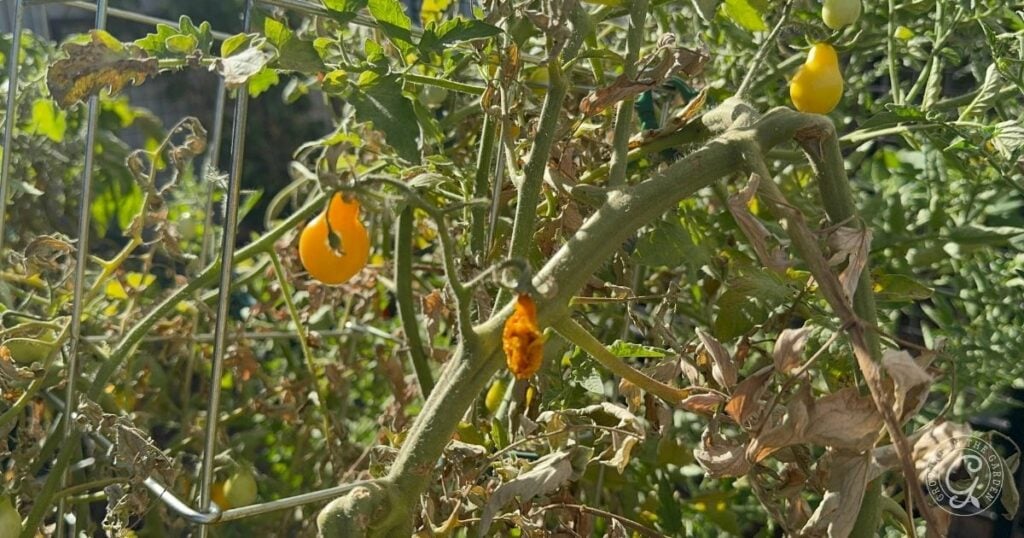
Tomato season in Arizona is unlike anywhere else. A scorching summer lands right between our spring and fall growing seasons, pushing tomato plants to their limits. After months of intense heat, your plants might look fried, dormant, or surprisingly ready to grow again as monsoon moisture and cooler nights bring some relief.
But what should you do next? Should you prune it back, feed it, or start over with a new plant? This guide will help you evaluate your tomato plants and decide the best course of action for a productive fall season.
What We Will Cover:
- Step 1: Evaluate Your Tomato Plants
- Step 2: Understand What Happens to Tomatoes During Summer
- Step 3: Know When It’s Time to Act
- Step 4: Prune Based on the Plant’s Condition
- Step 5: Feed and Refresh the Soil
- Step 6: Watch and Adjust
- Recap
Step 1: Evaluate Your Tomato Plants
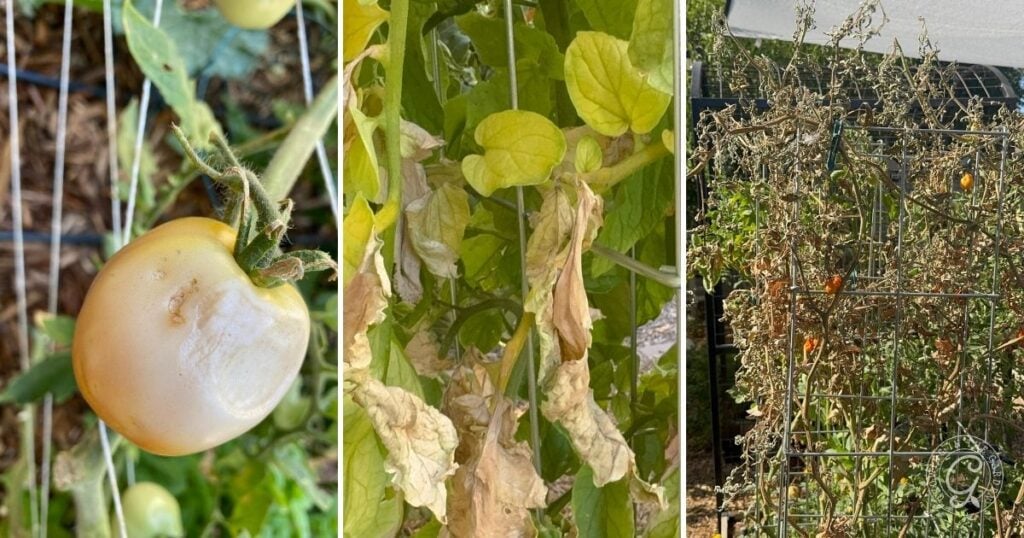
Before you prune or feed, take a close look at your tomato plants and decide whether they’re worth saving or better off replaced.
Start by asking:
1. Is there new, healthy growth coming from the base or lower branches?
- Yes: This is a good sign. The plant may have gone dormant during summer but is coming back with monsoon moisture. It’s likely worth keeping.
- No: If there’s no new growth, the plant may be too far gone.
2. Are the upper branches just sun-damaged or leggy, but the plant otherwise looks alive?
- Yes: You can likely save it with some light pruning and care.
- No: Move on to the next questions.
3. Is the plant diseased, severely stressed, or covered in pests?
- Yes: It’s best to remove the plant and start fresh with a new transplant in a new location. Don’t compost the removed plant material—diseased or infested tomato plants can carry problems into the next season.
- No: Keep evaluating.
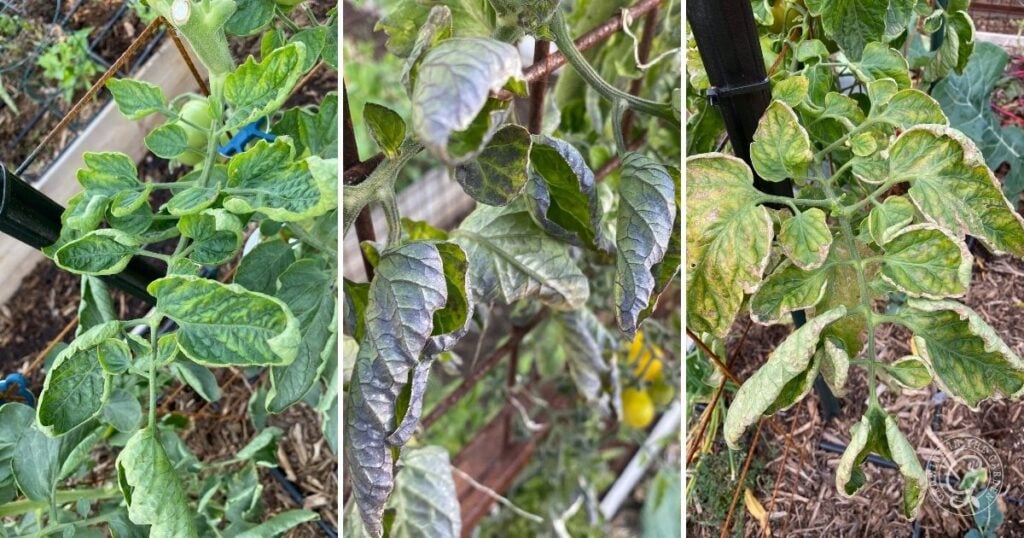
4. Are most branches completely dried out, dead, or not producing?
- Yes: It’s probably better to remove and replant.
- No: If there’s a mix of healthy and struggling growth, light pruning and support may help the plant rebound.
Bottom line: If the plant shows healthy new growth, isn’t infested or diseased, and still has some productive potential, it may be worth reviving. Otherwise, it’s better to remove it and replant.
Use this guide to choose the best tomato varieties for Arizona.
Then follow this guide to plant tomatoes the right way.
Step 2: Understand What Happens to Tomatoes During Summer
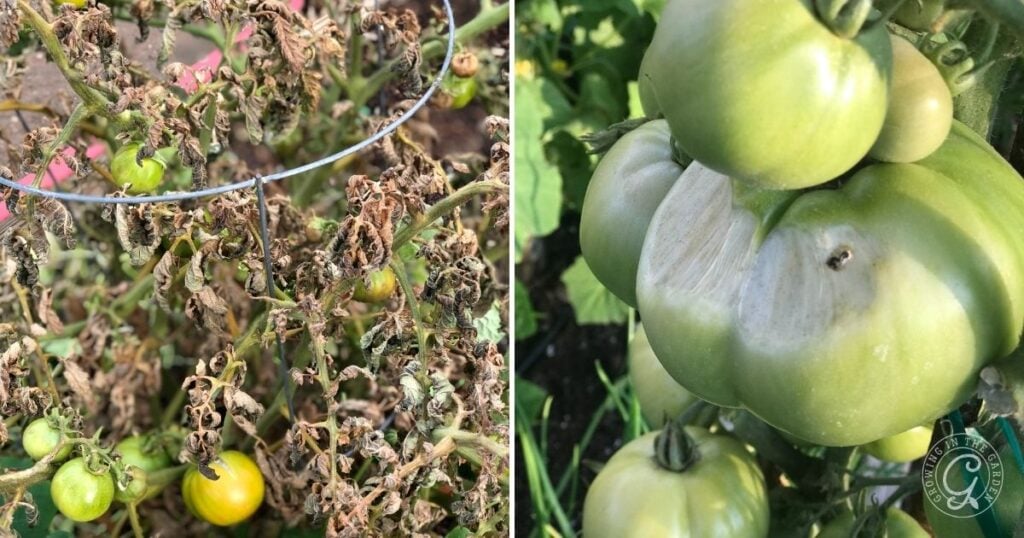
In the heat of summer, especially in low desert areas like Phoenix, tomato plants often go dormant. You may notice:
- Very little new growth
- Blossoms that don’t set fruit
- Small, curled leaves
- Sunscald on existing fruit
But don’t give up, once slightly cooler temperatures arrive, you may see signs of life. This is the window when over-summered tomatoes can bounce back and produce again.
Step 3: Know When It’s Time to Act
Timing matters.
Tomatoes generally won’t set fruit if temperatures are too high, especially if nighttime lows stay above 80°F (27°C). Even if the daytime highs are below 105°F (40°C), it’s the nighttime temperatures in the 70s that signal to the plant it’s safe to begin setting fruit again.
If you’ve reached that point (and your plant is showing signs of life), it might be worth investing time into reviving it.
Tip: Shade, mulch, and microclimates can help protect plants when temperatures are borderline.
Step 4: Prune Based on the Plant’s Condition
Once you’ve decided your tomato plant is worth saving, the next step is to prune with purpose—but not too aggressively, especially in the heat.
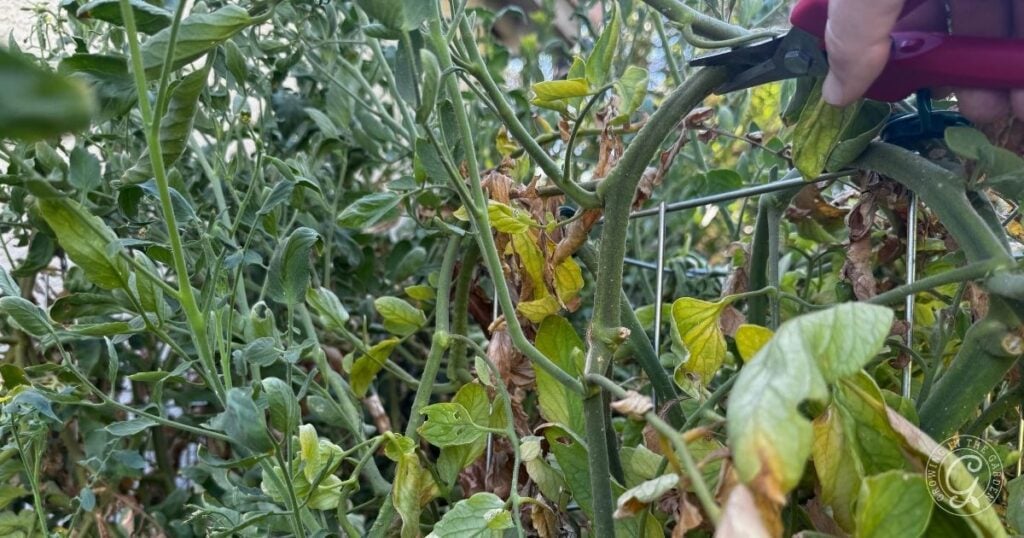
If your plant has healthy new growth near the base or along the stems:
You may not need to do much. Focus on light shaping:
- Remove any sun-damaged, yellowing, or crispy leaves.
- Snip off any branches above the new growth that are no longer productive. This helps direct energy to the healthy parts of the plant.
- If the plant is leggy or flopping over, use this time to gently guide it back into a supported, upright shape.
Tip: Always use clean pruners, and prune in the early morning to reduce stress on the plant.
If your plant is overgrown, has a lot of dead branches, or looks wild and unproductive:
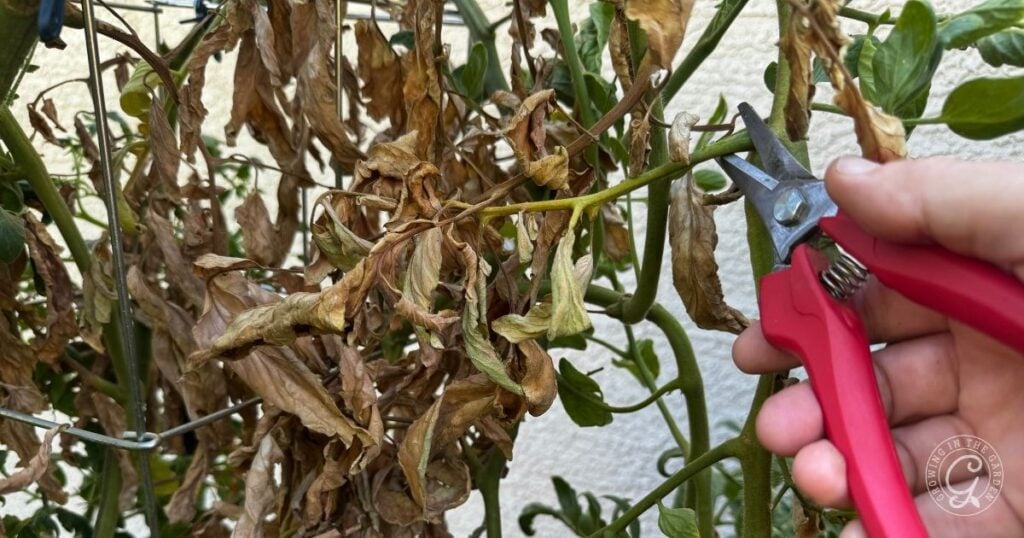
Take a more gradual approach:
- Start by pruning just one-third of the plant at a time.
- Focus on removing clearly dead or diseased branches first.
- Give the plant a few days to respond before making further cuts.
- Continue pruning over the course of 1 to 2 weeks, allowing the plant to adjust while temperatures are still high.
Cutting too much at once can shock the plant, especially in hot weather. A slow approach gives it the best chance to bounce back.
For more pruning tips after winter stress or seasonal changes, check out this guide.
Step 5: Feed and Refresh the Soil
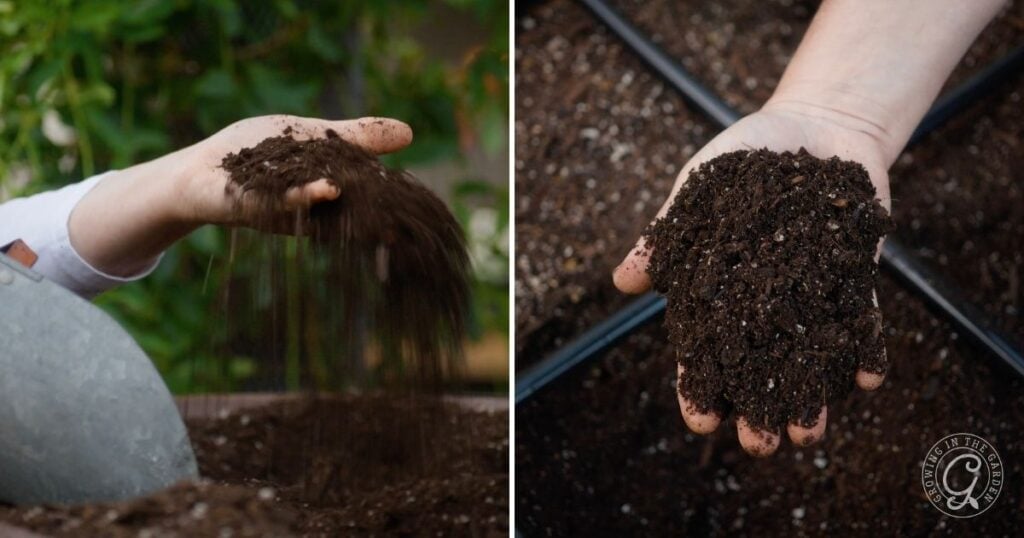
After pruning, it’s time to rebuild strength in the soil and the plant.
- Pull back any mulch
- Add a layer of compost and worm castings
- Apply a light dose of a balanced organic fertilizer (if needed)
- Supplement with a liquid feed like Nutrient+ to speed recovery
- Water deeply and consistently
Nutrient+ can effectively support tomatoes during this recovery period. It’s made from emulsified black soldier fly larvae and contains a blend of nutrients and natural biostimulants that help plants recover from heat stress, pruning, and even broken branches. Purchase it in person at Arizona Worm Farm or online here.
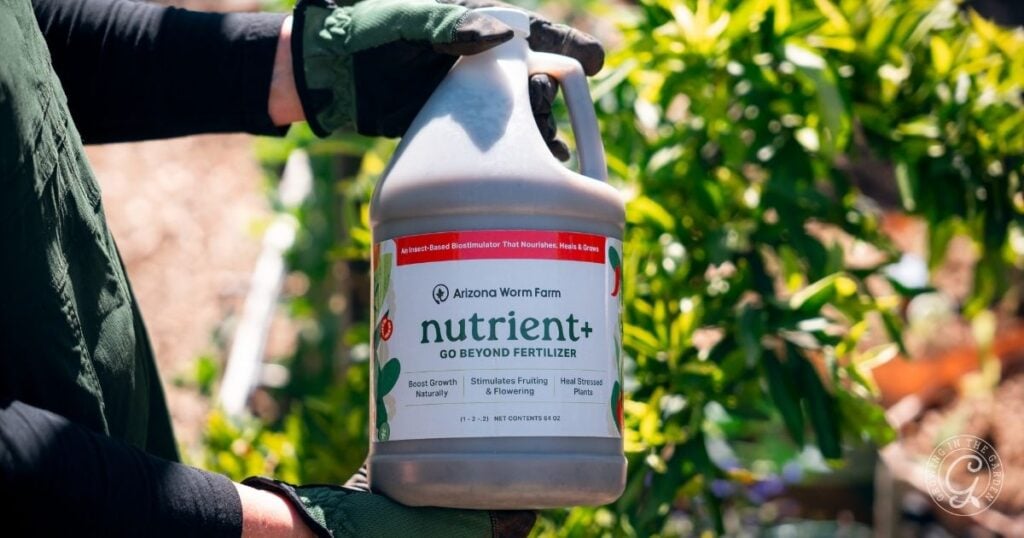
To use Nutrient+: Mix 3 cups of Nutrient+ with water to fill a 1-gallon container, and apply directly to the soil around the base of each plant. Use weekly if there are signs of stress. Monthly after that.
Why I like using Nutrient+:
– Feeds the plant with nitrogen, phosphorus, potassium, and trace nutrients
– Improves soil health and encourages new growth and flowering
– Helps plants bounce back from heat, sunburn, or damage
– Sustainable and made from food waste, it’s a great alternative to fish-based fertilizers
It is especially helpful for over-summered tomatoes (or any stressed plant) that need a boost as they begin to grow again.
Learn more about how to grow tomatoes successfully in Arizona.
Step 6: Watch and Adjust
Not every plant will recover the same way. Some may rebound quickly and begin setting fruit again in just a few weeks. Others may limp along and not be worth the effort.
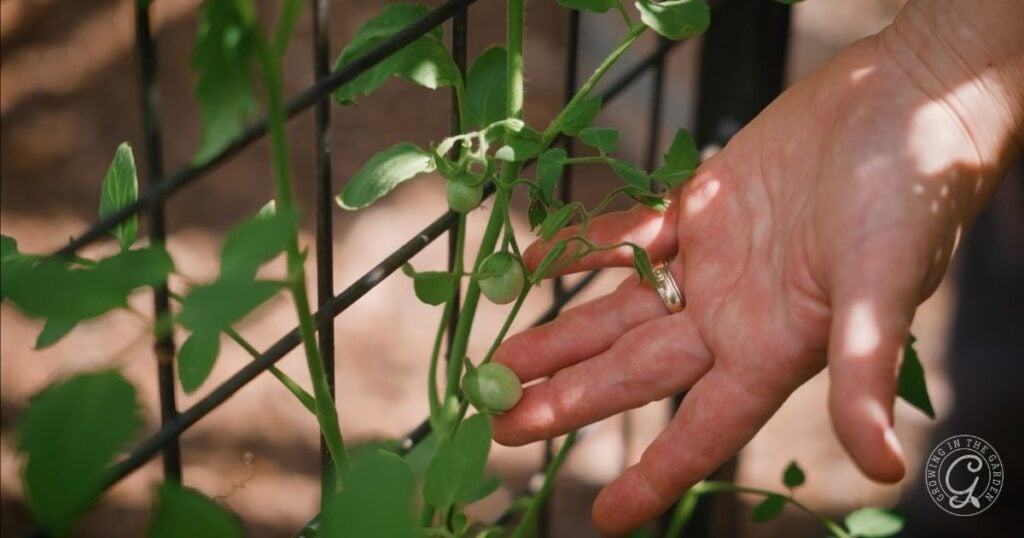
Pay attention. If the plant continues to show new growth and looks healthy, keep caring for it. If it starts declining or shows signs of disease, it’s okay to remove it and replant.
Experience is a great teacher. As you watch how your tomatoes respond to pruning, feeding, and care, you’ll gain confidence in what to do next time.
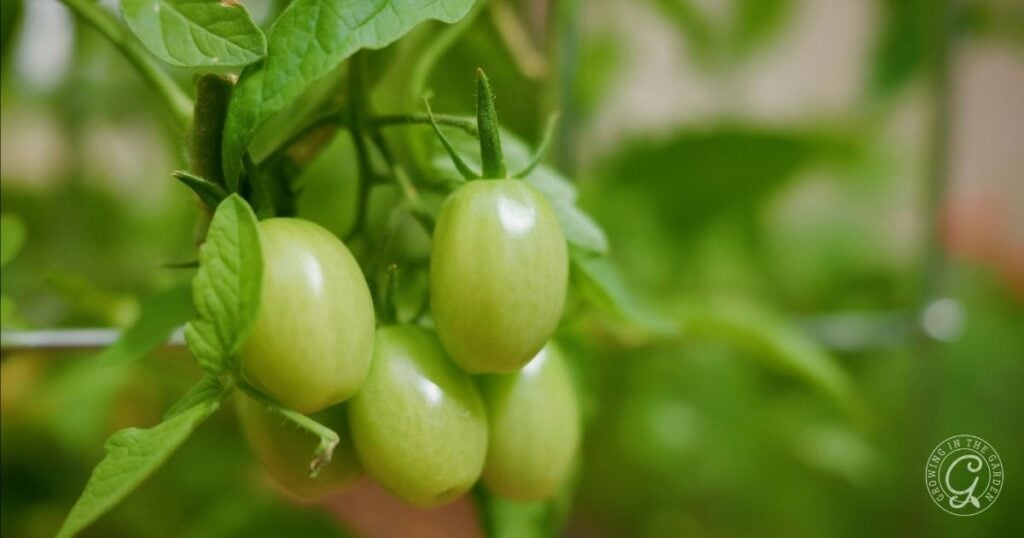
Quick Recap:
– Only revive plants with healthy new growth and no major pest or disease issues.
– Prune gradually, no more than one-third at a time while it’s still hot.
– Remove dead or sun-damaged growth, especially above new growth.
– Use compost, worm castings, and a balanced fertilizer to refresh the soil.
– Feed with Nutrient+ to speed recovery and support fruiting.
– Wait until nighttime temps are in the 70s before expecting new fruit to set.
– Don’t compost removed tomato plants or prunings.
– When in doubt, it’s okay to start fresh with a healthy transplant in a new spot.
Have Questions?
Leave a comment below. I’d love to hear how your over-summered tomatoes are doing.


Hi Angela, thank you for this info, right in time! If I think my tomatoes are pretty much done for, could I root a cutting? If so, what’s a good place to take a cutting, and at this time of year, would I have the time to get a healthy transplant?
You could try the cutting from a healthy branch just to see how it goes, but you will have the best success from a new transplant.
Great information, when should we start the process in the lower desert as I am also in Mesa,AZ
Generally follow the guidelines in step 3 to know when to cut them back.
Thank you for the much needed advice & information. I’ve been wondering how I should proceed with my gardens.
Fingers crossed