
10 Biggest Vegetable Gardening Mistakes
Gardening for the last 16 years has taught me several lessons, many of which I learned the hard way. In this post, I share my picks for the 10 biggest vegetable gardening mistakes.
Learn from my vegetable gardening mistakes and avoid making your own. What lessons have you learned in the garden? Share in the comments below, and let’s learn together.
“You must learn from the mistakes of others. You can’t possibly live long enough to make them all yourself.”
Samuel Levenson
What We Will Cover
- Starting Too Big
- Choosing a bad location for your garden
- Thinking soil doesn’t matter
- Planting at the wrong time
- Planting too many seeds and transplants
- Improper watering techniques
- Not mulching your garden
- Not spending time in the garden each day
- Using pesticides in your garden (even organic ones)
- Not harvesting often enough
- Frequently Asked Questions About Common Gardening Mistakes
1. Starting too big
Many people think they need to fill every inch of their yard with garden beds before they can start gardening. It feels overwhelming, and too often that feeling stops them from starting at all. This is one of the most common mistakes I see when helping others begin their vegetable gardens.
You’ve probably heard the saying, “The only way to eat an elephant is one bite at a time.” The same is true for gardening. You don’t have to do everything at once. Start with one garden bed. Focus on learning and growing in that space, then add more as you gain confidence and experience.

Having a plan for your overall garden area is helpful, but starting small is even more important. If you’re looking for inspiration or layout ideas, this guide can help you design a garden space that grows with you.
2. Choosing a bad location for your garden
No amount of gardening skill can overcome a lack of sunlight and water in the garden.

- Vegetables grown in the shade are often less productive and also more prone to insect damage and disease.
- Without easy access to water, watering your garden is inconvenient and you are less likely to do it on a regular schedule.
Choose a garden area that gets at least 6 hours of sunlight (preferably morning sun) and has easy access to water to give your garden the best chance to be successful.
3. Thinking soil doesn’t matter
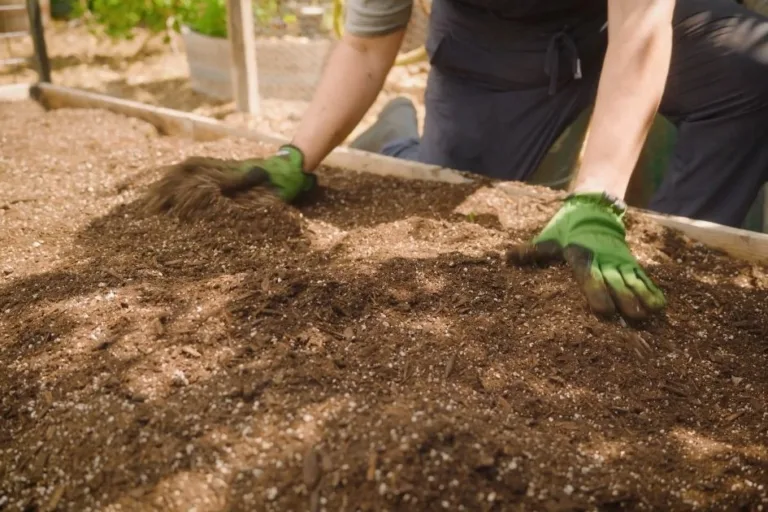
Garden soil is more than just dirt. Dirt lacks microbes and beneficial nutrients, and it’s sandy, rocky, and without substance. On the other hand, soil is full of life. Plants access the water, air, and nutrients needed to survive through the soil.

We ask a lot of garden soil. We expect plants to sprout, grow, flower, and produce fruit in a relatively short amount of time. Good soil is the foundation for a healthy and productive garden. These articles may be helpful, “Best Soil for Raised Beds” and “Get Your Soil Ready for Planting”.
4. Planting at the wrong time
When you begin gardening, there are new terms to learn: cool-season crops, warm-season crops, annual, perennial, frost date, days to harvest, direct sowing, and more. Rather than trying to interpret all the information and hope for the best, learn from the wisdom of experienced gardeners.
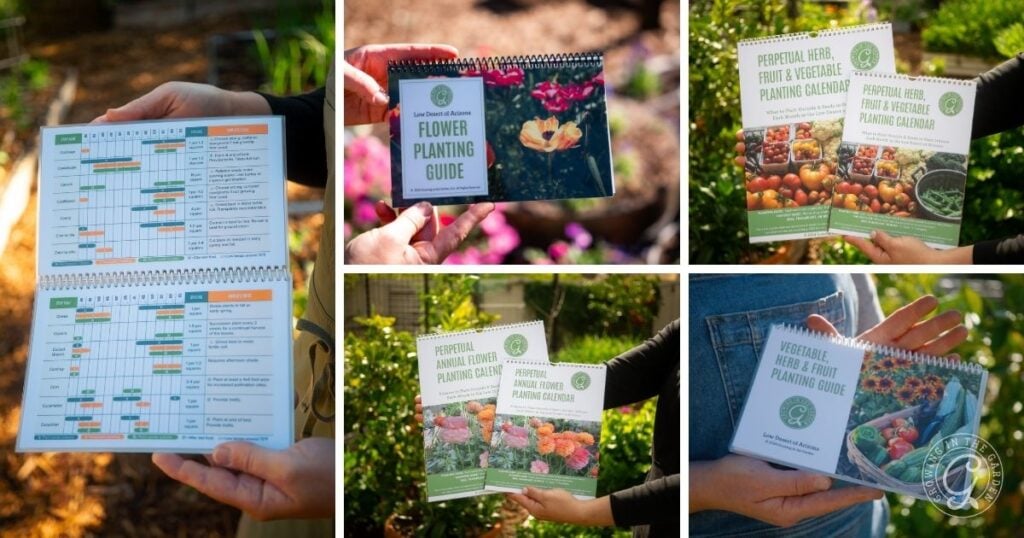
Find a planting calendar meant for your area. Following a trusted planting guide takes the guesswork out of when to plant. If you live in the low desert of Arizona, these are the planting guides I use.
5. Planting too many seeds and transplants
Overcrowding plants prohibits airflow, blocks sunlight, and promotes pests and disease. This is the vegetable-gardening mistake I am guilty of most often. I want to plant “all the things!”
It is important to understand the mature size and spacing needs of each plant (this information is usually on the seed packet) and allow enough room for mature plants. This article may be helpful, “Plant Spacing in Square-Foot Gardens”.

6. Improper watering techniques
Incorrect watering causes many common problems in plants.
- Watering plants too much or too little.
- Watering at the wrong time of day.
- Giving your plants shallow frequent water instead of root-stretching deep drinks.
This article, “Best Way to Water Raised Bed Gardens”, may help you understand correct watering principles. I water with these Garden Grids.

7. Not mulching your garden
For years, I didn’t fully understand the importance of mulching. I even wrote about it before I was consistently doing it in my own garden.
Once I started mulching regularly, I couldn’t believe the difference. It became a turning point in my gardening success, especially in Arizona’s hot, dry climate.

Unmulched soil dries out faster, needs more frequent watering, and struggles with weeds and temperature swings. Adding mulch helps regulate soil temperature, conserve moisture, and suppress weeds. Over time, it builds healthier soil by feeding microbes, attracting earthworms, and preventing compaction and erosion.
Now, I consider mulch a non-negotiable. It’s one of the easiest ways to support your garden, no matter the season. Learn more about mulching in this blogpost.
8. Not spending time in the garden each day
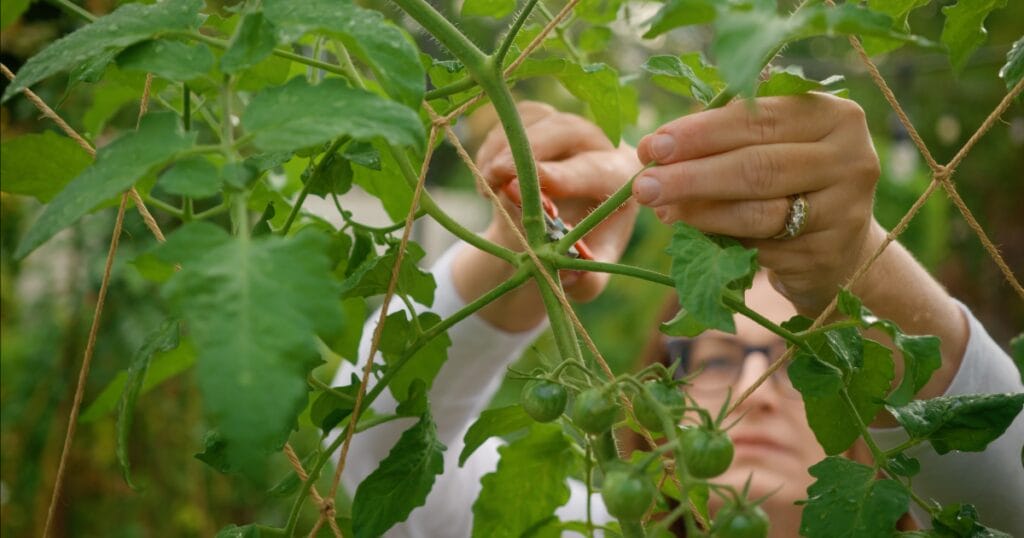
If you are an infrequent visitor to your garden, small problems (such as watering, pests, and disease) may get out of control and become difficult to manage. When you make a habit of spending time in your garden each day, you are more likely to notice issues while they are small and easily contained.
Wondering what to do when you visit your garden each day? I have a blogpost all about it.

9. Using pesticides in your garden (even organic ones)
Pesticides don’t discriminate. When you spray for pests, you often end up harming the good guys too, like pollinators and beneficial insects that help maintain a natural balance in your garden.
A healthy garden relies on biodiversity. Bees, ladybugs, lacewings, parasitic wasps, and others play important roles in pest control and pollination. Removing them with broad treatments can lead to more problems, not fewer.

Even organic sprays should be used with a light hand, and only when truly necessary.
Organic gardening practices aren’t just better for you and the environment, they’re better for your plants, too. A thriving garden starts with healthy soil, plant diversity, and observation, not quick fixes.
Learn more about organic gardening principles in this blog post.
10. Not harvesting often enough
Leaving ripe vegetables on the plant tells it that its job is done. When a plant thinks it has successfully produced seeds, it slows down or stops making more.
Frequent harvesting, on the other hand, encourages continued production. The more you pick, the more your plants will grow.
Getting to the point where your vegetables are ready to harvest is a big deal. Celebrate by picking them regularly and enjoying the fruits of your labor. It’s one of the best parts of gardening.

Frequently Asked Questions About Common Gardening Mistakes
What are the most common vegetable gardening mistakes beginners make?
The biggest mistakes include planting at the wrong time, watering too much or too little, using poor soil, overcrowding plants, and not paying attention to pests or nutrient needs. Most gardeners make at least one of these mistakes when starting out.
How do I avoid overwatering my vegetable garden?
Check the soil before watering. Stick your finger a couple of inches into the soil, or use a moisture meter. If it’s still moist, wait to water. Deep, less frequent watering is better than shallow, frequent watering.
Why are my vegetable plants not producing fruit?
This can happen if your plants aren’t getting enough sunlight, if they’re overfed with nitrogen, or if temperatures are too high or too low. Pollination problems and overcrowding can also be factors.
How can poor soil cause problems in my vegetable garden?
Soil that lacks organic matter drains poorly, holds too little moisture, or doesn’t provide nutrients can lead to stunted, unhealthy plants. Good soil is the foundation of a successful garden.
What is the best way to prevent pests in a vegetable garden?
Start with healthy soil and strong plants. Inspect regularly, use row covers or insect netting, and plant flowers and herbs that attract beneficial insects. Identify pests early and use organic methods when possible.
How often should I water vegetables during hot weather?
During the hottest months, most gardens need watering every one to three days. The exact timing depends on soil type, mulch use, plant maturity, and weather. Always check the soil before watering.
Why do some vegetables die in extreme heat?
Not all vegetables are suited for extreme temperatures. Some simply can’t handle the stress of high heat. If plants are already stressed from shallow roots, poor soil, or pests, heat makes it worse. Shade cloth, mulch, and proper timing can help.
Can I plant vegetables too close together?
Yes. Overcrowded plants compete for light, water, and nutrients. They’re also more prone to disease due to poor air circulation. Follow spacing recommendations for each crop to give them room to grow.
What are signs of nutrient deficiency in vegetable plants?
Yellowing leaves, poor growth, purpling stems, or distorted leaves can all signal a lack of nutrients. The exact symptoms depend on which nutrient is missing. Start with compost and organic fertilizer, and adjust as needed.
How can I improve my vegetable garden after making mistakes?
Don’t give up. Learn from what didn’t work. Amend your soil, adjust watering habits, plant at the right time, and start small if needed. Most gardeners learn through trial and error, every season is a chance to improve.
Leave a comment on 10 Biggest Vegetable Gardening Mistakes