
How to Grow Lima Beans: Complete Guide & Tips for Hot Climates
Growing up, I was convinced I didn’t like lima beans. I’d only experienced the grainy, unappealing texture of frozen or grocery-store dried beans, until the day I tasted fresh lima beans from my grandma’s garden in Indiana. With a little encouragement, I reluctantly tried them and was shocked to discover how sweet, buttery, and delicious homegrown lima beans could be.
If you’ve never grown them yourself, or if you think you don’t like them, learning how to grow lima beans might just change your mind. Homegrown lima beans taste nothing like their store-bought counterparts and are a nutritious, versatile, and productive addition to your garden.
In this post, I’ll walk you through how to grow lima beans from seed to harvest, with practical tips for gardeners in all climates, including strategies that work especially well in hot and dry regions.
What We Will Cover
- Best Soil for Lima Beans
- When to Plant Lima Beans
- Growing Lima Beans from Seed
- Providing Support for Lima Beans
- Watering and Caring for Lima Beans
- How Long Do Lima Beans Take to Grow?
- How to Harvest Lima Beans
- Growing Lima Beans in Containers
- Special Tips for Growing Lima Beans in Hot Climates
- FAQ: How to Grow Lima Beans
Best Soil for Lima Beans
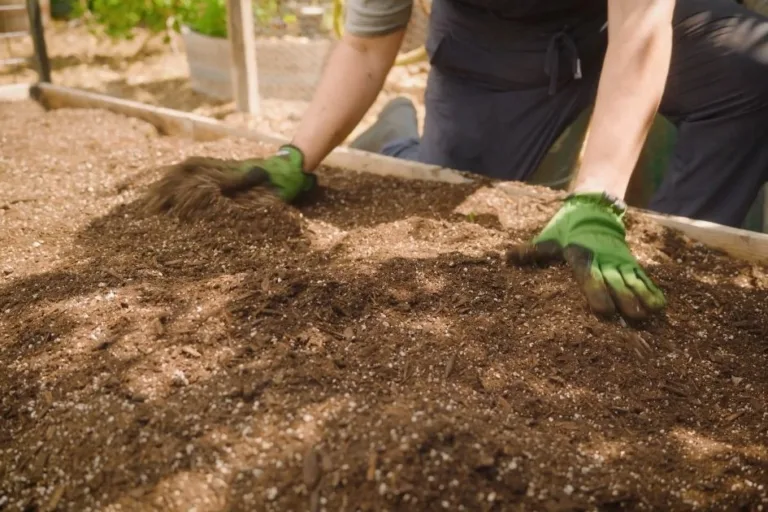
Lima beans thrive in loose, well-draining soil that’s rich in organic matter. Aim for a neutral soil pH of 6.0–7.0. Before planting, mix in compost or aged manure to boost nutrients and drainage.
In desert areas like Arizona, adding compost is crucial. It improves moisture retention and helps moderate soil temperatures.
When to Plant Lima Beans
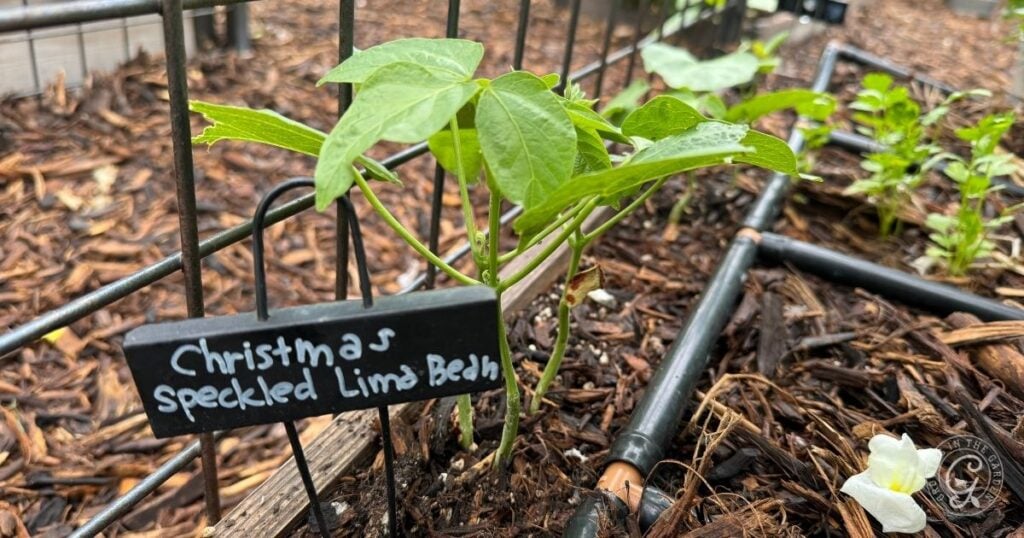
Plant lima beans once the danger of frost has passed and soil temperatures reach at least 65°F (18°C).
General planting times:
- Cool and temperate climates: Plant in late spring or early summer.
- Warmer climates: Plant early enough to harvest before extreme heat arrives or wait for late summer planting.
Low desert planting times:
- Late March–April (early spring planting can struggle in intense summer heat)
- July–August (preferred timing, coinciding with monsoon moisture)
For more details about planting timing, check out my low desert planting guide.

Growing Lima Beans from Seed
Lima beans grow easily from seed planted directly in the garden. Here’s how:
- Choose a sunny spot with at least 6 hours of direct sunlight daily.
- Space seeds about 4–6 inches apart (5–9 plants per square foot).
- Plant seeds 1–1½ inches deep.
- Water well after planting to ensure good soil-to-seed contact.
For helpful tips on starting seeds outdoors successfully, see how to plant seeds.
Providing Support for Lima Beans
Pole lima beans grow tall—often over 6 feet—and require strong support, like a trellis, fence, or teepee. Even bush types benefit from a little support to help keep pods off the ground.
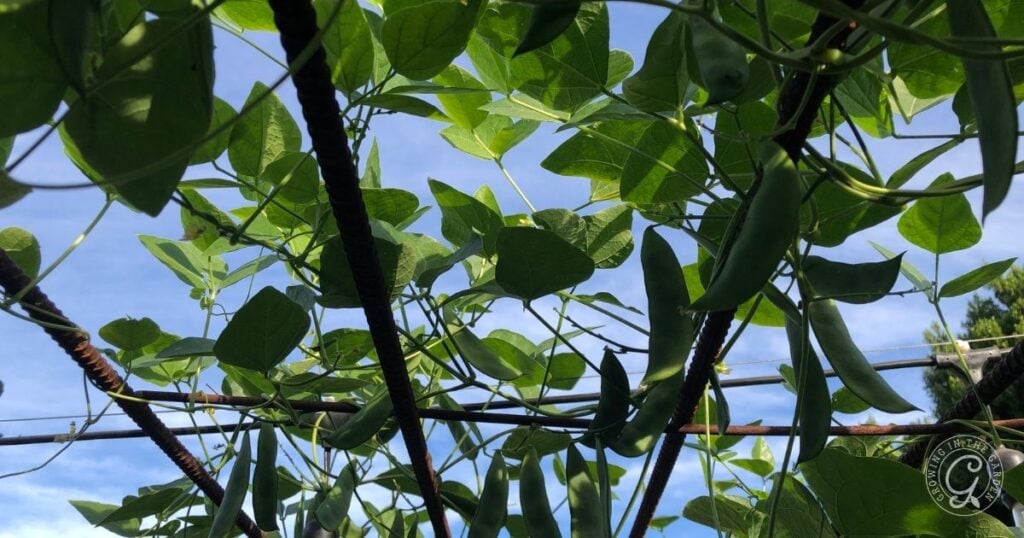
Learn more ideas for supporting climbing plants in my vertical gardening article.
Watering and Caring for Lima Beans
Keep lima beans consistently watered, especially during flowering and pod development. Typically, beans need about an inch of water each week. Using drip irrigation or a watering grid can ensure even and efficient watering.
In hot climates, mulching is vital. A thick layer of mulch helps retain soil moisture and keep roots cool, minimizing plant stress.
How Long Do Lima Beans Take to Grow?
Lima beans typically take between 65 and 85 days from planting to harvest, depending on variety and growing conditions.

Recommended varieties:
- Bush varieties: Mature faster (60–70 days) and stay compact.
- Henderson’s Bush (65 days)
- Fordhook 242 (75 days)
- Pole varieties: More productive over a longer period (75–85 days).
- Christmas (78 days, beautiful speckled beans)
- King of the Garden (85 days, productive and vigorous)
How to Harvest Lima Beans
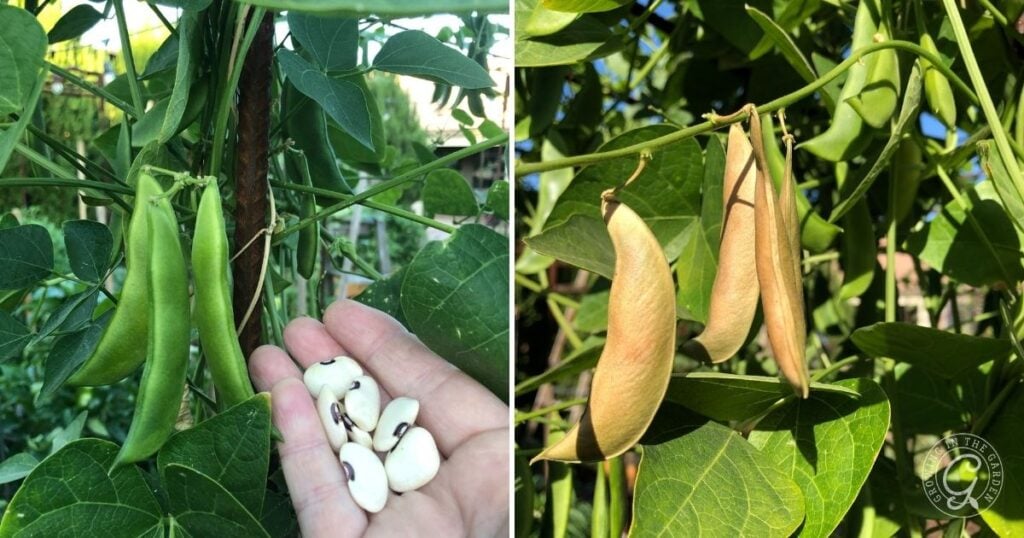
Lima beans offer two distinct harvesting stages:
Fresh Shelling Beans:
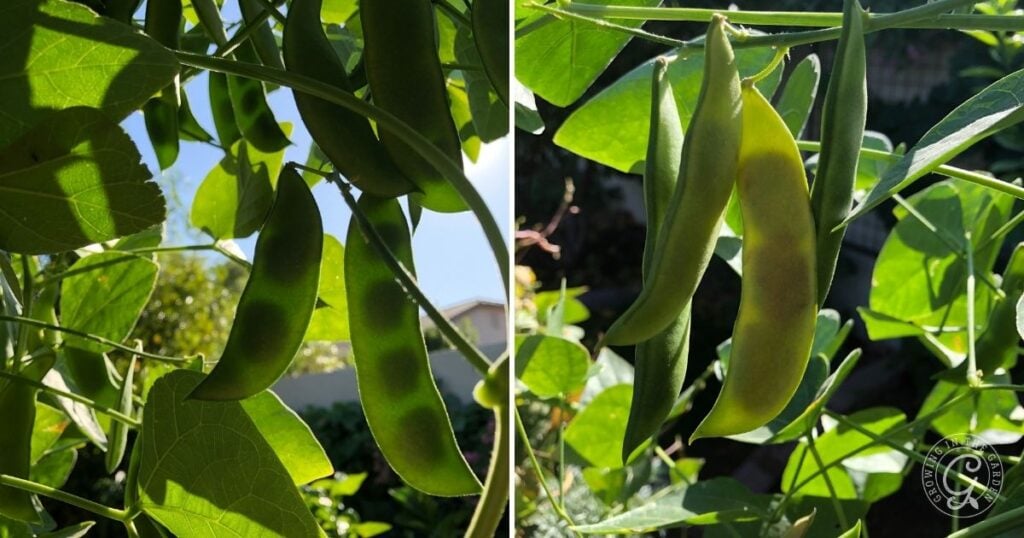
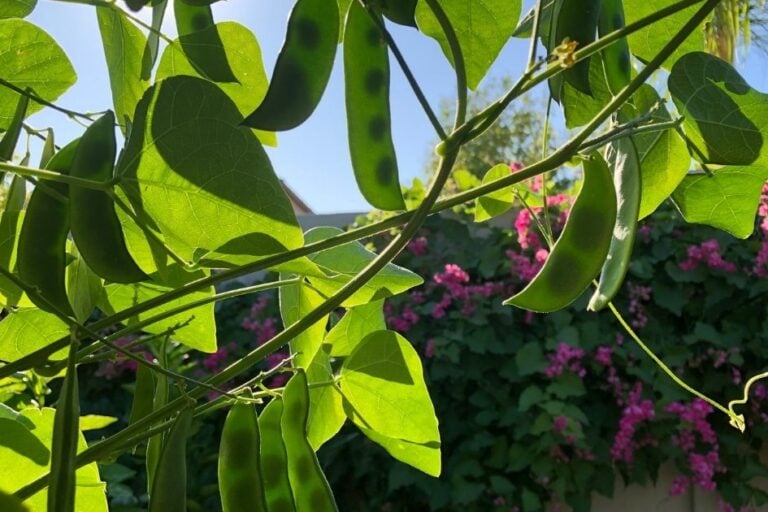
- Harvest pods when they’re plump and green, but before pods begin to yellow.
- Fresh lima beans are sweet and tender. Refrigerate unshelled pods for up to two weeks, or shell and freeze for long-term storage.
Dry Lima Beans:
- Allow pods to fully mature and dry on the vine until pods are brown and brittle.
- Remove beans from pods and store dried beans in a cool, dry place for up to a year or longer.
Cooking Tips: Fresh beans cook quickly and require less soaking, while dry beans need overnight soaking and longer cooking.
Growing Lima Beans in Containers
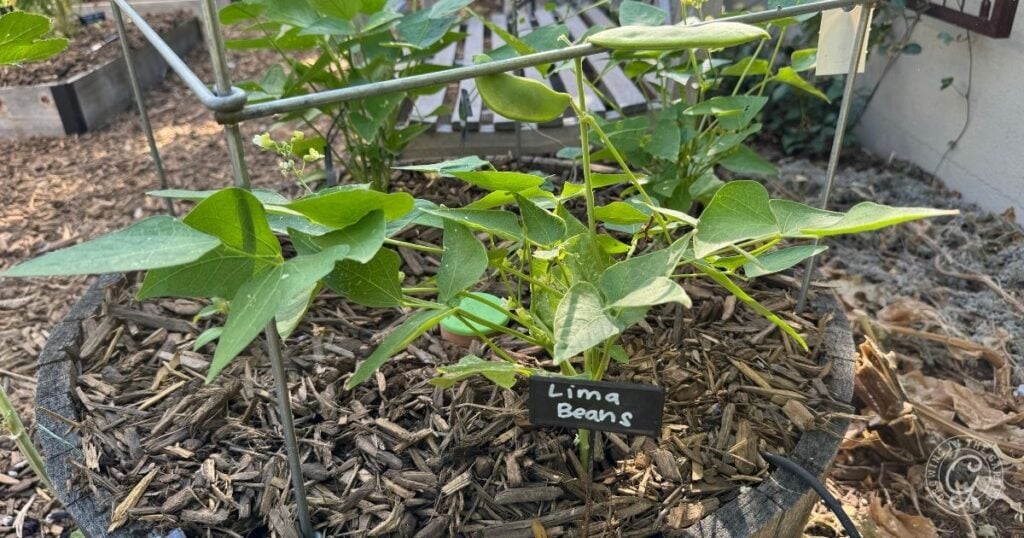
Bush lima beans are ideal for container growing. Use pots at least 12 inches deep with good drainage, and always provide support. Containers dry out quickly, especially in hot climates, so check moisture regularly and water deeply when the top inch of soil feels dry.
Want to make watering easier?
For consistent moisture and reduced watering frequency, consider using an olla like the ones I use from Growoya. It’s especially helpful during hot weather when container soil can dry out quickly.
Special Tips for Growing Lima Beans in Hot Climates
- Consider planting pole varieties during summer monsoons—they handle heat well and provide shade to their roots.
- Mulch thickly to protect against extreme temperatures.
- Provide afternoon shade if possible, especially during peak summer heat.
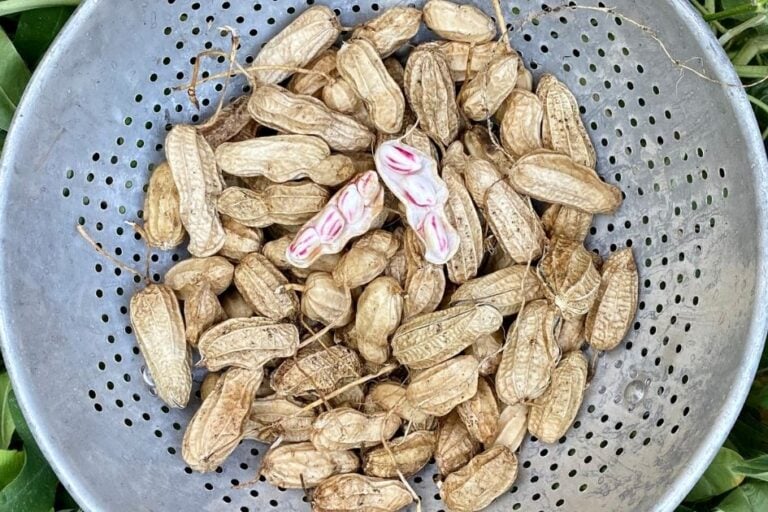
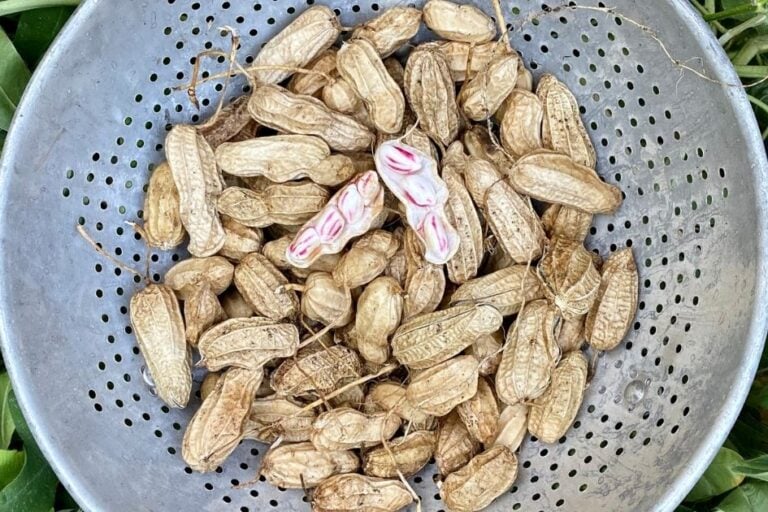
If you’re enjoying growing lima beans, consider learning how to grow peanuts as well. They both thrive in similar warm conditions.
For more bean-growing resources specifically tailored to hot climates, check out my detailed guides on:
- Growing beans (general guide)
- Fava beans
- Tepary beans
- Asparagus beans (yardlong beans)
- Borlotti beans
- Black Eyed Peas
- Edamame
- Purple Hyacinth Bean Vine
FAQ: How to Grow Lima Beans
Can lima beans survive intense summer heat in low desert areas?
Spring-planted lima beans can struggle in the intense heat of summer. For better results, plant in July or August to coincide with monsoon rains, when heat-tolerant varieties perform best.
How do I know when lima beans are ready to harvest?
Harvest fresh beans when pods are full but still green. For dried beans, wait until pods turn brown and brittle.
Can lima beans grow in partial shade?
They prefer full sun (at least 6 hours a day). Too much shade will reduce yield significantly.
Why are my lima beans flowering but not producing pods?
High temperatures, particularly above 90°F (32°C), can cause blossoms to drop without setting pods. Providing afternoon shade and adequate watering can help mitigate this.
Do lima beans need fertilizer?
Usually not. Beans naturally enrich the soil by fixing nitrogen. If growth seems slow, side-dress plants lightly with compost.

Lima beans can be incredibly productive once established, even in challenging hot climates. By following these guidelines, you can enjoy abundant harvests of nutritious beans season after season. Happy planting!
Thank you! I planted Henderson Lima bush beans for the first time almost a month ago so this information is very timely! I do have a question, are Lima beans a one and done harvest or will they continue to produce if I keep them harvested? Thanks!
Hi Thelecia – they are like pole beans. You should get a harvest over a long period.