
How to Grow Summer Squash: 5 Essential Tips
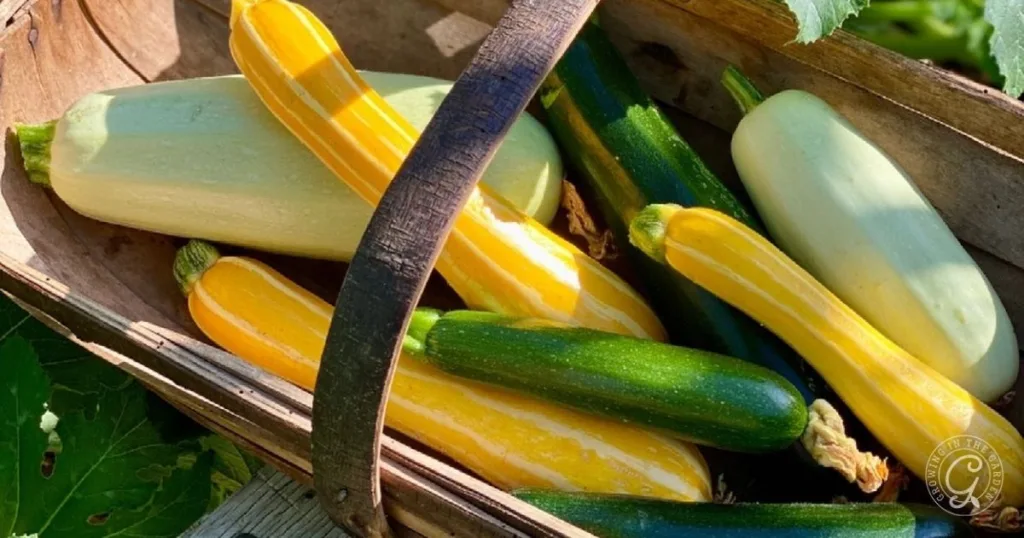
Summer squash is one of the easiest and most productive warm-season crops you can grow. Just a couple of plants can produce an abundant harvest of zucchini, yellow squash, or pattypan (often more than enough for your family and neighbors).
In this guide, you’ll learn how to grow summer squash successfully in hot climates. We’ll cover:
- The best time to plant
- Which varieties to choose
- How to plant and care for your squash
- Common problems like pests, pollination issues, and bitter fruit
- And tips for harvesting and preserving your squash
Learn how to grow summer squash in raised beds, containers, or in-ground gardens with these tips.

What’s the Difference Between Summer and Winter Squash?
- Summer squash (mostly Cucurbita pepo) are harvested young before the skin hardens. They are used fresh and have thin, tender skins. Think zucchini, yellow squash, and pattypan.
- Winter squash (C. maxima, C. moschata, etc.) are harvested at full maturity and store well for months. Think butternut, acorn, and spaghetti squash.

Learn how to grow winter squash in this guide.
1. Plant Several Types of Summer Squash
Summer squash comes in all shapes and colors: round, long, scalloped, striped, yellow, green, and gray. Each has a different flavor, texture, and culinary uses.
Favorite Summer Squash Varieties: (click the seed name for seed sources)
- Yellow Crookneck or Straightneck – classic, early maturing, and reliable
- Black Beauty – dark green zucchini, easy and prolific
- Grey Zucchini – great flavor and texture, perfect for calabacitas
- Pattypan (Scallop) – firm texture, good in soups and sautés (get the specifics about how to grow pattypan squash in this guide)
- Tatume – vining heirloom, excellent for stuffing, vines up to 12 feet
- Incredible Escalator – space-saving, climbing zucchini
Looking for more ideas? Here are 8 Summer Squash Varieties to Grow.

Bush types are great for small spaces. I plant them along the edges of beds so they can sprawl into walkways. You can also train bush types vertically with a stake or cage. This method improves airflow and can help reduce the risk of powdery mildew and vine borers.
- Summer squash also plays an important role in the Three Sisters Grow Bag Garden, a traditional companion planting method adapted for containers. You can also try the Three Sisters method in raised beds. The squash’s spreading vines act as a living mulch, helping to shade the soil and suppress weeds.
2. Plant at the Right Time for Your Climate
Summer squash grows best when soil temperatures are consistently warm. The ideal temperature for germination is 86°F (30°C), but seeds will sprout within a range of 60 to 95°F (15 to 35°C).
Start with transplants early in the season while the soil is still warming. Plant young transplants about two weeks after your last frost date. Handle them carefully and avoid disturbing the roots.
Once soil temperatures reach at least 70°F (21°C), summer squash grows best when direct-sown from seed.

In hot climates like the low desert of Arizona, squash is best planted during two windows:
- Spring: mid-February through March (start seeds indoors in January–February)
- Late Summer: mid-August through early September (start seeds indoors in July–August)
For more planting date information, see my Arizona Low Desert Planting Guide.
Spacing Guidelines:
- Square foot gardening: 1 to 2 squares per plant
- Hill planting: 4 to 6 seeds per hill, thin to 2 or 3 plants
- Rows: space 12 to 24 inches apart
Squash prefers full sun. In very hot climates, especially in late spring and summer, afternoon shade can help protect young plants from heat stress.

Hot summer gardening tip: Keep in mind that during periods of extreme heat, squash plants often stop producing or die back completely. Pollen may not be viable, and plants may suffer from heat-related stress. In many cases, it is better to start a new round of squash during the late summer planting window than try to maintain struggling plants through the summer. Starting fresh with healthy plants gives you a better harvest in the fall season.
How to Plant Summer Squash
Soil and Location
Choose a full sun location with well-draining soil. In hot climates, light afternoon shade can help protect young plants from heat stress.Planting Depth
- Seeds: Plant ½ to 1 inch deep.
- Transplants: Plant just deep enough to cover the root ball. Do not bury the stem.
Planting Tips
Use a stake or cage to support bush types grown vertically.
Summer squash grows well in containers. Choose a container that is at least 12 inches deep. For more container-specific advice, visit: Vegetables That Grow Well in Containers.
3. Fertilize at the Right Time and Water Smart
Fertilize when the first flowers appear. I use this organic fertilizer as needed to support flowering and fruiting.

Squash needs deep, even moisture. Inconsistent watering is one of the top causes of bitter fruit, cracking, and blossom end rot.
Watering Tips:
- Use a watering grid in raised beds to ensure even, efficient water distribution to plant roots.
- In containers, I recommend using oyas—clay vessels that slowly release water to the surrounding soil and help reduce watering frequency.
- Mulch deeply to regulate soil moisture and protect the soil from temperature swings.
- Water deeply and less frequently to encourage strong root development.

Do not assume wilted leaves in the afternoon mean the plant needs water. In hot weather, wilting can be a natural response to heat stress, not a sign of drought. This process is called transpiration.
During the hottest part of the day, squash plants may close the stomata on their leaves to reduce water loss. As a result, the leaves lose turgor pressure and droop or wilt temporarily. This is the plant’s way of protecting itself and conserving moisture.
Before watering, check the soil moisture by sticking your finger into the soil a couple of inches deep. If it still feels moist, it’s best to wait. Plants experiencing temporary heat-related wilting usually recover on their own by evening when temperatures drop and transpiration slows down.
Overwatering based on appearance alone can lead to root rot and other issues, so always check the soil first.
4. Monitor for Pollination Problems and Pests
Pollination
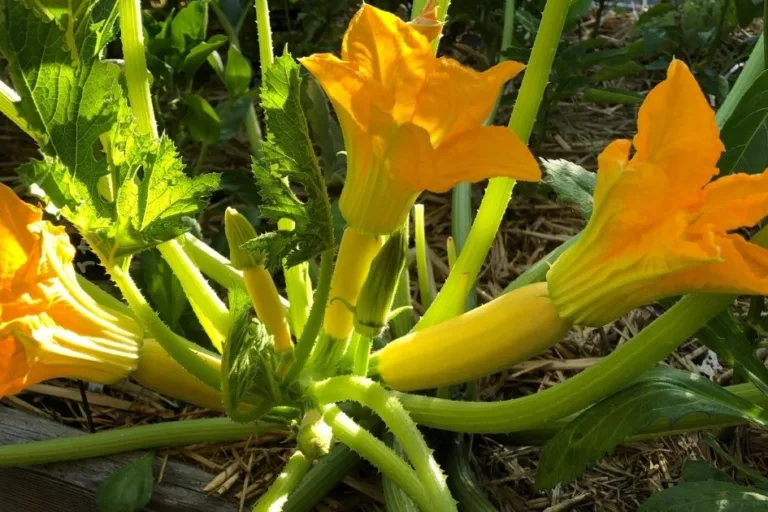
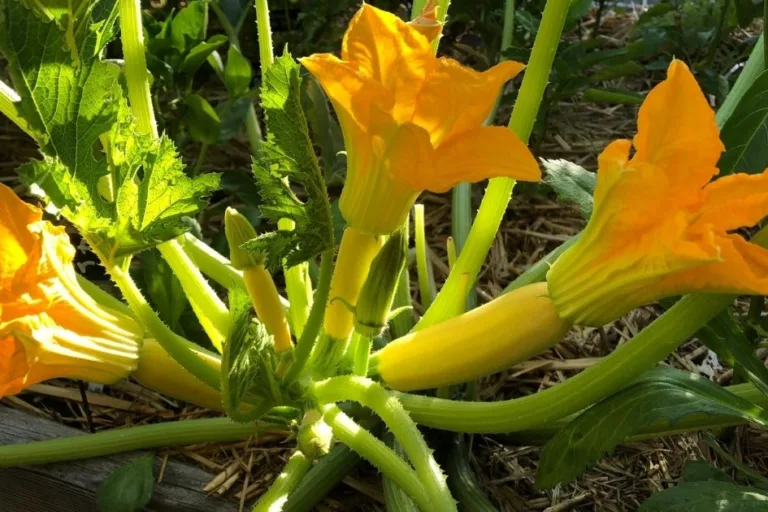
Squash plants produce male and female flowers. Early in the season, it might just be one type (usually males), but be patient. Within a week or two, most plants begin producing both.
- Female flowers have a small fruit at the base.
- Male flowers are on a long, thin stem.
To improve fruit set, grow multiple plants and encourage pollinators. If fruit is not forming, hand-pollination can help.
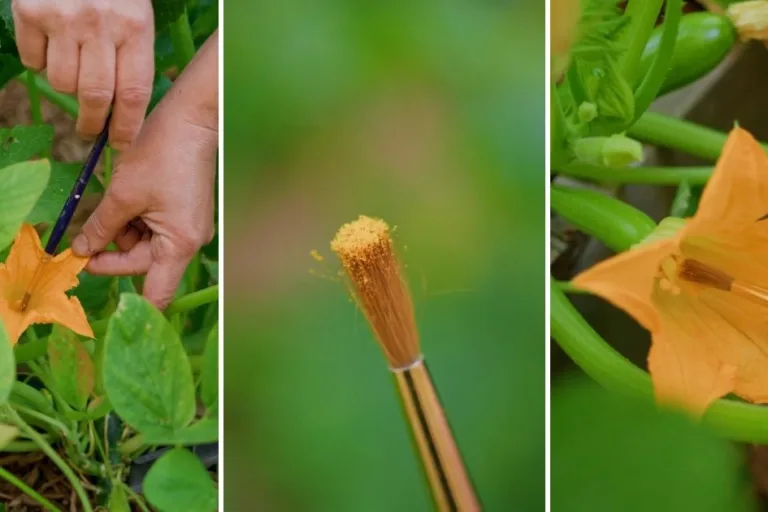
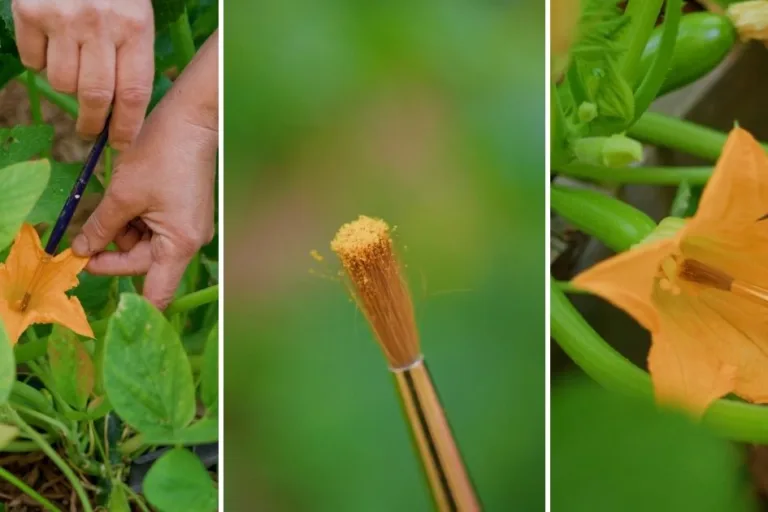
If bees aren’t visiting your squash blossoms, you can pollinate them by hand to ensure fruit development.
- Identify the flowers:
Male flowers have a thin stem and a pollen-covered stamen inside.
Female flowers have a small immature squash at the base and a central pistil. - Pollinate early in the day:
Flowers are usually open in the morning and may close by afternoon. - Transfer the pollen:
Use a cotton swab, small paintbrush, or the stamen from a male flower to gently brush pollen onto the pistil of a female flower.
One successful pollination is usually enough. Repeat every day or two as new flowers open.

Pests and Disease
What’s the best thing I do daily? Flip squash leaves over and check for problems.
- Remove squash bug eggs by hand.
- Pick off adults or use row covers for prevention.
- Remove leaves with powdery mildew and treat remaining foliage with potassium bicarbonate spray.
- Spray off aphids and whiteflies with water or use insecticidal soap.
Learn more: How to Get Rid of Squash Bugs
Early detection is key. Sometimes it is best to remove a struggling plant entirely to protect the rest of your garden.

5. Harvest Early and Often
Squash grows quickly and is best when picked small and tender. Check plants daily.
- The ideal harvest size for most varieties is 6 to 8 inches long.
- Cut the stem cleanly with a knife or pruners, or twist off.
- Frequent harvesting encourages more fruit.
- Oversized squash have tougher skin and more seeds.
Grate and freeze extra squash or preserve it using freeze-drying. Summer squash also stores in the fridge for about a week.
Looking for ways to use your harvest? Try my favorite recipes:
Final Thoughts

Summer squash is productive, quick to grow, and surprisingly rewarding. When you:
- Plant a mix of varieties
- Time your plantings just right
- Water deeply and consistently
- Watch your flowers and leaves closely
- Harvest often
You will enjoy a steady supply of delicious squash throughout the season.
If this post helped you, please share it with a fellow gardener or on social media.
Have a favorite summer squash variety or recipe? Let me know in the comments below.

I had a terrible problem with downy mildew that devastated all vine crops year after year. A friend said they lime the garden heavy to prevent this. I lime in the spring before working up the garden the first time and have not had a problem since!
Thank you! Thats a great tip. Thanks for commenting!
I bought what was supposed to be a melon plant. Turns out it’s a zucchini! I saw the first flowers, but they closed up so quickly, there was no time to do any pollinating. My first sign that it was zucchini was the little guy peaking up from the base of the plant. Unfortunately, a squirrel or raccoon thought it would be great to try. One of the other zucchini was left untouched and seems to be flourishing. I’ll take it off the plant when it gets to the size you indicated. Thank you for the advice about the mildew. I see it on some of the older leaves and with the wet summer we’ve had so far I don’t see it improving things. I’ll look into get some of the oil or just take off the leaves if they get bad. Thanks!
My yellow summer squash had been bearing several fruits however I noticed that after an inch of growth the fruits doesn’t grow further and starts to wither. What should I do? any helpful advice will be appreciated. thank you
If pollination isn’t the issue it may be the heat. If you live in a hot climate like Arizona as temperatures climb into the 100’s pollen isn’t viable and the summer squash is done producing. There will be another planting window in late July and August with the monsoon moisture and humidity.
My squash plant has some growing but, most of the fruit will rotten before it grows more . Is usually from where at end of the flower .
This could be a couple of things. Pollination – if the fruits aren’t getting pollinated they wither and die. Prevent this by hand pollinating when the female flower is fully open. The other issue could be the heat. Depending on where you live, in hot places like the low desert of Arizona during the hottest months of the year, the heat destroys the pollen pretty quickly and the plants are done producing. Normally at this point, I pull the plants and then plant again with the monsoon moisture in the middle of August. By the time those fruits ripen, temperatures will have fallen back down.
I’ve got a couple of yellow summer squash plants growing and one really big one, probably too big, but it is still green on much of the bottom where it is not exposed directly to the sun. Couple of smaller ones are green on the bottom too. Are the able to be harvested if not fully yellow?
I would harvest by size, not by color. Summer squash is best when harvested young.
My squash plants have a common problem. Some sort of insect bores into the stalk and kills the plant. This is normally close to the soil
Any suggestions?
Squash vine borer. Here’s an article with tips that may help: https://growinginthegarden.com/organic-pest-control-that-really-works/
At what point can I pick the squash blossoms to consume? I dont want to pick too early or too late. Would picking the blossoms stop pollination and further growth? This is my first time gardening and I see I have blossoms, but no zucchini yet, thanks!
There are two types of blossoms, male and female. Pollen from the male needs to be transferred to the female blossom (by pollinators or by hand) the female blossoms are what turn into squash. If there are no females present you can pick the males at any time. If there are females present you can pick the males and hand pollinate the female when both flowers are open. If you want to eat the male blossoms they are best tasting when still in bud form.
Hi Angela, I have really enjoyed watching your monthly garden videos for us here in Az. I have started a small patio garden in my apartment. I was wondering if you can help me diagnose what is happening to my zucchini leaves? I have a few photos, if I can share them?
Sure, send me an email.
Hi!! So our yellow crookneck squash plant is doing pretty well, producing more than we can eat. BUT…. the fruit is pretty ‘seedy’ with a thin layer of edible flesh. Is there a way to affect that seed to flesh ratio??????
thanks for any insight
Harvest earlier and see if that helps. If not, plant a different variety next time.
Great tips! How long do squash plants live? Growing season?
Squash plants prefer warm weather and typically live for a few months. They don’t like extremely hot weather or when it gets cold. Both of those will kill the plant.
When you start summer squash indoors by seed, how long do you keep inside until you can plant it outdoors?
Squash does best if you can transplant it when pretty young. I like to plant it out before it gets more than 2-3 sets of leaves.