
When to Water Plants in Hot Weather: What Wilting Means
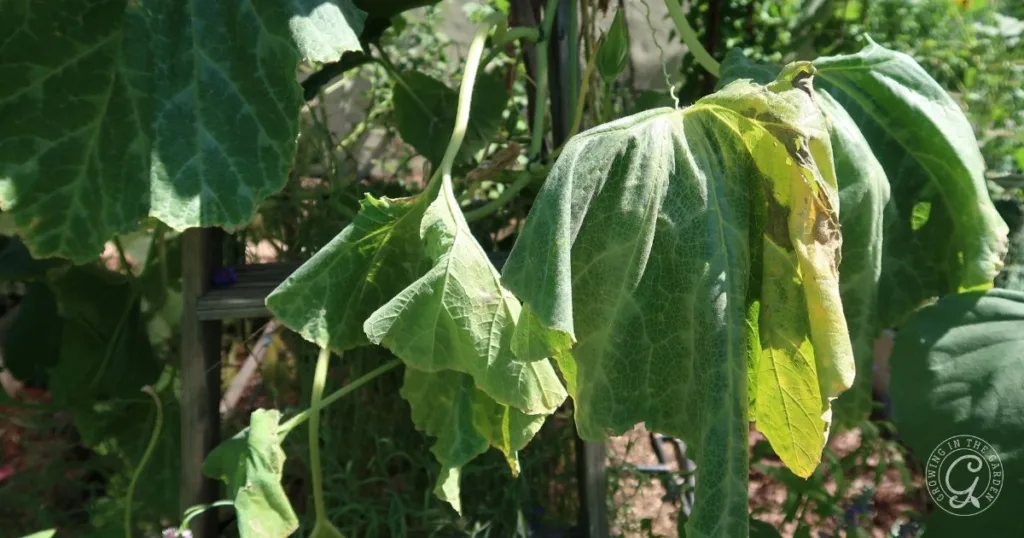
It can be alarming to walk into the garden and see your plants drooping in the heat. But before you grab the hose, take a moment to assess what’s really going on. In hot climates, especially during summer afternoons, wilting doesn’t always mean your plants are thirsty.
In this post, learn why wilting happens, how to know if your plant actually needs water, and how to avoid overwatering. Understanding the science behind plant stress in heat will help you water wisely and keep your garden thriving, even during extreme temperatures.
What We’ll Cover
- What causes plants to wilt in summer heat
- How to know if your plant needs water
- My summer routine in the low desert
- Signs of drought stress vs. heat stress
- Practical tips for watering in hot climates
- Understanding transpiration
- What if plants don’t recover?
- FAQ about wilting plants in hot weather
- More watering resources
Why Plants Wilt in the Heat
Wilting is a natural survival response to intense heat. When temperatures rise, plants lose water through a process called transpiration, where moisture moves from the roots to the leaves and evaporates into the air.
To slow this water loss, plants close their stomata, the tiny openings on the underside of leaves. As the stomata close, the plant stops losing water but also stops taking in carbon dioxide, which slows photosynthesis. The result? Leaves droop and wilt.
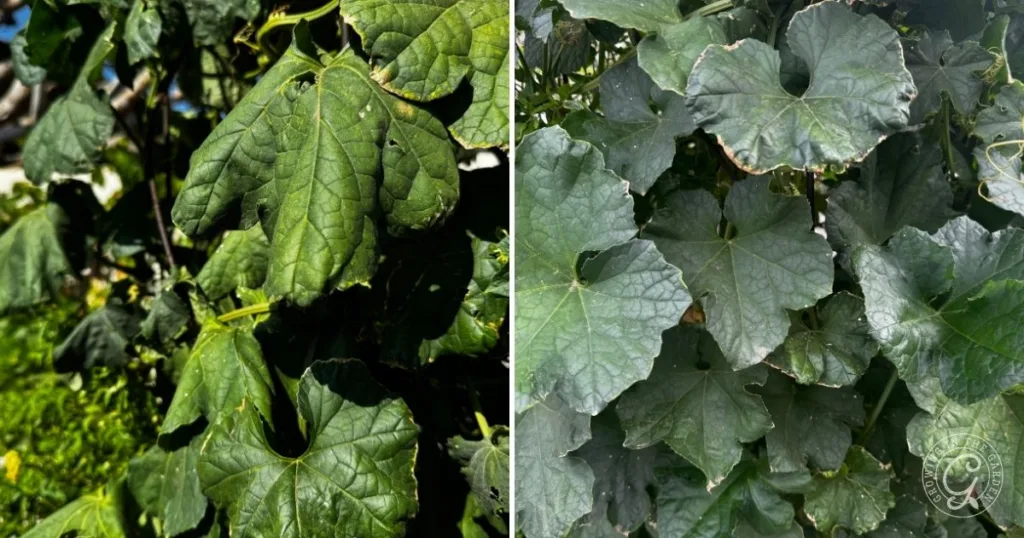
This midday wilting is often temporary and not a cause for alarm.
If the soil is moist and the plant perks back up by evening or the following morning, wilting was likely caused by heat stress, not a lack of water.
How to Tell If Your Plant Needs Water
Checking the soil is the best way to decide if your plants need water. Don’t rely on appearances alone.
- Stick your finger 2–3 inches into the soil: If it feels dry at that depth, it’s time to water. Use a water meter if desired. This is the one I use.
- Check in the morning or evening: Persistent wilting outside of the hottest part of the day could be a sign of drought stress.
- Avoid watering just because it’s hot: More water is not always better and can lead to root rot or fungus issues.

My Summer Routine in the Low Desert
In the hottest months here in the low desert, I’ve learned to expect a garden full of wilted plants around during the heat of the day. What used to be alarming is now just part of summer gardening.
I walk through the garden in the morning when it’s cooler, checking that each plant is well-watered and protected for the day ahead. Watching them bounce back in the evening is a reassuring reminder that they’re doing what they’re designed to do.

This habit has saved me from overwatering and helps me stay connected to the daily rhythm of the garden. Learn more in Summer Gardening in Arizona.
Drought Stress vs. Heat Stress: What’s the Difference?
Drought Stress
- Wilting in the morning or evening
- Leaves may appear dull, crispy, or curled
- Soil is dry several inches down
- The plant does not perk up at night
Heat Stress / Transpiration
- Wilting occurs midday only
- Leaves recover in the evening
- Soil remains moist
- No long-term damage if consistent watering continues
Best Watering Practices in Hot Weather
Water early in the morning
- Reduces evaporation
- Prepares plants for the heat
Water deeply and less frequently
- Encourages deep root growth
- Avoids shallow surface roots that dry out quickly
Use mulch
- Apply 2–4 inches of organic mulch to hold in moisture and protect roots
Use smart watering systems

- Raised beds: Install watering grids or drip lines
Best Way to Water Raised Bed Gardens - Containers: Try ollas for slow, deep watering
The Best Way to Water Outdoor Potted Plants
Understanding Transpiration and Stomata (A Closer Look)
- Transpiration helps cool plants and move nutrients from roots to leaves.
- In high heat, plants close their stomata to prevent excess moisture loss.
- Closed stomata slow growth and cause drooping, but help the plant survive.

Knowing this process can help you stay calm when you see wilted leaves in the afternoon. Don’t water unless the soil truly needs it.
What If Plants Don’t Recover?
Sometimes, during a heatwave, the stress is just too much. Even well-watered plants may wilt and never bounce back. This isn’t always a sign of underwatering; plants can also suffer from heat stress, especially during long stretches of extreme temperatures.

When the heat becomes intense, plants may:
- Drop blossoms or fruit
- Stop growing entirely
- Show scorched, sunburned leaves
- Permanently wilt despite moist soil
At this point, the damage may be too severe for the plant to recover fully. It’s frustrating, but it’s also a reality of gardening in hot climates.
What to do:
If the plant is truly done, don’t be afraid to remove it and try again when conditions improve. Many summer crops, like squash or beans, can be replanted in late summer for a second harvest window once temperatures start to drop slightly. Giving up on a stressed plant may be better than pouring in resources and water with little reward.

Want more help gardening through extreme heat? See my post: Surviving a Heatwave: Gardening in High Heat
Frequently Asked Questions
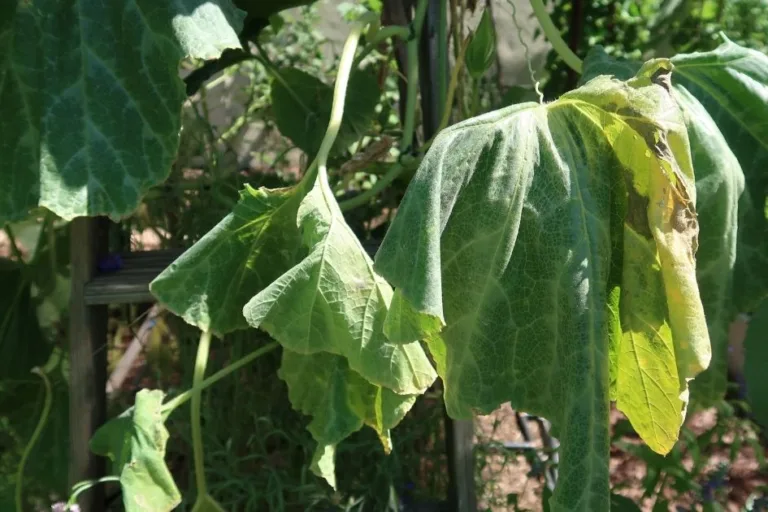
Why are my squash leaves wilting in the sun?
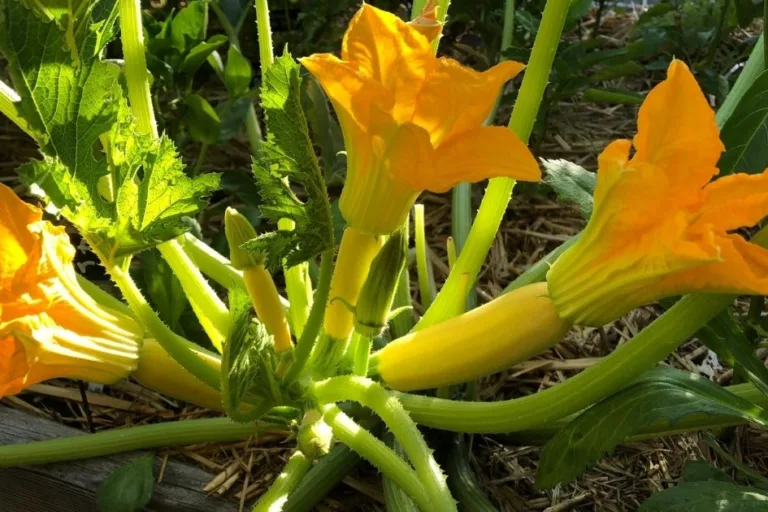
Squash and other large-leafed plants commonly wilt in the afternoon as a response to heat. Check if they recover by evening—if so, they don’t need more water.
Should I water more during a heatwave?
Only if the soil is dry, overwatering during a heatwave can damage roots and promote fungal disease. Learn more about heatwaves in this post: Surviving a Heatwave: Gardening in High Heat
How do I check if my plant needs water?
Stick your finger into the soil 2–3 inches. If it feels dry at that depth, it’s time to water. If it’s moist, wait. A water meter can be an effective tool. This is the one I use on Amazon.


Leave a comment on When to Water Plants in Hot Weather: What Wilting Means