
10 Ways to Help Your Garden Survive Summer
Summer is on its way, and if you garden in a hot climate, you know what that means—long, scorching days and rising anxiety about how your plants will handle the heat. As the temperatures climb, it’s easy to feel overwhelmed. However, with a few smart strategies, your garden cannot only survive but also thrive through the summer months.
In this post, I’m sharing 10 proven ways to help your garden survive summer’s intense heat. These tips are especially helpful if you garden in a hot, dry climate, such as Arizona, but most apply regardless of your gardening location. So pour yourself a cool drink, find a shady spot, and let’s walk through how to set your garden up for success, even when the forecast is sizzling.
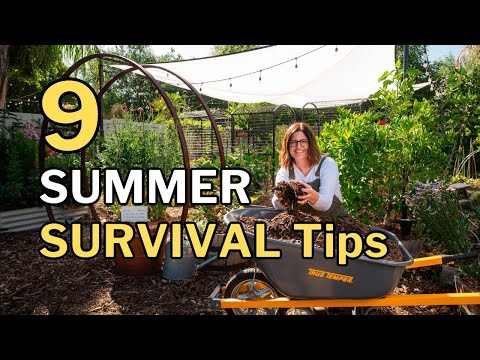
What we’ll cover:
- Planting at the right time – Why timing matters more than you think
- Choosing heat-tolerant plants – What grows well in hot summer weather
- Understanding microclimates – Make the most of shady, sheltered areas
- Watering wisely – How and when to water for the best results
- Using mulch effectively – Reduce evaporation and keep soil cool
- Providing summer shade – Options for shade cloth, structures, and more
- Protecting from summer wind – Why hot wind is more damaging than you think
- Dealing with dust storms – How to help plants recover
- Helping container plants cope – Tips for watering and placement
- Adjusting your expectations – Why “survival” is a win in summer
More Summer Gardening Resources
1. Plant your garden at the right time
If you only follow one tip from this list, make it this one. Use a planting guide made for your specific area and stick to it. When you plant at the right time, your garden gets a head start. Plants have time to establish strong roots before the extreme heat sets in. Well-established plants are more resilient and better able to handle heat and stress.
If you live in the low desert of Arizona, click here to see the planting guides I use. For other areas, this post can help you find a reliable guide: How to Find a Planting Guide for Your Area.
These planting resources for the low desert of Arizona are available in my shop.

2. Choose the right plants for your garden
Not all plants can handle high summer temperatures, especially during stretches of extreme heat. Look for varieties that are bred for your region or known to do well in hot climates. If disease is a concern, choose varieties labeled as resistant. If your growing season is short, opt for plants with lower “days to harvest.”
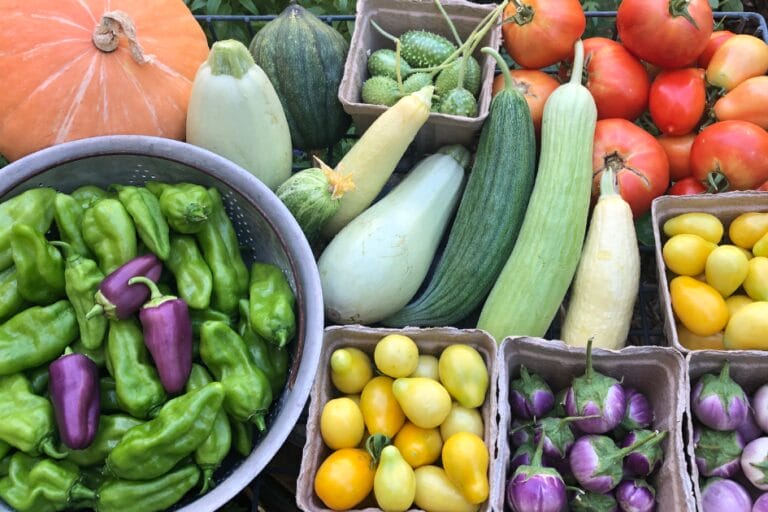
Some heat-loving plants to consider: sweet potatoes, okra, Malabar spinach, asparagus beans, roselle hibiscus, and basil. These thrive in hot temperatures and are excellent additions to a summer garden in a warm climate.

3. Be aware of microclimates in your yard
Every yard has areas that get more or less sun, wind, and heat. Observing your space and understanding how the light moves through it can make a big difference in summer. Look for spots that are protected from late-afternoon sun, and take note of areas that are consistently cooler or warmer.
Microclimates matter even more in summer. A few degrees of difference can determine whether a plant survives or struggles. Use these areas to your advantage, especially for more sensitive crops or containers.

4. Water your garden correctly to help it survive the summer
Watering is one of the most crucial things you can do to support your garden during the summer. Inconsistent watering leads to stressed plants, making them more susceptible to pests, diseases, and heat damage.
The best solution is to automate your watering. A simple system with a battery-powered timer and drip tubing can make a big difference. Water deeply and consistently to encourage the development of strong root systems.
Water early in the morning to give the soil time to absorb the moisture and reduce evaporation. Avoid watering during the heat of the day, when a significant portion of the water can be lost to evaporation before it reaches the plant roots.
I use the watering grids from Garden in Minutes in all of my raised beds. Use code Angela10 to save $10 off orders of $100 or more, or use ANGELA to save 7% on any size order.

For more detailed help, refer to How to Water Your Garden in a Hot Climate.
5. Mulch, mulch, mulch to help your garden survive summer
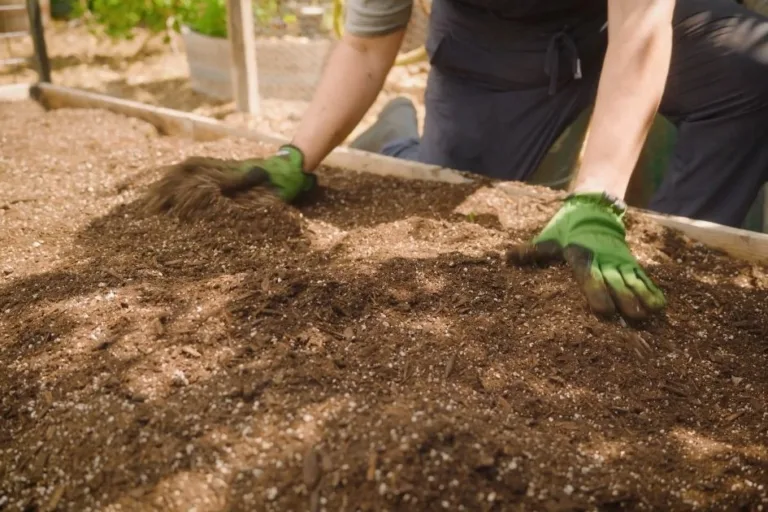
Mulch is one of the simplest and most effective ways to protect your garden from the summer heat. Add a layer of 3 to 5 inches of organic mulch such as compost, straw, pine needles, shredded leaves, newspaper, or cardboard. This keeps soil moisture in, reduces temperature swings, and protects plant roots.
Mulch also improves soil over time as it breaks down. It helps suppress weeds, which compete with your plants for water and nutrients. Learn more about how to mulch your garden here.

Note: Straw is usually a better choice than hay. Hay often contains seeds that sprout in the garden, while straw has fewer seeds and is less likely to become a problem.
6. Provide shade for your summer garden
When temperatures stay high for days or weeks, even heat-loving plants can suffer. Shade can make the difference between survival and sun-scorched plants. Providing shade is like giving your garden a protective layer to help it survive the hottest part of the day.
Temporary shade structures like shade cloth, umbrellas, or even old sheets can be very effective. Use hoops, T-posts, or PVC frames to support them. For longer-term solutions, consider planting vines, sunflowers, or even permanent trees for natural shade. Here is a link to the shade cloth I use.

For more help, read Why Add Shade to Your Garden in Summer and Which Vegetables Need Shade (and Which Thrive in Full Sun).
7. Keep an eye on the wind
Wind can be just as damaging as heat. Summer winds are often hot and dry, which can quickly dehydrate plants. Make sure young trees are staked securely and that trellises or shade structures are anchored well.
Wind increases moisture loss in plants, even if the temperature isn’t extreme. After a particularly windy day, water deeply to replenish the moisture lost through evaporation from the leaves.

8. Don’t let the dust settle
Dust storms are a common occurrence in many hot, dry climates. When a storm rolls through, plants can be left coated in fine dust that blocks sunlight and clogs the pores on their leaves.
If a dust storm isn’t followed by rain, gently rinse your plants with the hose to help them recover. This also gives you a chance to check for any damage caused by wind or flying debris.

9. Baby your containers to help them survive the summer
Container plants are especially vulnerable during summer. The soil in pots heats up faster than garden soil and dries out quickly. Because roots can’t reach down into cooler layers of soil, they rely on you completely for water and care.
- Check the container soil moisture daily, especially during heatwaves. A moisture meter can help prevent overwatering. I use this moisture meter from Amazon in my own garden.
- If you can, move containers to shadier parts of your yard. Grouping them together can help retain moisture and reduce stress on plants.
- One of my favorite tools for container gardening in the heat is an olla. I use ollas from Growoya in all my pots. They slowly release water right where the roots need it.

If you’re using containers in a hot climate, Elevated Garden Bed Tips for Hot Climates shares strategies to help your garden thrive when temperatures soar.
10. Adjust expectations
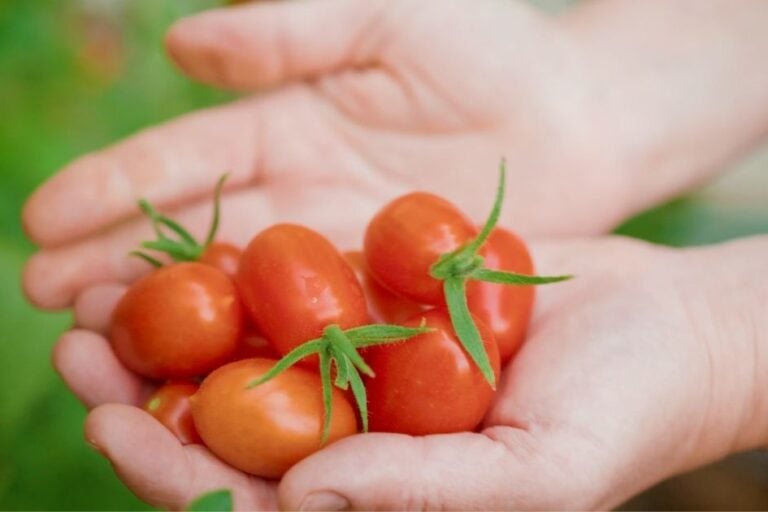
It’s normal for a summer garden in a hot climate to look a little tired. Even with all the right care, things slow down. Many plants stop producing fruit when temperatures are over 100°F. Tomato and pepper pollen, for example, isn’t viable at high temps.
This doesn’t mean you’re doing anything wrong. The goal in summer is often just to keep your plants alive until cooler temperatures return. Focus on maintenance, harvest what you can, and plan ahead for your fall garden.
When the weather finally starts to shift, your garden (and you) will breathe a sigh of relief.

More Summer Gardening Resources
Looking for more ways to help your garden thrive during the summer? These posts and videos are packed with ideas, plant suggestions, and practical tips for gardening in the heat:
- Vegetables That Love Hot Summers (and How to Grow Them)
- 10 Flowers That Love Hot Summers (and How to Grow Them)
- Summer Gardening in Arizona
- Hot Summer Rose Care: How to Help Roses Survive Extreme Heat
- Take the Summer Off: Plant Heat-Tolerant Cover Crops Instead
- How to Keep Chickens Cool in Hot Summers
- 10 Ways to Prepare Your Hot-Climate Garden for Summer
- Watch: Summer Gardening Playlist on YouTube
Find all my desert gardening resources in one place on the Desert Gardening page.
If this post about helping your garden survive summer was helpful, please share it with a fellow gardener.
Have more tips for summer gardening success? Leave a comment—I’d love to hear what works for you.
You’re welcome, thank you for commenting and for the kind words.
I learned a lot! Thank you. It’s June and I’m still growing brussels sprouts.
They look healthy but started late. Also have a eggplant that is blooming and has
one growing! I have an umbrella up on the west side of the garden. I’ll start giving
the garden more showers on dusty days coming. I’m going to be optimitic going into this
summer!
So glad it was helpful. Best of luck with your summer garden!
When I attended the Master Gardening Course 2 years ago we were told “moisture meters are not accurate”.