
Vegetable Gardening in Arizona (2025 Guide for Desert Gardeners)
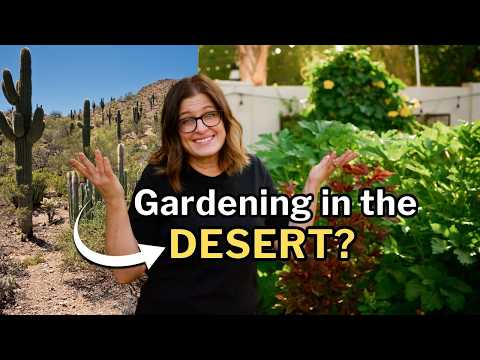
Vegetable gardening in Arizona can be challenging. Principles that work in other areas, timing guidelines on seed packets, and general zone requirements often don’t apply to gardening in the low desert of Arizona. But, with the right approach you can have a successful garden in the low desert of Arizona.
What We Will Cover:
- Benefits of Vegetable Gardening in Arizona
- Challenges of Vegetable Gardening in Arizona
- 7 Principles for Success
- Choose the best location for your garden
- Use the best type of soil to plant vegetables in Arizona
- Plant vegetables at the right time in Arizona
- Select the appropriate varieties of vegetables when gardening in Arizona
- Take advantage of microclimates in your yard
- Water your Arizona vegetable garden correctly
- Mulch garden each season (especially in the summer)
- Vegetable Gardening in Arizona FAQ
Growing a successful vegetable garden in Arizona is certainly possible. However, it is important to understand that Arizona has a unique climate for gardening with distinct benefits and challenges.
Some of the benefits of vegetable gardening in Arizona:
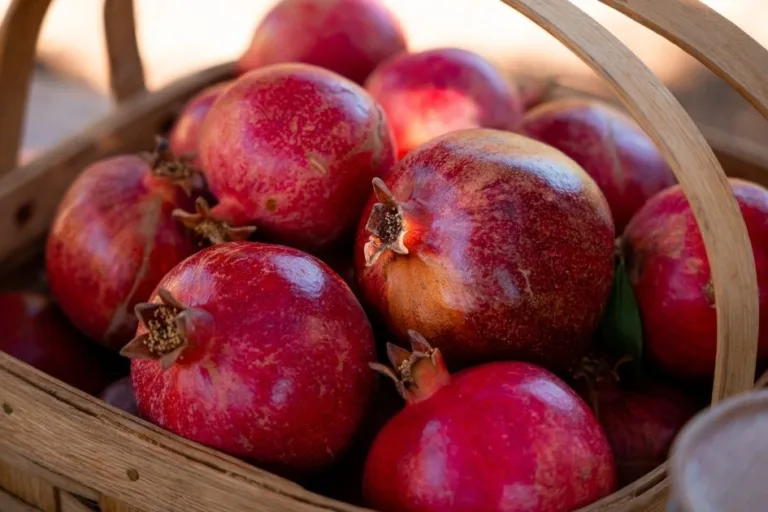
- Abundant citrus – only 2 other states (Florida and California) grow citrus commercially.
- Ability to garden outdoors year-round.
- Abundant sunshine – necessary for all living things.


A few of the challenges of vegetable gardening in Arizona:

- Extreme heat. A few vegetables (okra, Malabar spinach, Armenian cucumbers) tolerate the heat and continue producing. Some die, and others go dormant, only to take off again when the humidity sets in in late July or August.
- Low humidity. Many desert-adapted plants such as cactus, succulents, and plants with waxy leaves are adapted to less humidity. However, most vegetables and garden plants need more moisture in the air to grow well in the low desert of Arizona.
- Native clay soil is great for desert-adapted plants and contains many minerals. However, it is alkaline and low in organic matter. Most garden plants prefer slightly acidic soil and need the added nutrients of organic matter.
- Caliche causes several problems including poor drainage.

7 principles for successful vegetable gardening in Arizona
Growing a successful vegetable garden in Arizona is possible when you understand these 7 principles.
If you are just getting started with gardening, this beginner’s guide is a great place to begin. It pulls together my most helpful resources for new gardeners and walks you through the first steps toward a thriving garden.

1. Choose the best location for your garden
Vegetable gardens need at least 6 hours of sun to grow and thrive. We have an abundance of sun, but the type of sunlight we get varies.

- Morning sun is ideal for a vegetable garden; its rays are strong and cool. The harsh afternoon sun is harder on gardens in the summer.
- Take a look around your yard at sunrise and notice where morning light first hits your garden, and then if you can, plant there!
- If your garden area gets afternoon sun, you will probably need to provide some shade for certain plants during the summer.
- Check sun exposure using Sun Seeker app (or similar). This allows you to see the amount of sunlight each area receives.
- Not sure how much sun your veggies need? Check out this guide on Which Vegetables Need Shade (and Which Thrive in Full Sun) to help your garden thrive.
- There should also be a water source nearby or within a hose distance.

Adding raised beds to create your garden? This article shares 10 tips for designing raised bed gardens.
2. Use the best type of soil to plant vegetables in Arizona
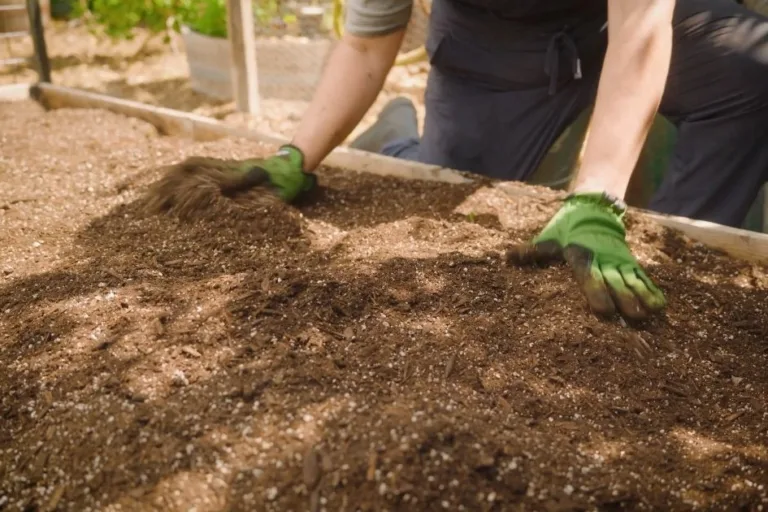
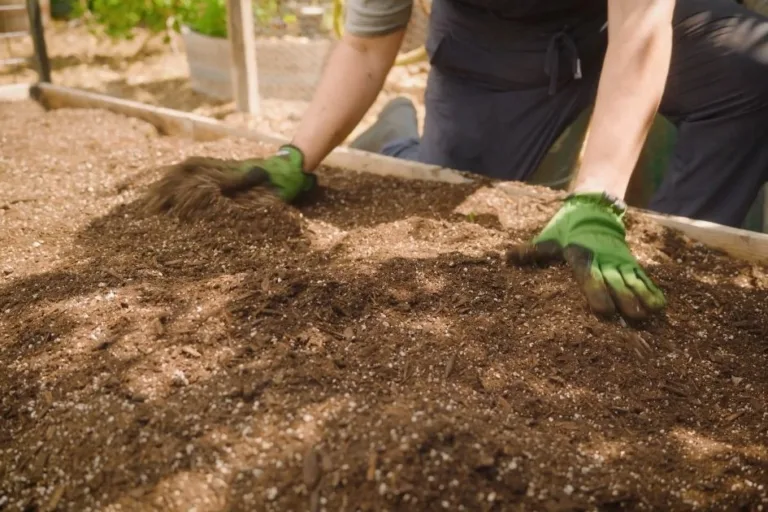
It is possible to grow vegetables in the native soil; however, most native soil is best adapted to growing native plants, not garden vegetables.
Because Arizona’s growing seasons are shorter, we ask a lot of the vegetables we grow – they need to sprout, grow, and produce during a short amount of time.
For the best chance of success, it’s important to give plants what they need to thrive in desert conditions. This blog post shares more information about the best soil for raised beds.
Continue adding compost and organic matter each season and the soil in your raised beds will improve each year. This blog post shares more information about how to compost.


3. Plant vegetables at the right time in Arizona
Gardening in Arizona is different, but not impossible. We have different seasons than most. Zone maps on the back of seed packets and other zone maps don’t usually work here. Instead of one long growing season, we have 3 shorter planting seasons:
- Cool-season crops grow from around September to March;
- Warm-season crops grow from about February through May; and
- Monsoon planting begins with the increased rain and humidity of July or August.
Use a research-based planting guide designed for the low desert to take the guesswork out of when to plant during each of these different seasons. Planting the right crop at the right time will increase the chance of success.

Perpetual Vegetable, Fruit & Herb Calendar shows you when to plant vegetables in the low desert of Arizona and whether to plant seeds or transplants. See it in my shop.
4. Select the appropriate varieties of vegetables when gardening in Arizona

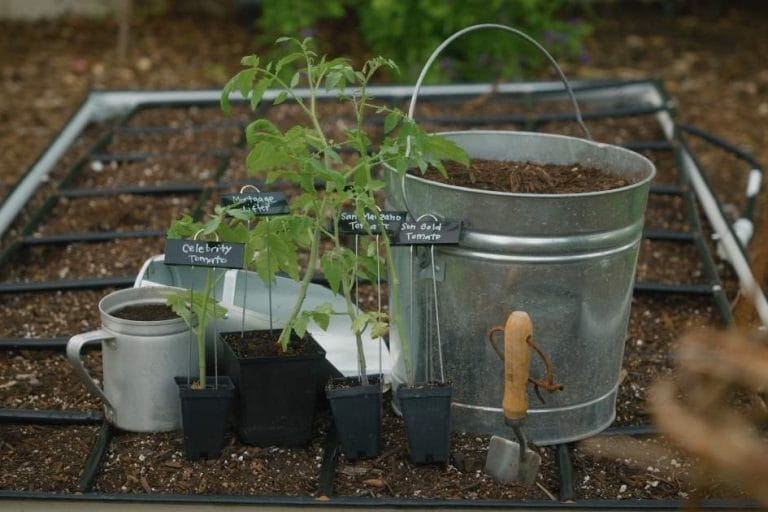
- Choose short-season crops. When you have a choice between two crops, and one has shorter “days to harvest,” go with the shorter one. The low desert of Arizona has several growing seasons, but the seasons are shorter, and crops have less time to produce. Smaller varieties of tomatoes and melons often outperform their larger counterparts.
- Choose plants adapted to our growing conditions in Arizona. Native Seeds Search offers arid-adapted seed varieties that tolerate the heat and drought of an Arizona summer better than varieties better suited to other regions. I grow Chimayo melons and Hopi yellow watermelons from Native Seeds Search each year.

Not sure what to plant or how to grow it? The Ultimate Plant Index covers everything from vegetables and herbs to flowers and fruits—organized A–Z for easy browsing. It’s your go-to resource when you’re planning your garden or seeking care tips.
5. Take advantage of microclimates in your yard
Some parts of the yard will be warmer or cooler than others. Use those areas to your advantage by growing plants whose requirements match up to the specific microclimate available.

Notice in your yard which areas receive the most sun and shade during different seasons of the year. Learn the sun requirements and heat tolerance of different plants. Consider adding shade parts of the garden that need it during the hottest times of the year. Take advantage of the shade provided by larger plants to interplant different crops.
Wondering if your garden really needs shade? In Why Add Shade to Your Garden in Summer, I share how shade protects plants, conserves water, and extends your growing season.

This blog post shares more information about how to add shade to your garden.
6. Water your Arizona vegetable garden correctly
Vegetables and fruits do not produce well if they are stressed. Problems in the garden can often be traced back to watering – not enough, too much, or inconsistent water. Plants become stressed and are more prone to diseases and insects.

General principles for watering your vegetable garden in Arizona include:
- Spend time in your garden each day. You will notice the watering needs of your plants and be alerted to issues with your watering system.
- Pay attention to the weather – Plants require more water when it is dry, windy, and in the summer heat. During the summer in hot areas like Arizona, raised-bed gardens often need watering every day. Other times of the year, the raised beds may only need to be watered 1-2 times per week. Adjust the frequency of the timer for seasonal conditions.
- Water deep enough to moisten the plant’s entire root system each time you water. Adjust the frequency of watering, not the duration of watering.
- Water in the morning. Wilted leaves at midday don’t necessarily mean a plant needs water; always test soil a couple of inches deep to see if soil is dry before giving droopy plants more water. They will probably recover once the sun goes down.
- Water the soil – not the leaves of plants. This saves water as well as prevents many plant diseases.
Want to learn more about watering? This article shares more information about the best way to water raised-bed gardens.
7. Mulch garden each season (especially in the summer)
Add a 3-inch layer of organic mulch on top of the soil around your vegetables. Mulching helps an Arizona vegetable garden in several ways:
- Mulching helps prevent weeds which can harbor pests and diseases, and compete for limited resources of nutrients, light, and water.
- A thick layer of mulch helps protect roots from extremes in temperatures.
- Mulching helps preserve moisture.

Read this article to learn more about how to mulch your garden.
Vegetable gardening in Arizona comes with unique challenges, but you don’t have to figure it out alone. My Desert Gardening page brings together all my Arizona vegetable gardening resources—from monthly planting schedules to tips for summer heat and winter frost protection—so you can grow a productive garden year-round.
Vegetable Gardening in Arizona FAQ
What vegetables grow best in Arizona’s low desert?
Vegetables that thrive in our climate include heat-tolerant crops like okra, melons, eggplant, and yardlong beans in the summer, and cool-season favorites like lettuce, carrots, broccoli, and peas in the fall and winter. Timing is everything.
When is the best time to plant vegetables in Arizona?
Arizona has two main planting seasons:
Fall and winter (October and November) for cool-season crops
Spring (February to April) for warm-season crops
Use a local planting guide to match your planting to the correct season.
How do you grow vegetables in Arizona’s extreme heat?
Plan around the heat. Plant at the right time, use shade cloth when needed, mulch well, and water deeply and consistently. It’s often best to plant a cover crop during the hottest months or focus on heat-adapted crops.
What are the best drought-tolerant vegetables for Arizona gardens?
Some good options include tepary beans, Armenian cucumbers, sweet potatoes, and black-eyed peas. These crops are adapted to hot, dry conditions and often require less water once established.
How often should I water a vegetable garden in Arizona?
Water deeply and infrequently. During hot weather, most gardens need water every one to three days, depending on the soil, mulch, and weather. Always check the soil before watering.
What is the best soil mix for growing vegetables in Arizona?
Use well-draining soil rich in compost and organic matter. Raised bed mixes with worm castings and compost work well. Native soil usually needs improvement before planting.
Do I need shade cloth for my Arizona vegetable garden?
Yes, especially in late spring and summer. Shade cloth can protect tender plants from intense sun and help reduce water loss. A 50 percent shade cloth is usually best.
Which vegetables can I plant during Arizona’s monsoon season?
Monsoon season is a good time to start crops like tomatoes, peppers, squash, and pumpkins. Warm temperatures and increased humidity help seeds sprout and grow quickly.
Can you grow vegetables year-round in Arizona?
Yes. With the right timing and plant selection, you can grow vegetables nearly every month of the year in the low desert. It’s one of the advantages of gardening here.
What are common mistakes when starting a vegetable garden in Arizona?
Planting at the wrong time
Overwatering or underwatering
Using poor soil or skipping adding organic matter like compost and worm castings.
Not using mulch
Ignoring sun exposure and microclimates
Giving up too quickly. Gardening here takes practice and patience.

Great post. Even though I am in Australia, our summer conditions seem very similar to yours. The Wheatbelt area of Western Australia has very hot summers, with strong Easterly winds with temperatures regular over 40C. In the Autumn and Winter we sometimes get rain, but not enough, although it still isn’t cold enough during the day to wear a coat most days. We get frost at night though which can cause problems for tender plants.
Can you let me know how I can follow you, other than bookmarking your site?
Jay
Thanks. I’ve often thought that our climates are similar just opposite times of the year! You can also subscribe to my monthly newsletter (I send out tips for the month and well as a summary of what I’ve added to the blog that month. Another option is to follow me on Facebook or Instagram. When I have a new post, I share it there as well. I hope that helps and thank you for following. Happy planting!
Trying to reach Angela with a garden program and need for advice. Pls conact me or provide your email address
Hi, you can send an email to hello@growinginthegarden.com
What percentage of shade cloth would be best for Arizona heat? I have a 4×4 raised garden bed i want to set up. I do want to get the shade up first before i plant.
Generally 40-50 percent is good for most vegetables. Here is a blog post with more detailed information: https://growinginthegarden.com/how-to-create-shade-in-the-garden/
Where do you buy your mulch?
Arizona Worm Farm
What mulch do you recommend for adding above soil in AZ? How often do I need to add Mulch? at what temp in AZ do you recommend watering every day?
I really like using compost or “composted mulch”. I add mulch usually twice a year after I plant and the plants have grown a bit. How much you water really depends on your soil. If your soil holds on to moisture, you may not need to. Water beds deeply each time you water and then water again when the top inch or two dries out. It seems like once temps are consistently over 100°F and nighttime temps are hot is when I have to water more. Hope that helps.
First paragraph is a typo: should read “low” desert. Just thought you would want to know.
Thank you!